
The EU is preparing limits on Chinese hybrids. Imports have risen from 3,800 to 50,000 vehicles.
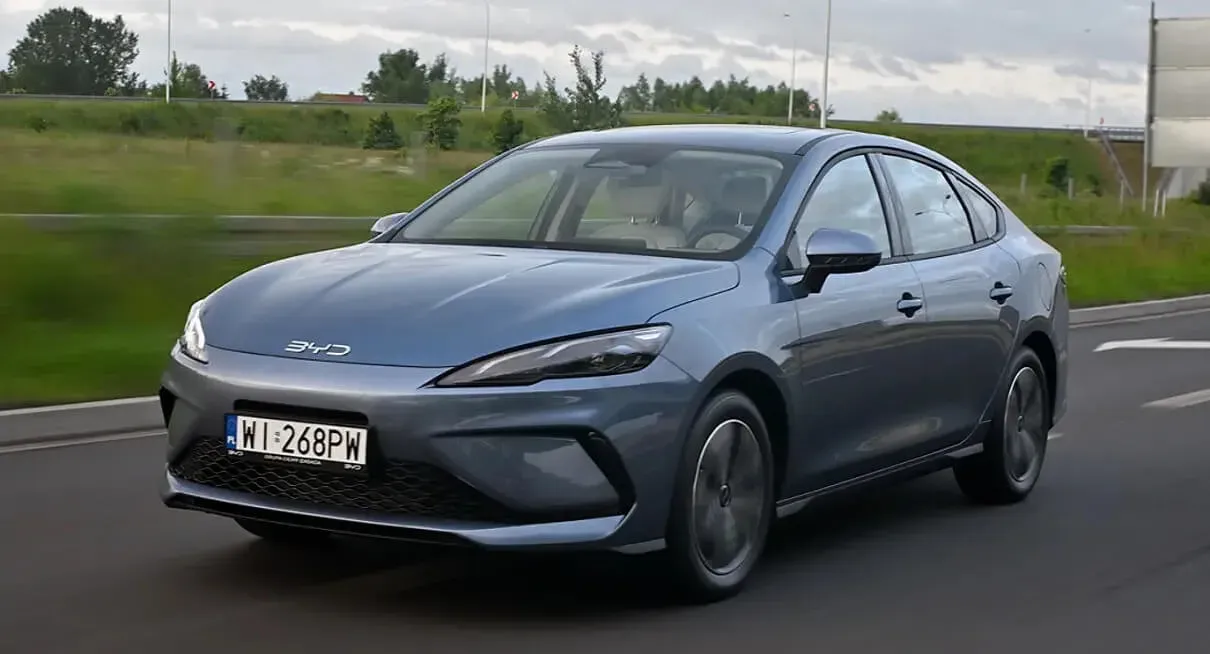
The European Commission is preparing possible restrictions on imports of hybrids produced in China in October 2026. Instead of imposing additional tariffs on each manufacturer, Brussels is considering quotas, after which an extra fee would apply.
The European Union imposed additional tariffs of up to 35.3% on Chinese electric vehicles in October 2024. Hybrids remained subject to the regular rate of 10%, so brands such as BYD and MG Motor quickly began taking advantage of this difference.
Chinese brands have found a way around electric vehicle tariffs
BYD focuses on plug-in models among the hybrids it offers in Europe. Its Seal U DM-i model saw 11,291 registrations in Germany from January to September 2026. MG Motor, on the other hand, also has conventional hybrids without the ability to charge from an outlet.
The scale of this phenomenon is larger. The number of hybrids imported from China rose from 3,800 vehicles in October 2024 to around 50,000 by July 2026. Tariffs thus limited the influx of electric vehicles, but not of cars that combine a combustion engine with an electric one. These latter still emit CO2 while in use, complicating the achievement of EU climate goals.
A few weeks ago, the EU tried to persuade China to voluntarily restrict exports of such vehicles. Beijing refused. China’s Ministry of Commerce stated that “so-called voluntary export restrictions seriously violate WTO rules and are contrary to market principles and fair competition.” According to CNEV Post, the ministry also rejects using them to resolve automotive trade disputes with the Union.
Bloomberg reports that the European Commission is considering a solution similar to one adopted by Canada against Chinese electric vehicles. A certain number of hybrids could enter the EU with a 10% tariff, while vehicles imported beyond the quota would face an additional tax. The exact amount of that tax has not yet been determined.
Brussels could use a safeguard measure applied when imports surge suddenly, causing or threatening serious harm to European manufacturers. Such a protection can be implemented faster than anti-subsidy tariffs on electric vehicles, which require lengthy investigations. However, there is a catch: safeguard measures usually apply to a product from all third countries, not just one specific country.
Talks in Beijing may still change the plan
EU Trade Commissioner Maroš Šefčovič is holding talks in Beijing on October 8 and 9 with Chinese Trade Minister Wang Wentao. According to “Handelsblatt,” the European delegation will once again attempt to negotiate restrictions on the export of hybrid and electric vehicles.
The agreement with Japan around 40 years ago could serve as a model. Japanese brands restricted exports at that time, while Toyota, Nissan, and Honda began building factories in Europe. Chinese companies are following a similar path: BYD plans to start mass production in Segedyn in 2026, Chery produces vehicles at Ebro in Barcelona, and Xpeng assembles electric cars at Magna Steyr’s facility in Graz.
So far, there are no decisions or set quotas. The Commission’s plan could end up as a new trade barrier or remain a tool for exerting pressure during negotiations with Beijing.
LovEV Newsletter
Want more content like this?
Sign up — we’ll send you a weekly summary once the newsletter starts.