
I tested Mazda's most important electric car, but something is missing.
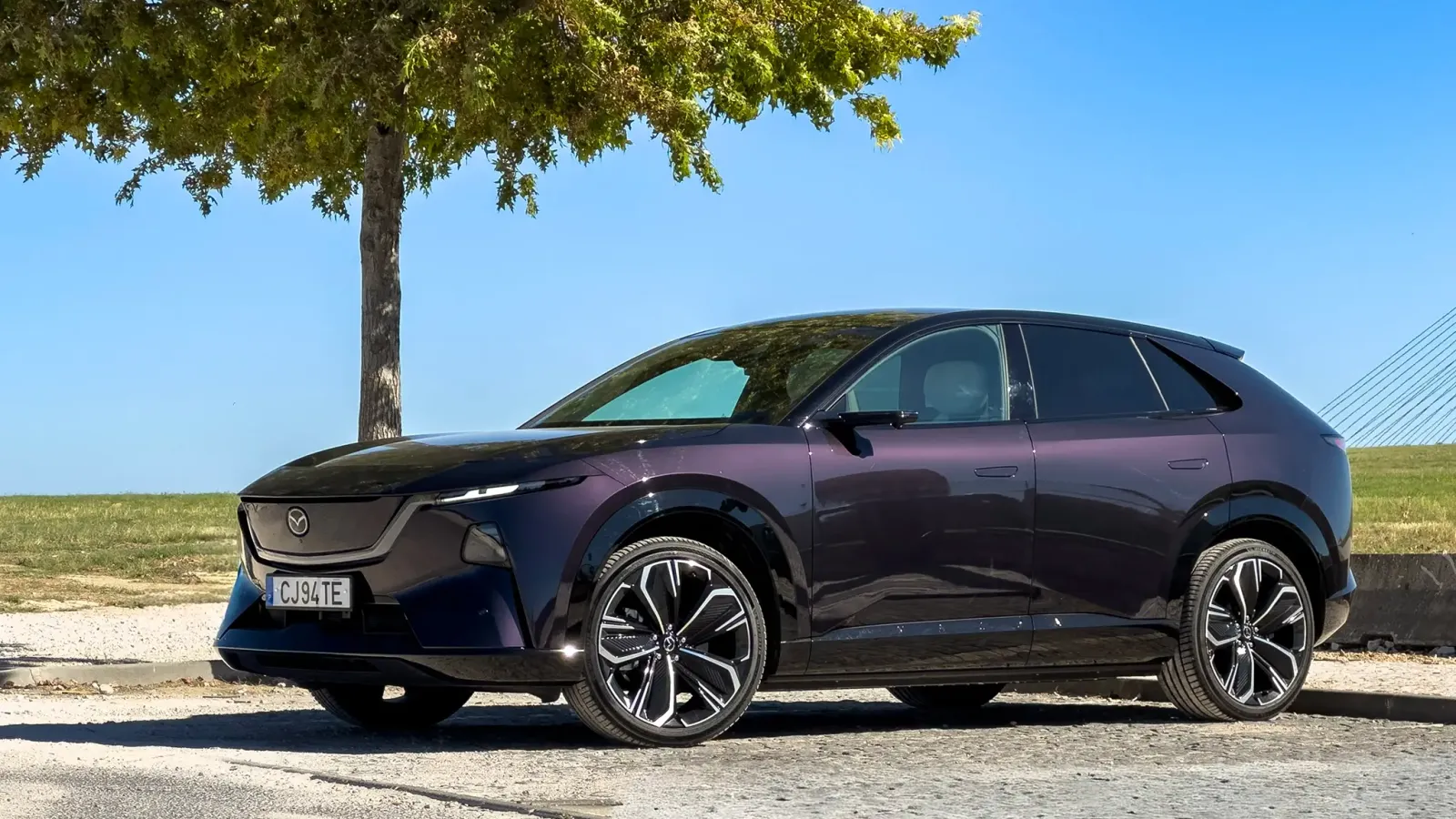
Mazda makes up for lost time in the electric vehicle space with help from Chinese firm Changan, but the CX-6e went even further in leaving China behind. Was it worth it?
Mazda CX-6e Takumi Plus
7.5/10
The Mazda CX-6e represents a clear evolution over the 6e sedan, but the question remains: is it good enough to be considered a solid Mazda?
Pros
Competitive price
Quality and build
Spacious back seat
Comfort and refinement
Equipped well
Cons
Lack of physical controls
Infotainment system
Difficult-to-access regenerative braking
Mazda entered the current electric vehicle race late. The MX-30 did debut in 2020, true, but its limited range and high price never allowed it to play a significant role. While almost the entire industry accelerated its shift toward electrification, this Hiroshima-based brand lacked a truly substantial response.
Now it is making up for lost time and has found in the Chinese company Changan a quick way to do so. The first result of this partnership for Europe was the Mazda 6e sedan.
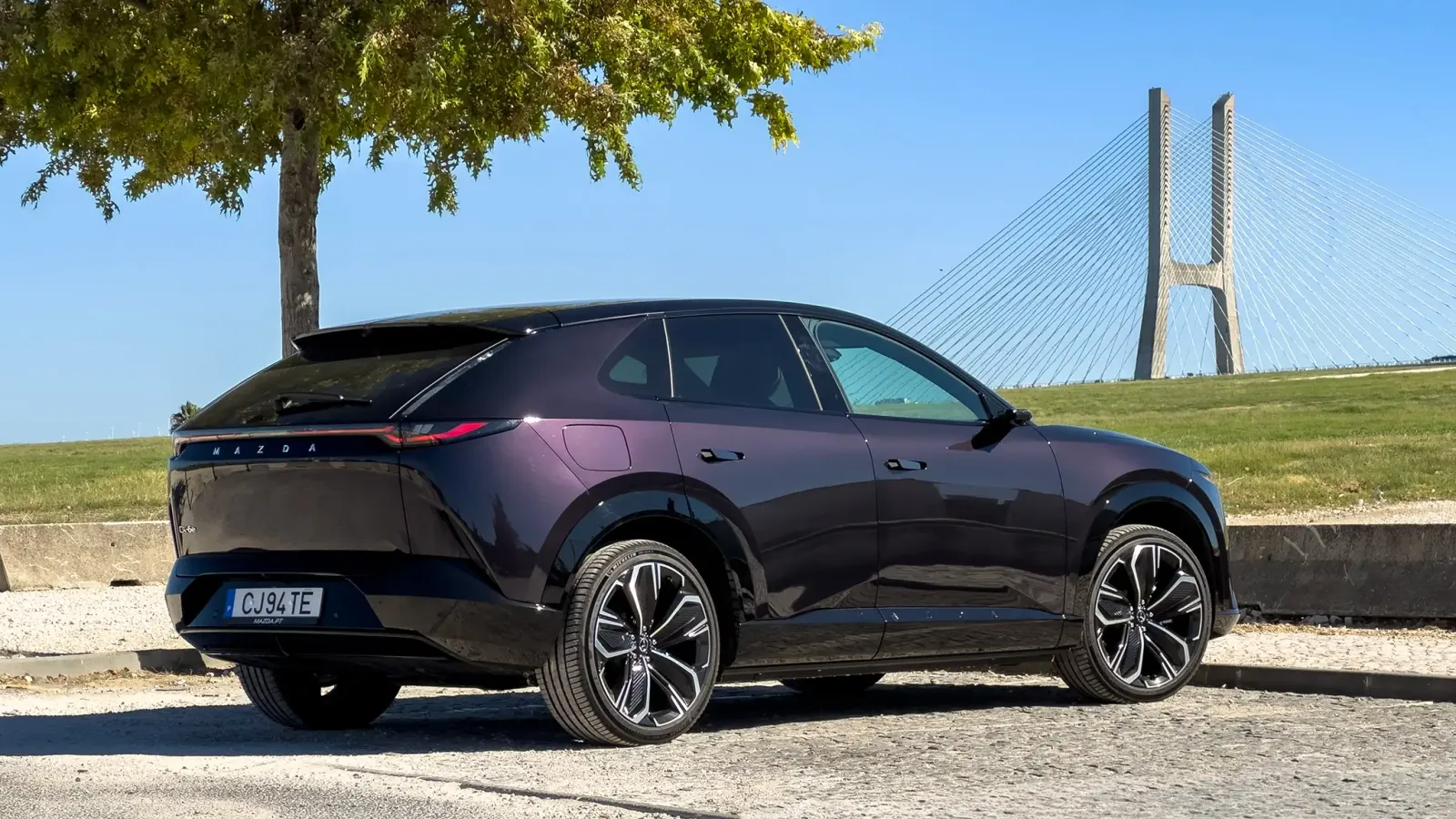
The CX-6e is the second model, adopting an SUV format and being produced again in Nanjing, China. Its closest relative is the Changan Deepal S07, which is also sold in Portugal.
But this time, Mazda claims to have done more to create a gap from the Chinese model. Its European R&D center worked on the suspension, steering, braking, throttle response, regenerative system, tires, and assist systems. Even the exterior design originated in its studio in Oberursel, Germany.
This information raises the question that has been on my mind throughout this test: how much of a true Mazda is there in this CX-6e?
That’s because when I think of a modern Mazda, there are certain expectations. A distinctive and appealing design — it’s no coincidence that Mazda is sometimes called the Japanese version of Alfa Romeo —, a high-quality and intuitive interior, and above all, excellent controls. The steering, throttle, and brakes should have the right weight and response, backed by a chassis that is among the best in its class.
Is it a high bar? Perhaps. But it’s the test the CX-6e must pass.
A good start when looking at it
If we start with the design, I have no major doubts: the CX-6e passes the test. More than that, it seems much more well-executed than the Mazda6e. It’s not every day I prefer the design of an SUV over that of a sedan.
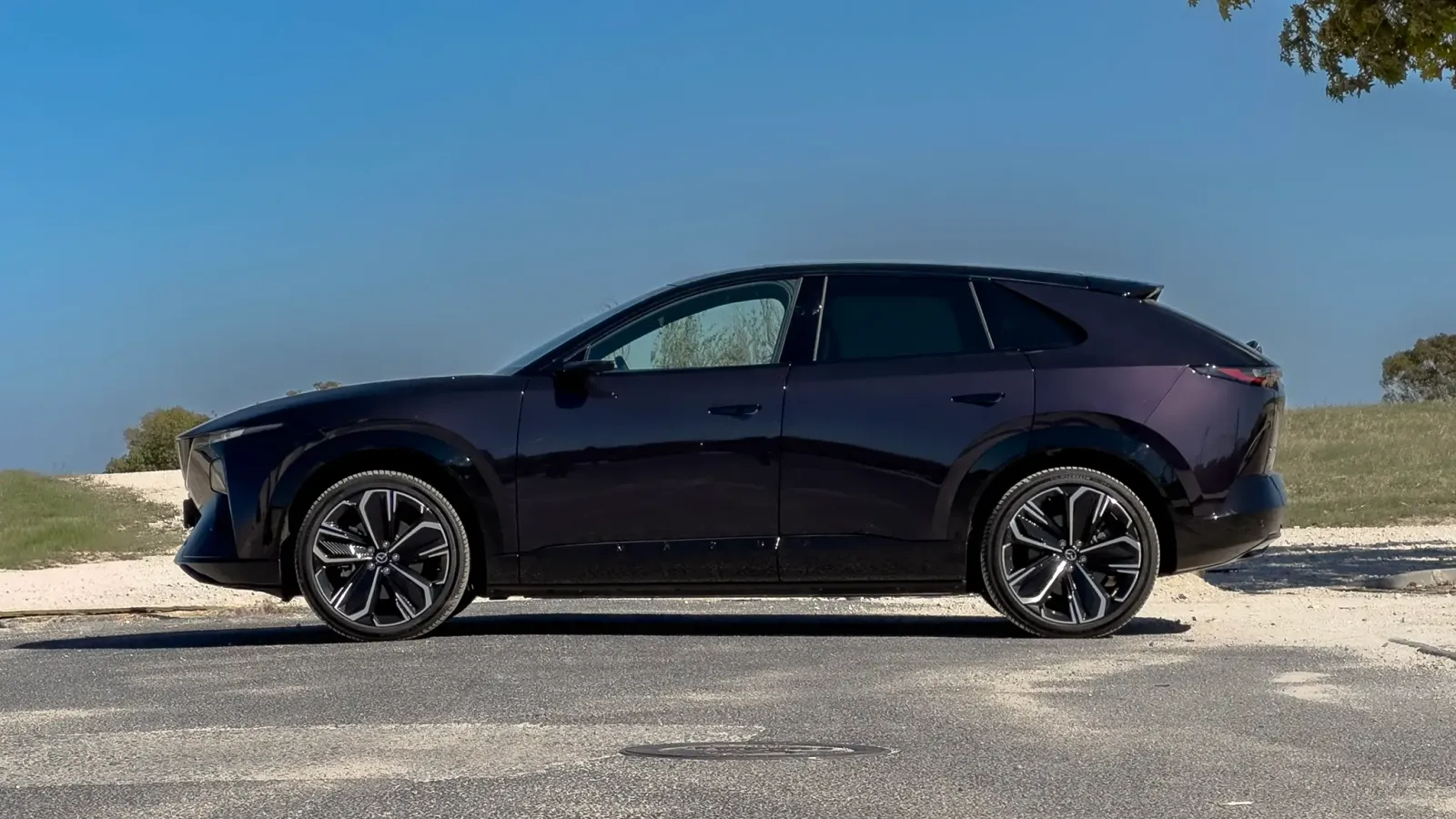
The proportions are handled very well. It reminds me of a CX-30 two sizes larger, but more sophisticated and athletic, especially with the 21” wheels on the unit tested.
It also features excellently integrated aerodynamic details that don’t disrupt the overall harmony, such as the front wing and the “floating” rear pillars. And in the Takumi Plus version I drove, it has cameras instead of conventional exterior mirrors.
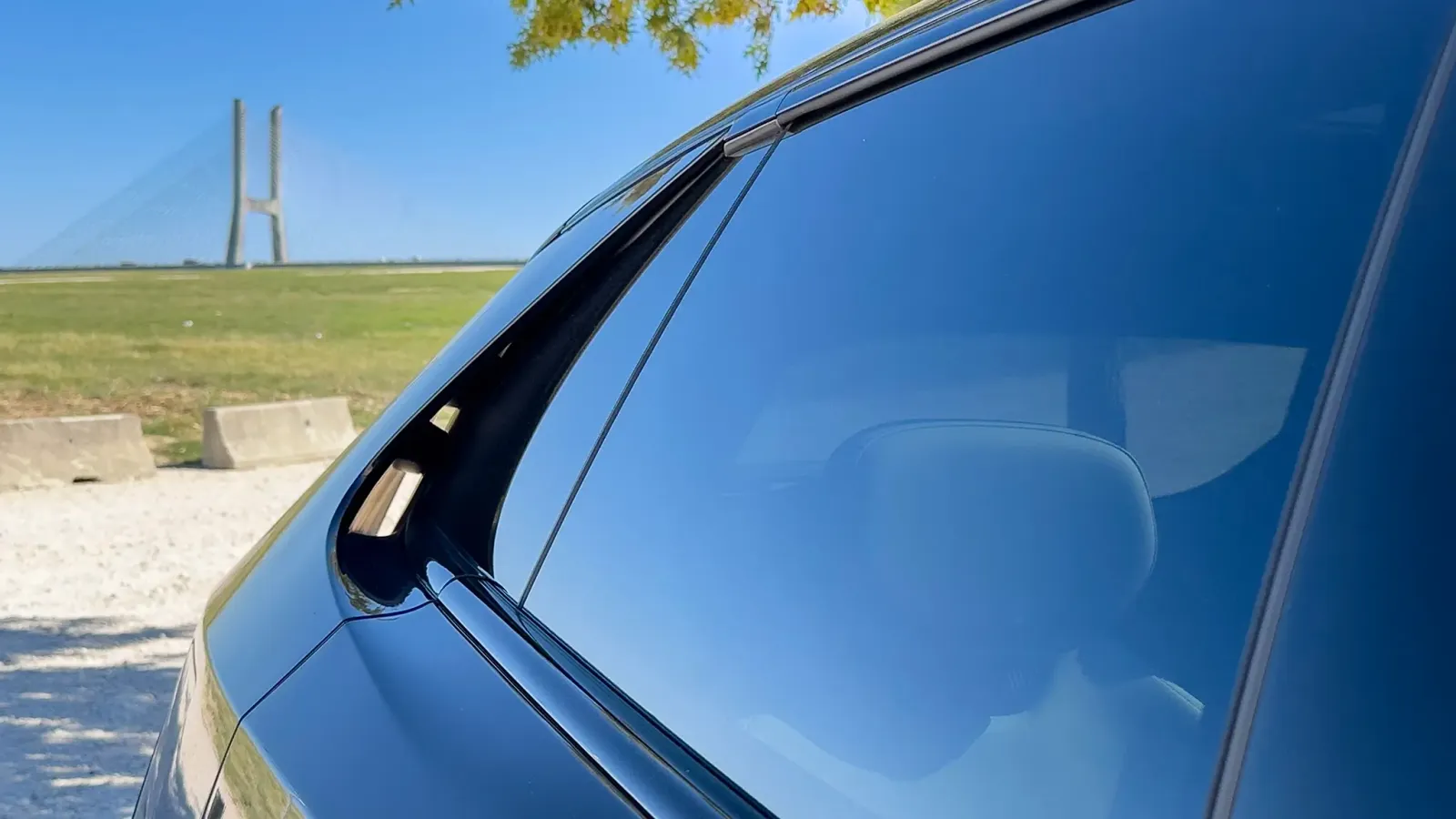
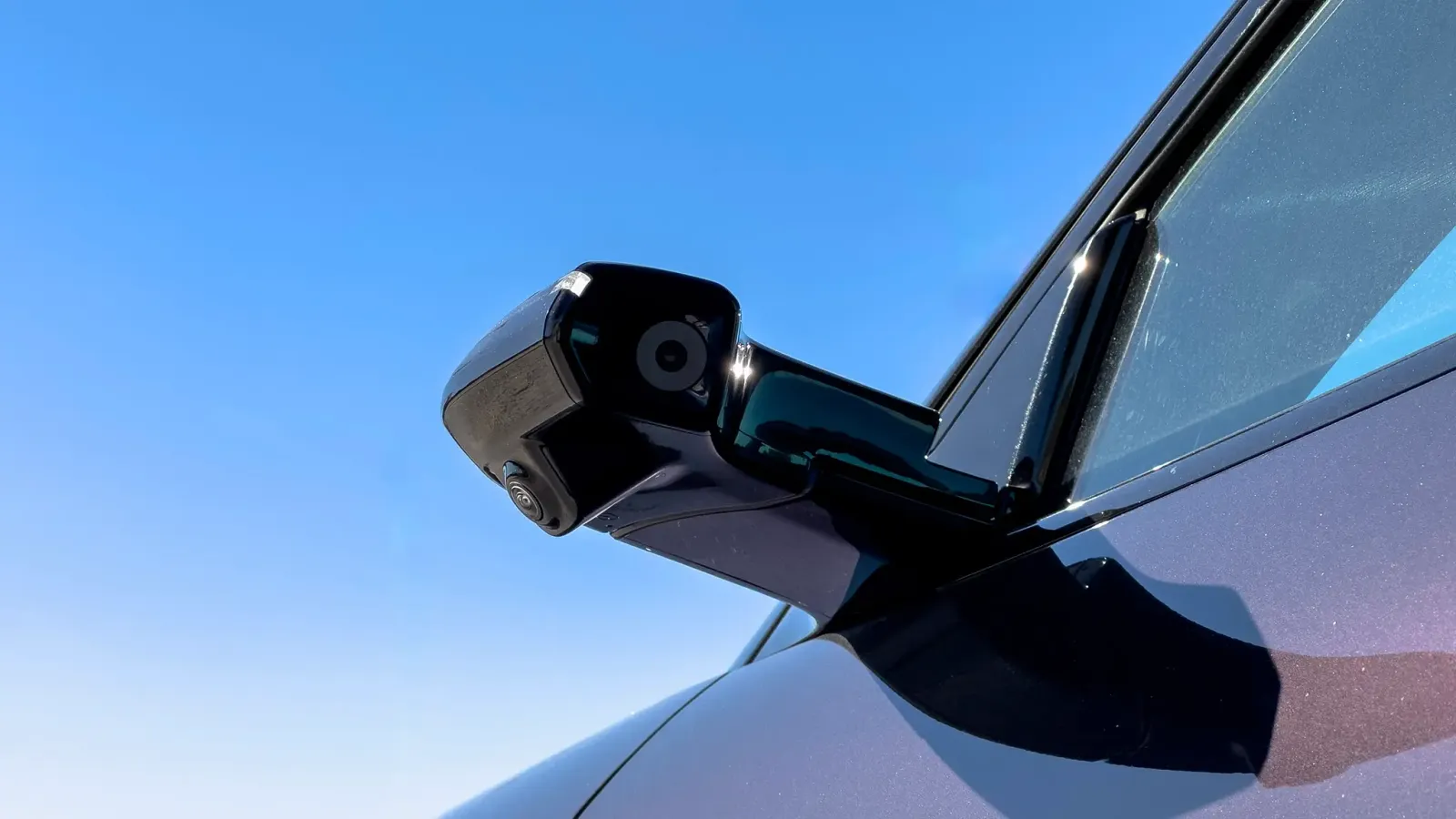
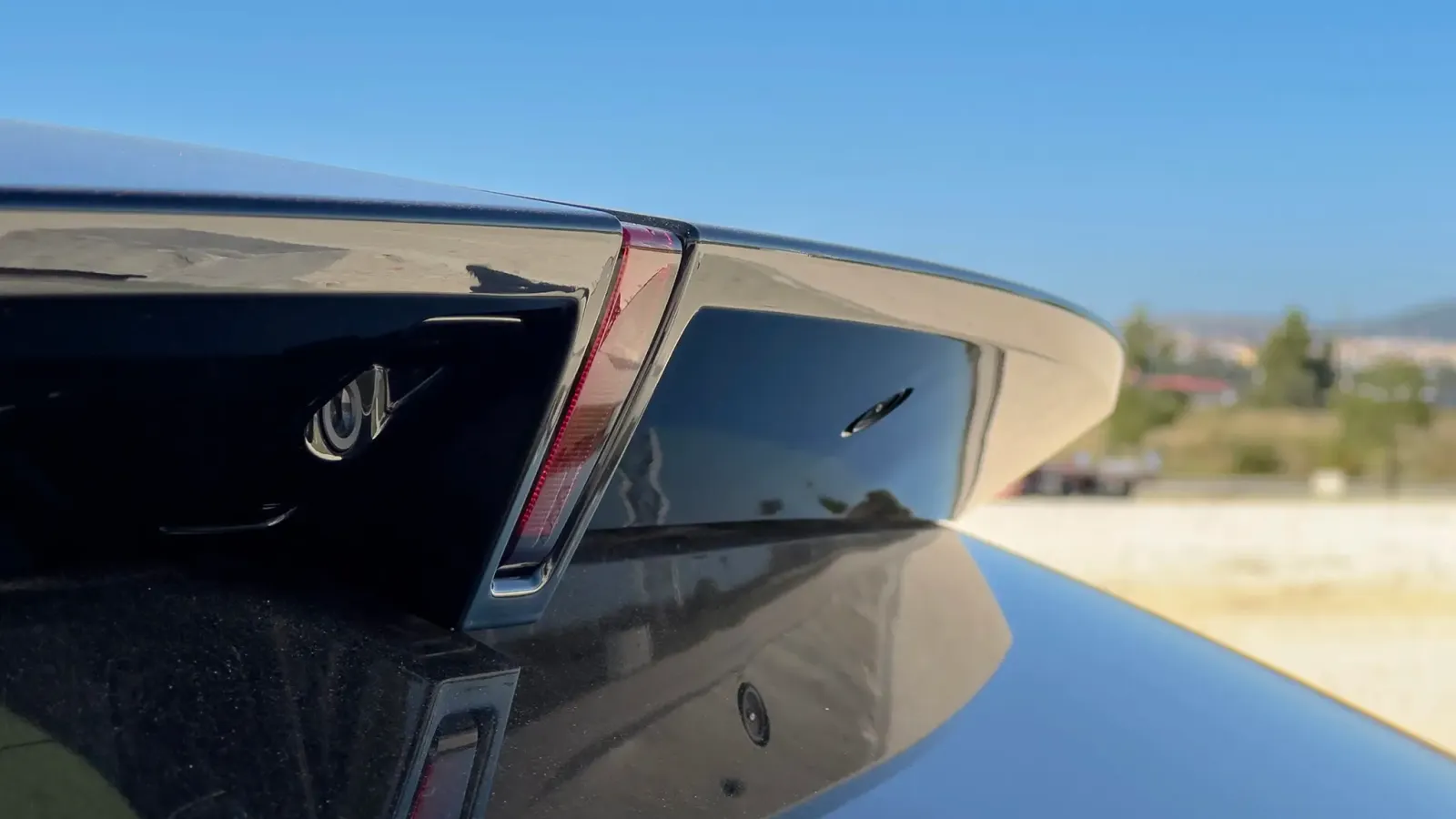
4 images
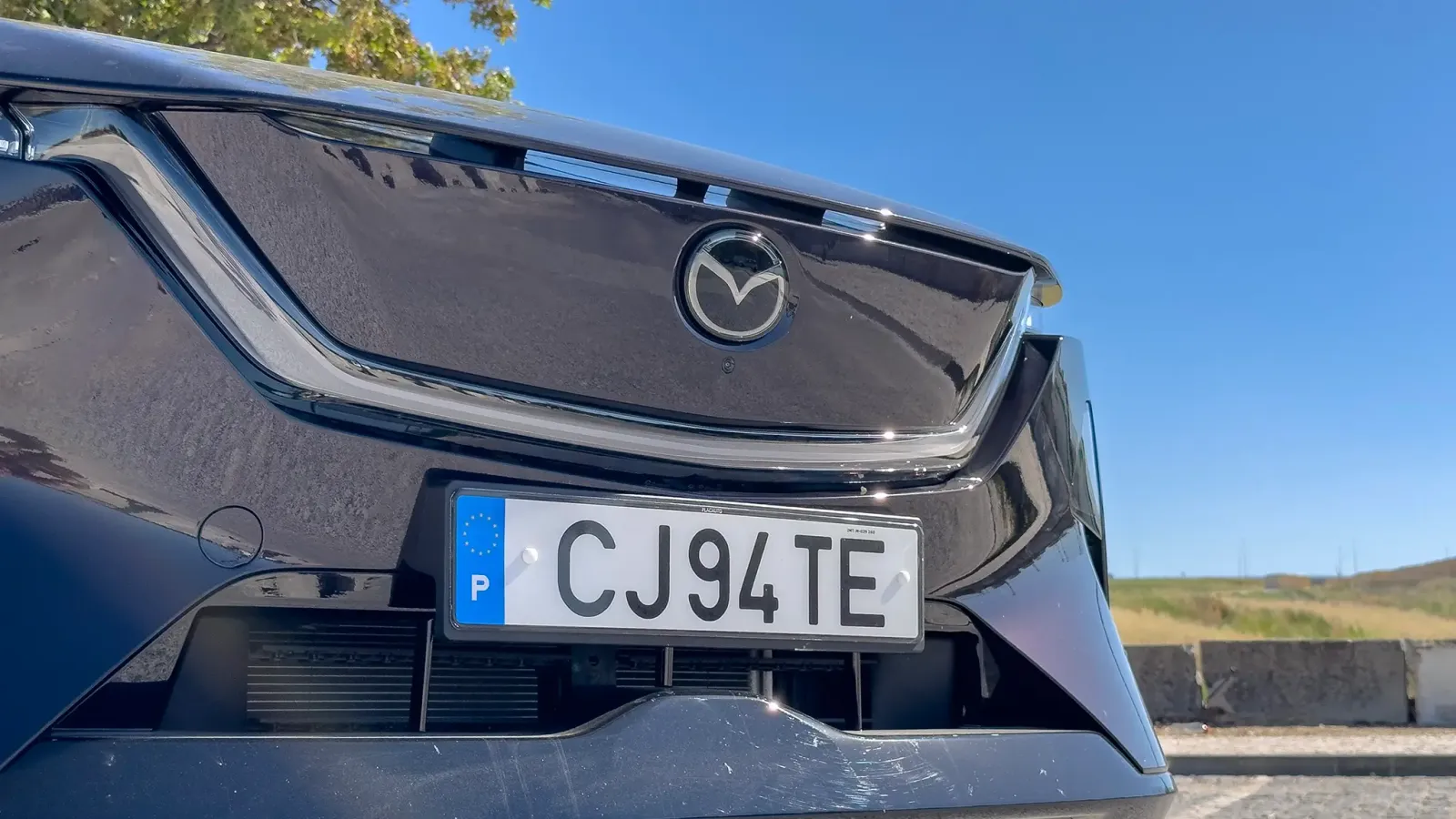
Most importantly, it achieved what was most crucial: it looks like a Mazda rather than a Deepal S07 with a different logo. Visually, the effort to create differentiation was successful and extremely well executed.
There are good and bad news inside
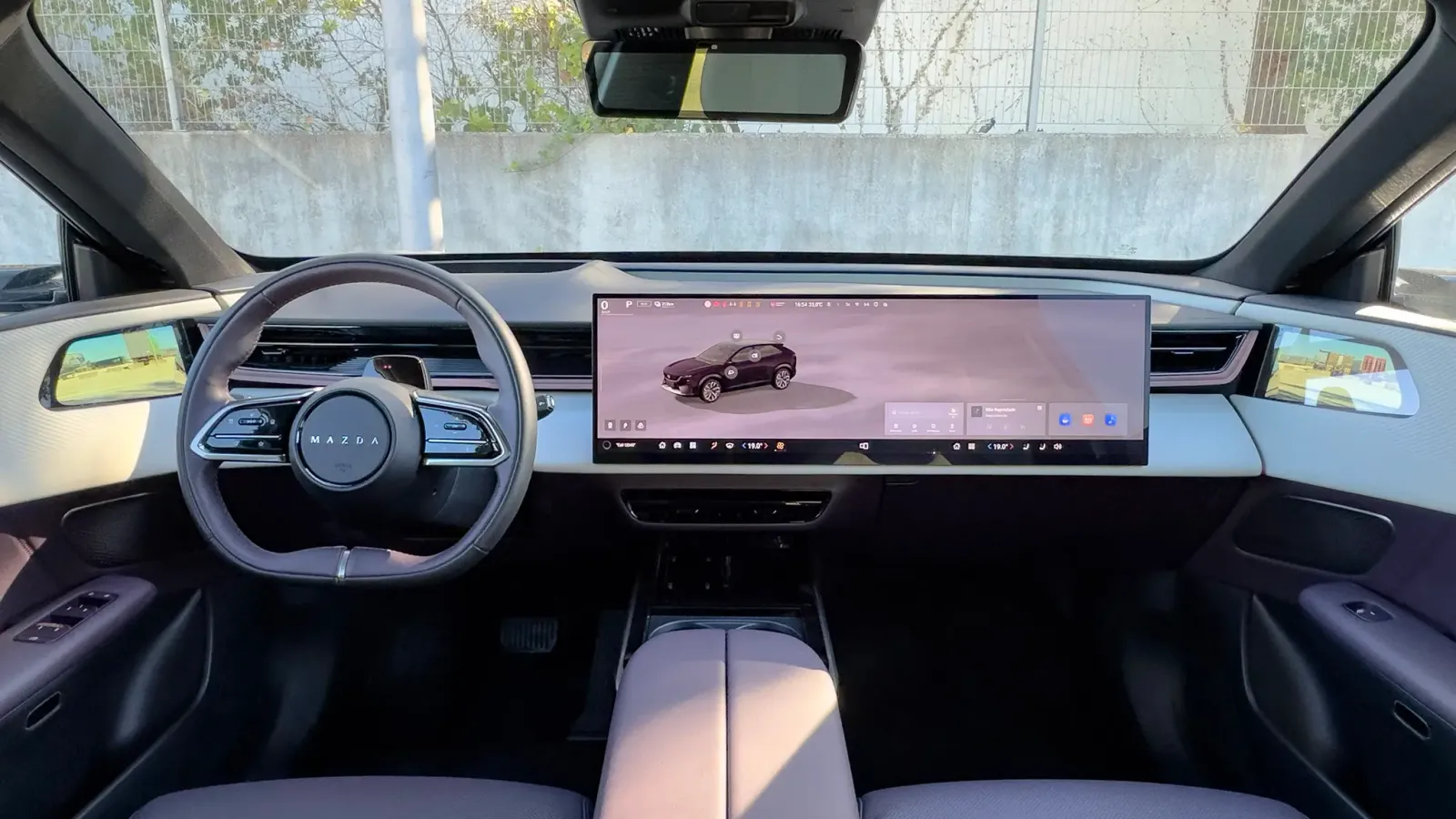
The exterior is convincing at first glance, but I can’t say the same for the interior. The main issue lies with the huge 26” screen that occupies about one-third of the dashboard and handles almost all functions.
There’s no traditional dashboard — but it does have a decent head-up display — and part of that huge screen is located in front of the passenger, where they can change music, adjust the climate control, and do a few other things. Very little for such a large usable area.
Physical buttons? They’re practically extinct. A few months ago, when I drove the new CX-5, I criticized Mazda’s decision to eliminate almost all physical controls and wrote that “ergonomics took a step backward.” With the CX-6e, I’d say it took two steps back.
The interface is fast and the menus are reasonably logical, but it forces us to interact too much with the screen. For example, to change the intensity of regenerative braking, we have to select the “Individual” driving mode on the screen and access its options. Opening or closing the curtain on the huge panoramic roof also requires using the screen.
4 images
There are two configurable buttons on the steering wheel, but they mostly just create shortcuts to those menus. The rest of the steering wheel controls are tactile surfaces that can be pressed unintentionally during maneuvers.
It might seem like excessive complaining, but Mazda has made ergonomics one of its strengths for years. Despite all the efforts to make the CX-6e more Mazda-like, it is inside where the project’s origins are most evident.
Fortunately, quality isn’t an issue—the trims are convincing, the construction seems very solid, and the exclusive color combination of the Takumi Plus version tested here makes this cabin particularly pleasant.
Space for those who don’t like a trunk
There’s also plenty of space inside: the CX-6e is quite large, bigger than the CX-60 with a combustion engine and also larger than the Tesla Model Y. There’s ample space at the back, especially for the legs. In this Takumi Plus version, two of the three rear seats are also heated and ventilated like the front seats. The middle seat is narrower and firmer, but the flat floor helps.
3 images
But while the rear passengers get more space, the trunk gets less. The official 363 liters (468 liters when measured to the roof) seems very limited. Its capacity is similar to that of Mazda’s first electric car, the MX-30, which is almost half a meter shorter and was also criticized for having a trunk capacity below average.
The lack of a trunk could be compensated for by some versatility, such as sliding rear seats, but the CX-6e doesn’t have them. The only consolation lies under the huge hood — there’s space to accommodate a combustion engine, as is the case in China — which hides a 80-liter compartment.
2 images
And does it drive like a Mazda?
The interior is where the CX-6e’s Chinese origins are most evident, but behind the wheel, I’m relieved to say that Mazda did a much better job of setting it apart from the Deepal S07.
In various Chinese models I’ve driven, I usually find light and loose steering, along with suspensions tuned for comfort but lacking effective control over body movement. In the Mazda CX-6e, it’s clear that someone worked on the chassis.
The responses offer greater precision and control, and the vehicle tries to conceal its weight of over 2200 kg while in motion. It doesn’t always succeed, but it manages to do so without relying on adaptive or pneumatic suspension.
It still falls short of what I expect from a Mazda. Returning to the CX-5, which was criticized for losing some dynamic sharpness in favor of more comfort, I hope the CX-6e can achieve the same balance. The steering could be heavier and the suspension tuning a bit firmer. The potential is there, especially since it’s a rear-wheel-drive vehicle.
It is the only option available in Portugal: a rear-mounted engine with 190 kW (258 hp) and 290 Nm of torque, powered by a 78 kWh LFP battery. These figures are far from impressive, as is the 0-100 km/h time of 8.1 seconds, but I never felt a lack of power. The response is gradual and easy to control, fitting the car’s character, which is more road-oriented than corner-focused.
It is especially on the road where the Mazda CX-6e impresses the most. It is quiet, stable, and quite refined. The suspension provides good comfort, though it surprisingly feels a bit harsh on potholes or drainage covers. I suspect the 21-inch wheels play some role in this.
That said, given this SUV’s athletic appearance, I expected a bit more in terms of dynamics and performance.
Is it expensive to run?
Mazda claims up to 468 km of range for the CX-6e Takumi Plus, with this figure rising to 484 km in the Takumi version equipped with 19″ wheels. These numbers are not particularly impressive compared to competitors.
This is also due to merely average efficiency. The official fuel consumption is 19.4 kWh/100 km under the WLTP cycle. Although our test resulted in an average of 20.5 kWh/100 km due to some exaggerations, overall consumption remained mainly between 18 kWh/100 km and 20 kWh/100 km.
Discover your next car
Adequate price and plenty of features
The Mazda CX-6e arrives in Portugal starting at a competitive 44,988 euros for the Takumi version. There is currently a promotion (valid until the end of 2026) that reduces the price of the base CX-6e version to 41,543 euros. The Takumi Plus variant tested costs 47,988 euros.
Add the digital mirrors, 21-inch wheels, heated and ventilated rear seats, along with the Amethist and White Maztex interior. It’s a step up that isn’t worth it. The Takumi version is already very well equipped, and we can manage without digital mirrors (I never really got used to them) and larger wheels, but I admit it’s a shame to lose the interior color combination. With the Takumi version, I can only choose between a dark or light interior.
When looking at competitors, the most interesting comparison is with the Changan Deepal S07, which serves as its base model. It currently costs 44,997 euros, practically the same price without any promotions. However, it has less power (160 kW or 218 hp) and a slightly lower range (475 km).
The “elephant in the room”? The Tesla Model Y. Objectively, it outperforms the CX-6e in efficiency, range, space, software, and price—starting at 40,990 euros. It falls short in terms of subjective appearance and standard equipment offerings, but technologically, it’s hard to argue against this American model.
The biggest problem with the new Mazda CX-6e seems to be its inability to stand out in any particular way in a segment flooded with options. It relies on competitive pricing, ample standard equipment, excellent quality inside, and above all, a design that has been well received and easily distinguishes it from other electric SUVs.
Verdict
Mazda CX-6e Takumi Plus
7.5/10
It’s Mazda’s most convincing electric vehicle to date, but the CX-6e lacks solid arguments to be anything more than a niche alternative in this segment. Mazda deserves praise for its efforts to distinguish the CX-6e from its Chinese-based model, and it’s been very successful in many aspects. In other areas, especially ergonomics, there’s still work to be done. It isn’t the electric Mazda I was expecting, but it’s much closer.
Pros
Competitive price
Quality and build
Spacious back seat
Comfort and refinement
Equipped features
Cons
Lack of physical controls
Infotainment system
Difficult-to-access regenerative braking
Technical specifications
Base version: 47,988€
EURO NCAP rating:
5/5
48.888€
Price per tested unit
Architecture: 1 electric motor
Position: rear transverse
Charging: LFP lithium-ion battery with 78 kWh (total)
Power:
190 kW (258 hp)
Torque:
290 Nm
Drive type: Rear-wheel drive
Transmission: Automatic, fixed ratio
Length: 4850 mm
Width: 1935 mm
Height: 1620 mm
Wheelbase: 2902 mm
Trunk capacity: 363-1434 liters; Front trunk: 80 liters.
Wheels/Tires: 255/40 R21
Weight: 2205 kg
Average fuel consumption: 19.5 kWh/100 km; Range: 468 km
Top speed: 185 km/h
0-100 km/h acceleration: >8.1s
Features:
21” lightweight alloy wheels
Sitting surfaces in Two-tone Amethys and white Maztex
Driver’s seat with 8-way electric adjustment and passenger seat with 4-way adjustment.
Heated and ventilated front and rear seats
Heat pump
Digital mirrors: Automatically foldable, brightness adjustment
Tinted panoramic roof and sunroof
Tinted rear windows
Heated steering wheel
Automatic air conditioning
Smart digital mirror
Front grille with signature lighting
Cruise control
Emergency Lane Keeping (ELK) with Blind Spot Assist
Cruising & Traffic Support (CTS)
360 View monitor
Blind Spot Monitoring (BSM) including Blind Spot Prevention (BSP)
Forward Collision Warning (FCW)
Lane Departure Warning System (LDWS)
Lane Keeping Assist System (LAS)
Mazda Radar Cruise Control (MRCC) with Stop & Go function
Rear Cross Traffic Alert (RCTA)
Secondary Collision Reduction (SCR)
Speed Limit Assistant
Traffic Sign Recognition System (TSR)
ISOFIX: front passenger seat and two in the rear seats
Android Auto / Apple Carplay (Wireless)
Wireless mobile charger (Qi)
Gesture control
Over-the-Air – Remote software update
26″ TFT dashboard
Rear touchscreen display
50″ Head Up Display
Voice recognition
Audio system (AM/FM/DAB) with 23 speakers and USB-C
Multi-tone Nightfall Violet-Black color: 900 €