
Tesla Model Y LR AWD and Model 3 LR AWD with new front engines. More power and better acceleration even without Acceleration Boost

Along with the change in light-colored upholstery and the modernization of displays in Tesla Model 3s (screen + interior) and Tesla Model Ys (interior), AWD vehicles have been equipped with new engines in the front axle. These engines are designated as TL2; they remain induction-type and use the existing cooling system, but they offer higher torque and more power, resulting in better acceleration for the vehicles. The cars now achieve times that previously required the purchase of the Acceleration Boost feature.
New Engines in Tesla Model Y and Model 3
The new TL2 engine in Teslas delivers 176 kW/239 HP compared to the previous 137 kW/186 HP (+28.5%), with a slightly higher torque of 238 Nm instead of the previous 219 Nm (+8.7%; source). The modest increase in torque alongside a significant boost in power suggests that either the engine spins faster or its performance at the end of the torque curve has been improved, which in turn affects acceleration.
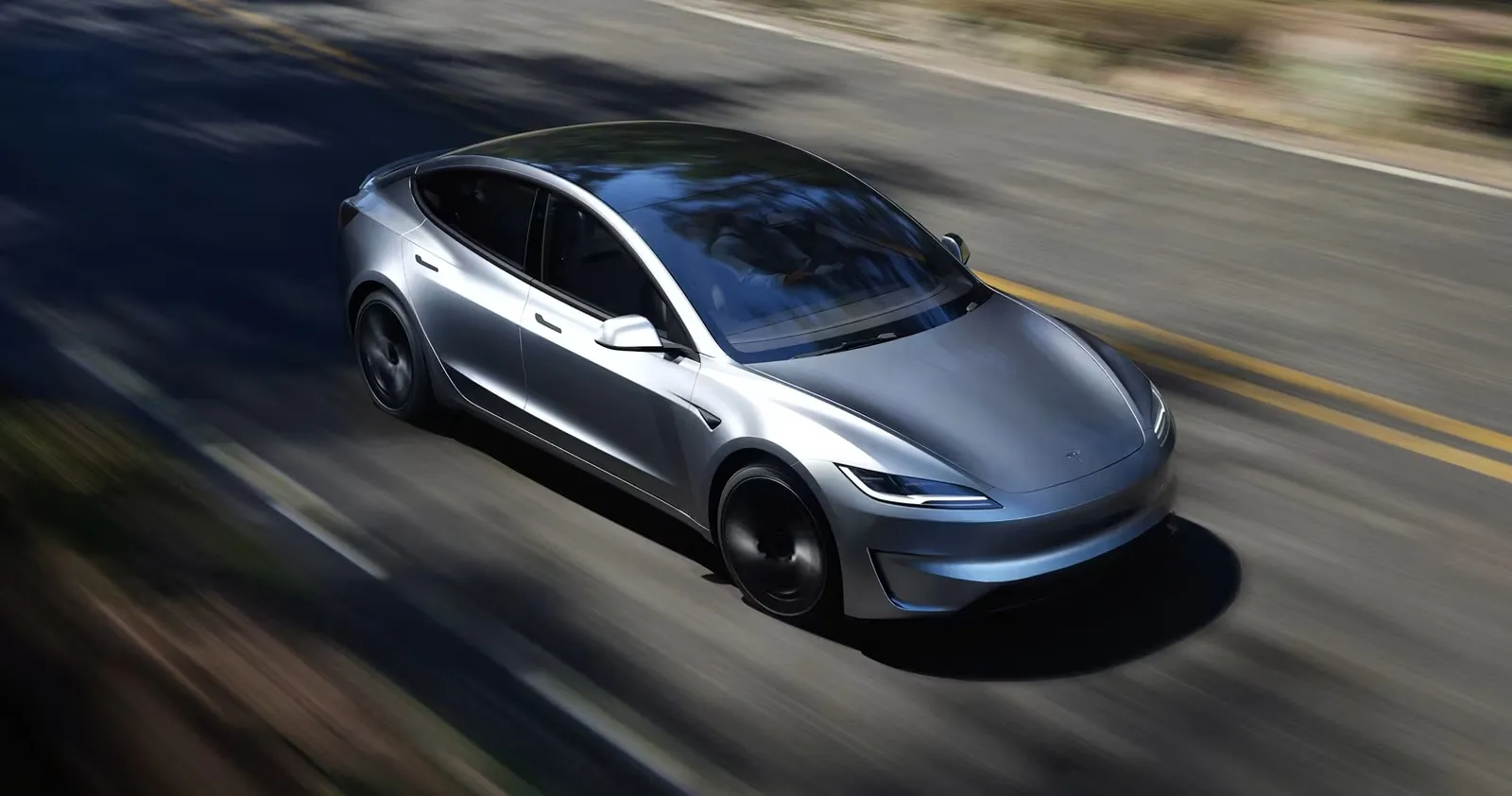
The 0-100 km/h acceleration time for the Tesla Model Y Premium Long Range AWD is now 4.6 seconds instead of 5. This is an official figure, as unofficial tests showed that the facelifted Model Y /Juniper/ could reach 100 km/h in just 4.6 seconds even without Acceleration Boost (source: last two columns in the table). The Tesla Model 3 LR AWD is also faster, with a 0-100 km/h acceleration time of 4 seconds rather than 4.4 seconds as before. In the past, achieving these times required purchasing Acceleration Boost.
The range of both cars remains the same as before; the Tesla Model 3 LR AWD still has 660 WLTP units with 19-inch wheels and an “estimated” 715 WLTP units with 18-inch Photon wheels. The Tesla Model Y promises 622 units with 19-inch wheels and 600 units with 20-inch wheels. However, the most surprising information comes from Australia (source). There, someone purchased a version with an older engine—as indicated by the VIN number—but it still lists a new, lower acceleration figure in its specifications. It seems the improved performance mainly comes from… software, specifically the default Acceleration Booster feature in the TL2 engine.
Article Rating
Reader Ratings
[Total: 3 votes Average: 3.3]
Don’t miss new content—CLICK and FOLLOW Elektrowoz.pl on Google News. You might also be interested in the following ads: