
Tesla pressured RDW during the FSD evaluation. The Dutch reduced the scope of inspection.
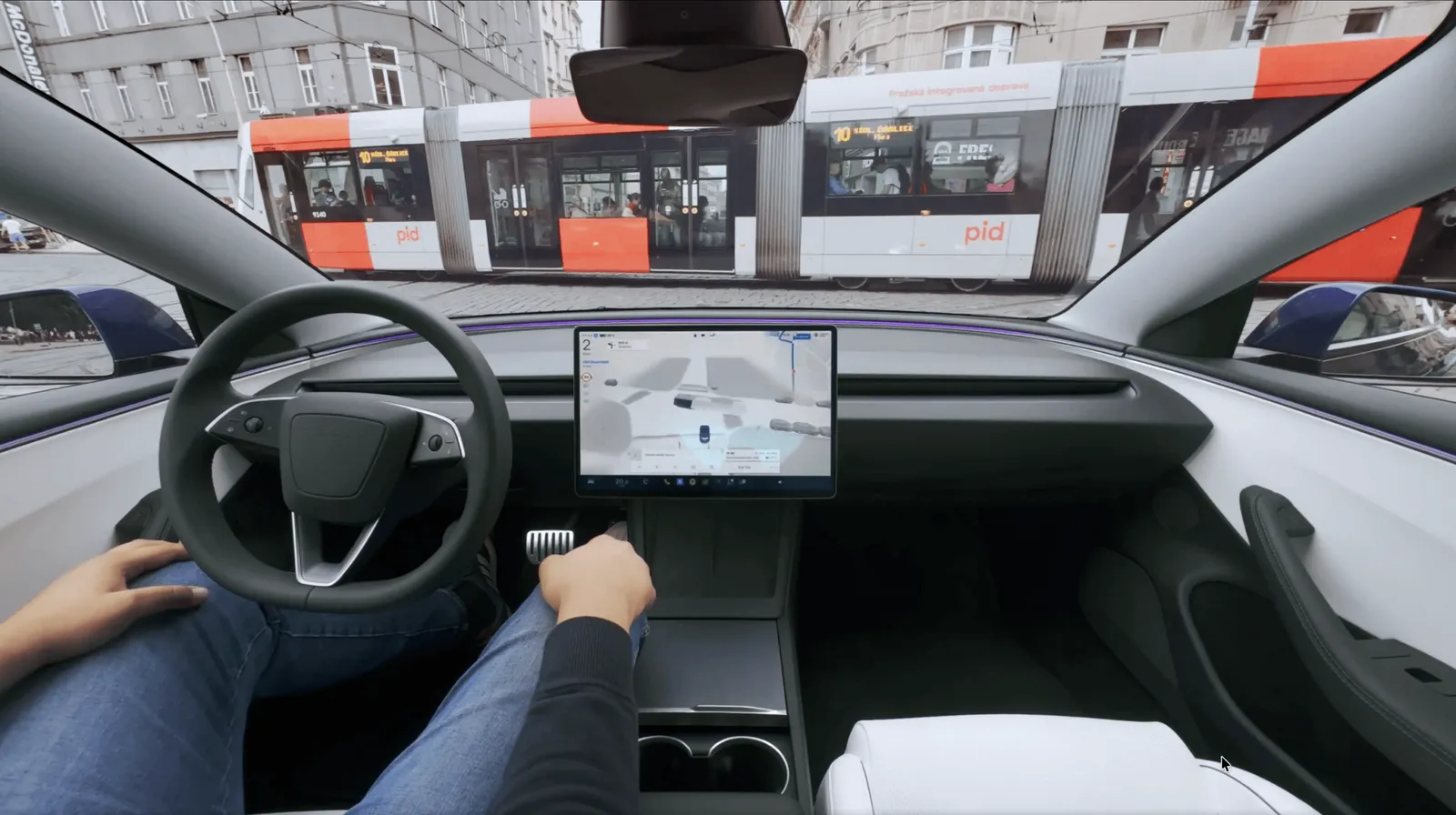
Tesla pressured the Dutch authority RDW for several months to restrict the scope of evaluation for Full Self-Driving (Supervised), according to correspondence described by Reuters on October 7, 2026. The company also disputed the €365,000 fee, and after a dispute RDW proposed reducing the workload. Ultimately, the system received approval in the Netherlands, which is now seeking to allow it across the entire European Union.
Tesla wanted faster and cheaper tests
In November 2024, a Tesla employee wrote to RDW that starting tests on the vehicles by the end of the month was “mission critical for our leadership.” He added that management would “measure the regulator’s good faith” based on whether they met this deadline.
In April 2025, a dispute over payment arose. Under European regulations, the manufacturer covers the costs of assessment, and RDW issued a bill to Tesla of 365,000 euros for five months of work. The company deemed the amount “extremely high,” requested an hourly breakdown of each employee’s workload, and halted payments. It also refused to fund the visits of five RDW employees to Gigafactory Berlin.
A week later, an RDW representative invited Tesla to propose how RDW could “adjust or reduce the required workload.” Hundreds of pages of correspondence with regulators in seven countries show that there were further concessions. Some tests were to be monitored remotely instead of on site, and RDW did not intend to “delve too deeply into the technical details” of OTA updates.
Tesla also received prior information about the planned tests and the names of safety drivers. RDW assures that contact with manufacturers does not compromise the independence or accuracy of its assessments. Meanwhile, the agency has withheld large portions of the correspondence and does not publish the results of its own FSD tests, citing Tesla’s trade secrets.
Tesla’s study does not confirm life-saving benefits
In April, Tesla provided the EU countries with its own “evidence dashboard,” and in September it published a European safety study. Seven traffic researchers told Reuters that the FSD sample, measured in tens or hundreds of thousands of miles, was too small to compare with the hundreds of millions of miles driven manually.
In place of accidents, alternative metrics were analyzed, including the use of horns and turn signals, sudden braking, and rapid cornering. The cars were driven by professional Tesla testers, not ordinary users. The company specified in its methodology that the results cannot be considered as evidence of a causal relationship.
Nevertheless, Tesla stated that 53 deaths per day on European roads could be largely eliminated with existing technology. Elon Musk added that delaying approval in France “will cost lives.” Marco Benedetti, a former NHTSA statistician, commented, “When you start talking about saving lives, it becomes absurd.”
Musk openly asked European customers to pressure regulators. Agencies in Sweden and Norway received dozens of messages, with Norwegian official Stein-Helge Mundal concluding, “We don’t approve systems because they are popular, nor do we reject them because they are controversial.”
FSD is currently allowed in eight countries: the Netherlands, Lithuania, Denmark, Belgium, Estonia, Slovenia, the Czech Republic, and Croatia. Full EU approval requires support from 15 of the 27 countries representing 65% of the population, with voting possibly taking place as early as December. Germany, Italy, and Spain have not yet supported the system, while Sweden demands that the ability to set speeds above limits be removed. With Tesla’s European sales expected to drop by 28% in 2025, there is also a simple commercial motive for urgency.
Order your Tesla and take advantage of purchase bonuses using the referral link!
LovEV Newsletter
Want more content like this?
Sign up — we’ll send you a weekly roundup once the newsletter starts.