
Tesla Model Y Long Range RWD with long waiting times. And record-low energy consumption
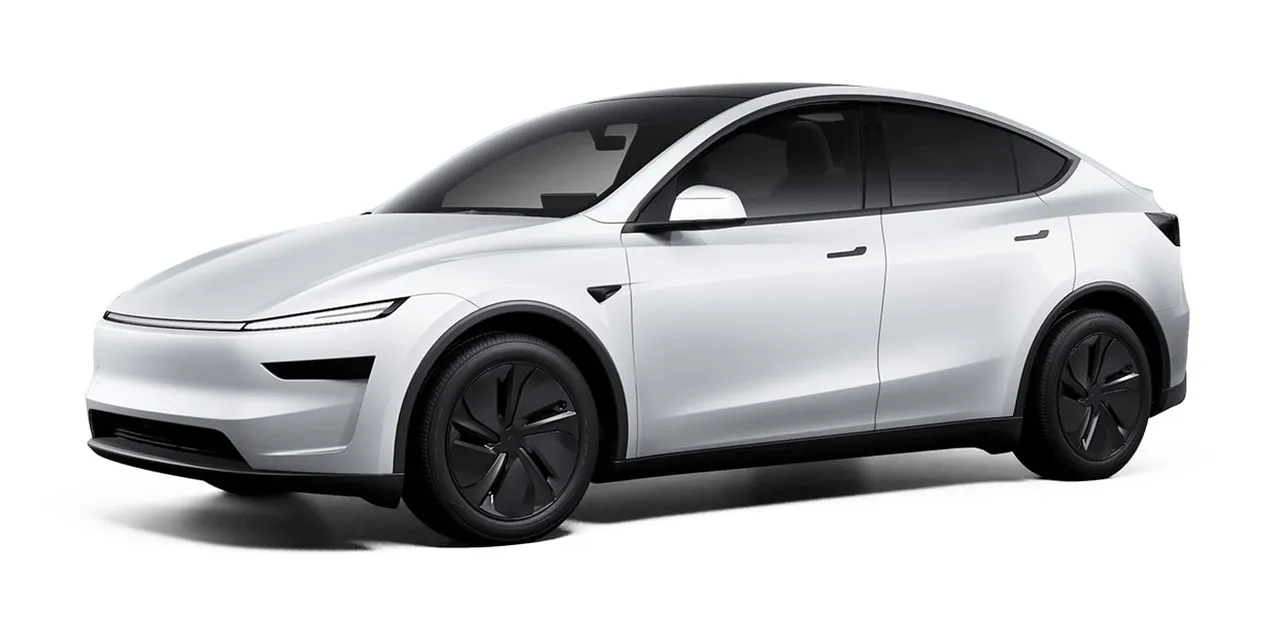
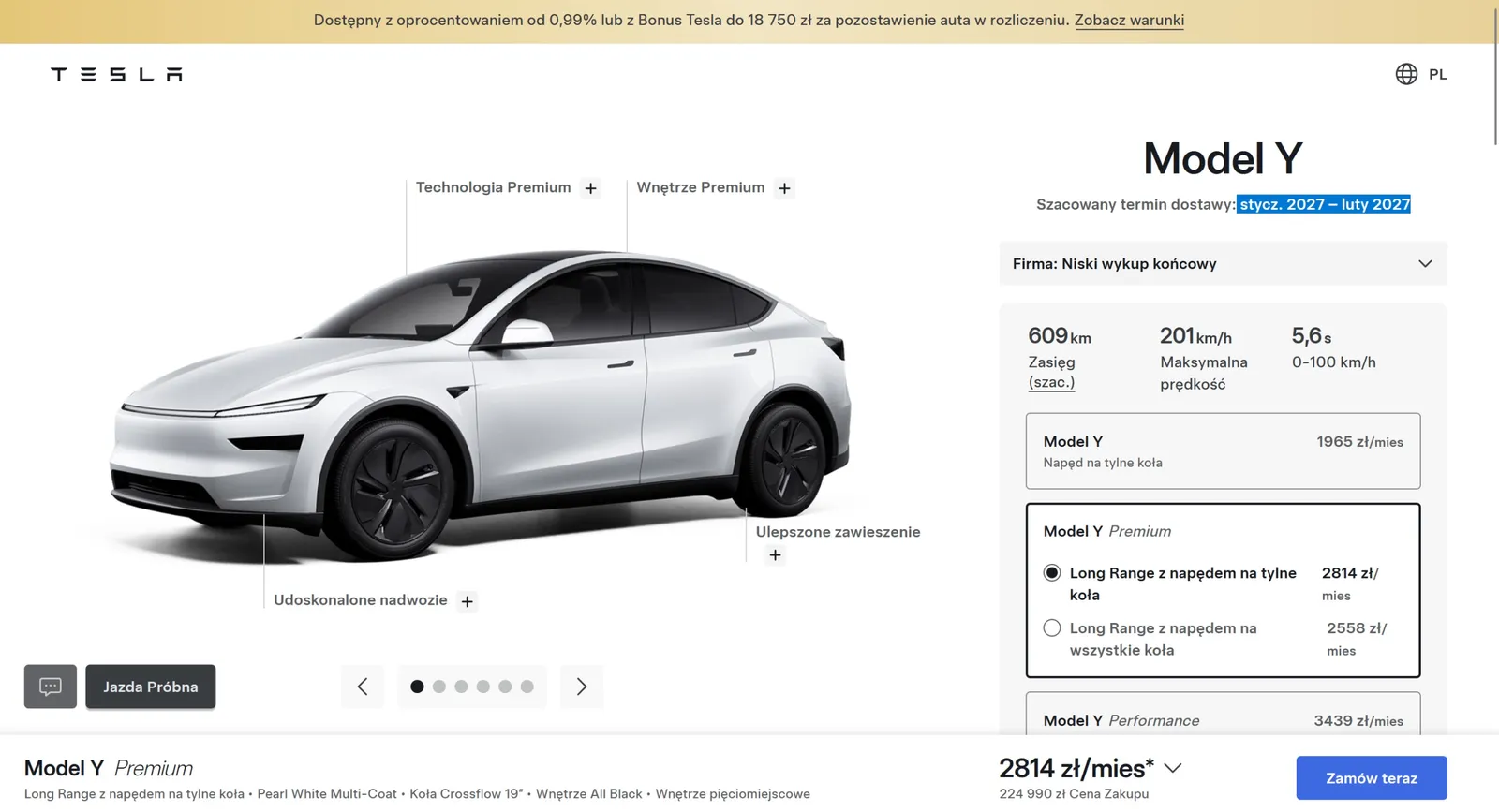
An interesting detail has emerged in the Tesla Model Y configurator, suggesting that the first recipients of the new Tesla Model Y Long Range RWD versions may become pioneers in their field. This is because their vehicles will be optimized for energy efficiency. It’s likely due to them receiving batteries built using 4680 cells from Giga Berlin (Germany). While these cars will take longer to charge, they will consume less energy not only compared to other Tesla Model Y models but even compared to the most fuel-efficient Tesla Model 3 models, let alone those from other manufacturers.
Tesla Model Y LR RWD 4680: The leader in low consumption and optimized charging at Superchargers?
Table of Contents
Tesla Model Y LR RWD 4680: The leader in low consumption and optimized charging at Superchargers?
Explanation?
Tesla’s official WLTP energy consumption figures can be found HERE. A careful review reveals something surprising: the Tesla Model 3 RWD, a compact sedan with an LFP battery and the lowest-powered engine in its lineup, consumes 13 kWh/100 km in mixed driving conditions. This is very low, about 10 percent less than the long-time leader in fuel efficiency, the Hyundai Ioniq Electric — which is rarely remembered these days.
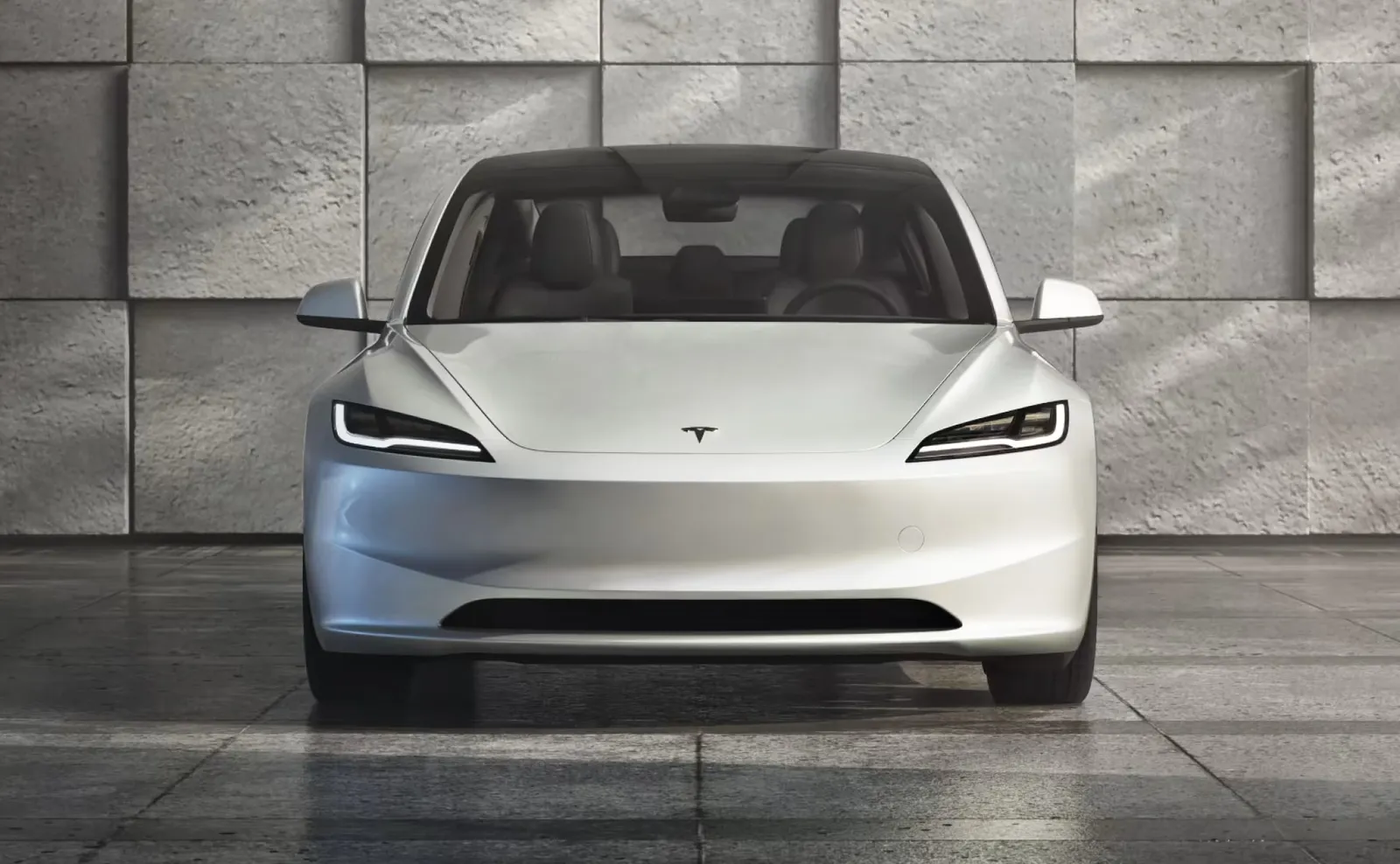
The Tesla Model Y RWD, likely with the same engine and battery, requires 13.4 kWh/100 km, which is 3.1 percent more. The body is higher but highly rounded and optimized, so we can say the figure roughly holds up. Especially since the drag coefficient Cx of the Tesla Model Y Juniper is 0.22, practically the same as that of the Tesla Model 3 Highland (Cx = 0.219). Nevertheless, further examination of the table reveals a surprise.
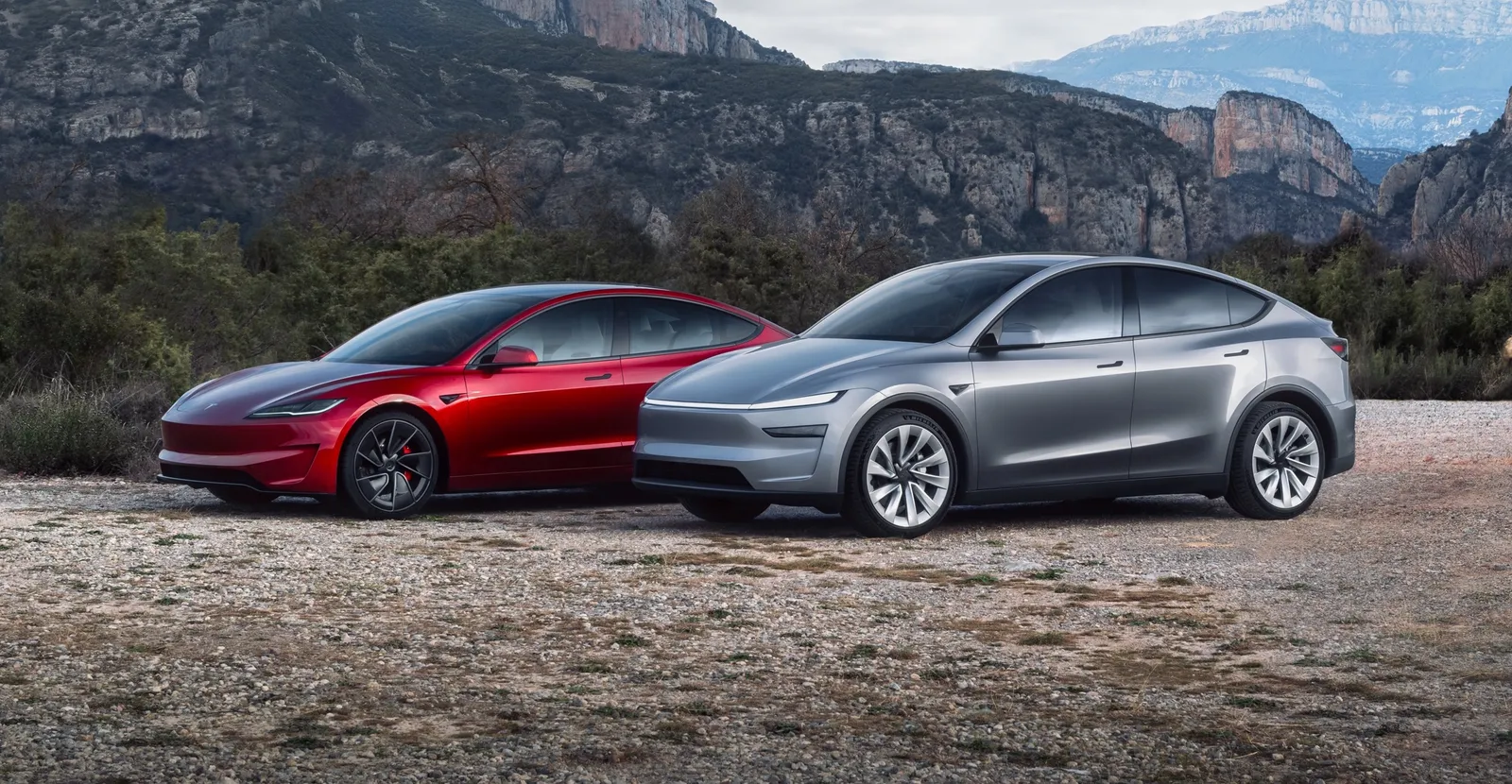
Tesla Model 3 Highland (on the left) and Tesla Model Y Juniper (on the right)
The Tesla Model Y Long Range RWD (still labeled “Premium” in the configurator but with “non-Premium” specifications) has an energy consumption of just 12.7 kWh/100 km. That’s less than the sedan, the Tesla Model 3! This figure is unprecedented: how can a large crossover require less energy to drive than a lower-model car from the same company or a small crossover whose designers went to great lengths to optimize energy use (see: Audi A2 e-tron, 12.8 kWh/100 km)?! Nothing here makes sense!
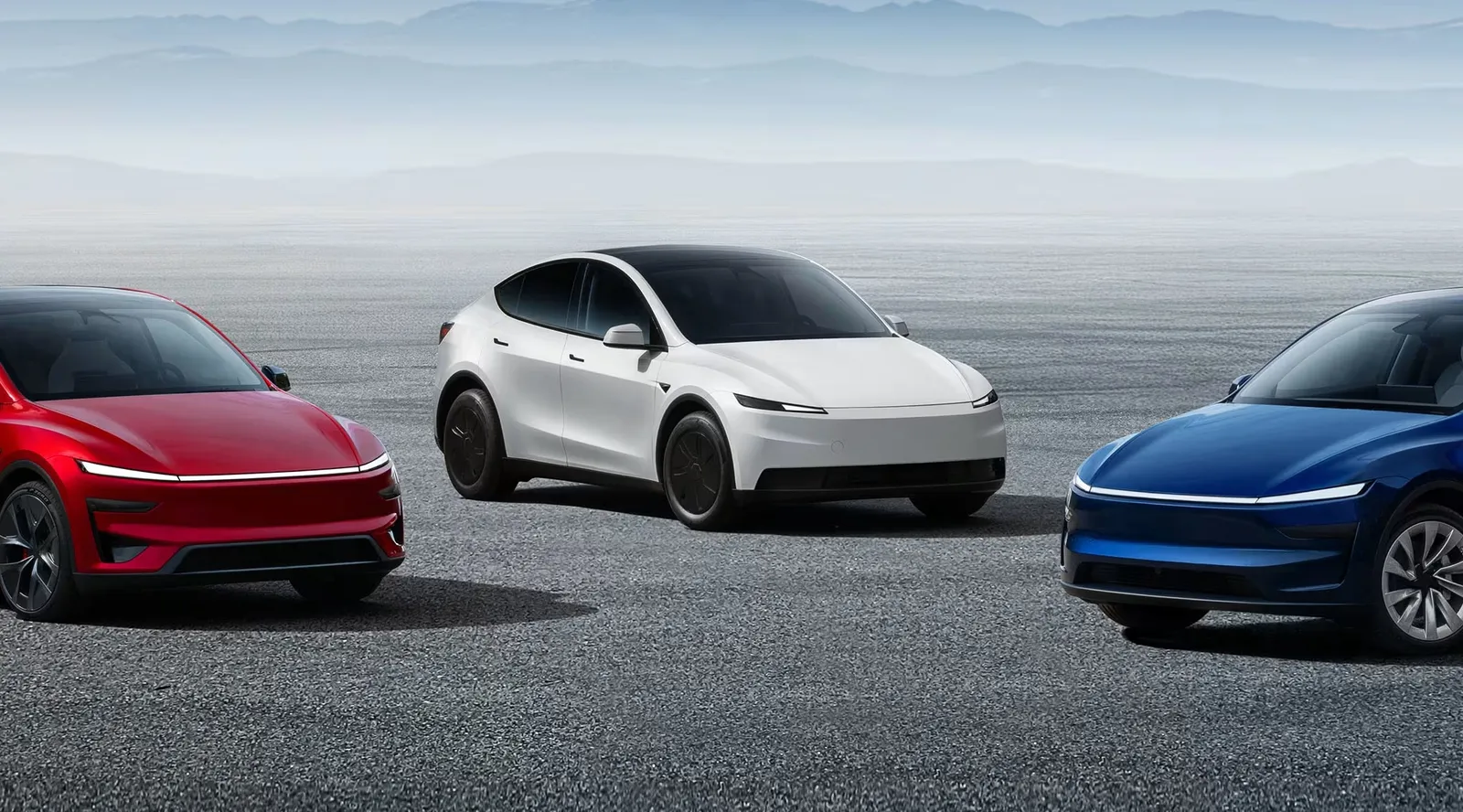
This is what the Tesla Model Y Standard looks like (inside); it’s now called the Model Y Rear-Wheel Drive, without the “Standard” designation. However, the manufacturer adds further confusion, as the version with the lowest energy consumption is the Model Y LG RWD non-Premium, which isn’t even Standard.
Explanation?
Well, a lot of it fits. At least according to the manufacturer’s strategy, in our speculation anyway. Tesla has just started producing 4680 cells at Giga Berlin. The 4680 cells, even the latest generations, are known for their relatively low energy density and poor charging curve [historical data; these may have been improved in the latest version of the cells – editor’s note]. To prevent people from complaining about them, the company decided to equip a specific model with 4680 batteries that have been optimized for energy consumption. The result is a car with exceptional efficiency, which requires fewer but longer charging stops.
Unless it’s necessary, because the software will ensure that stops are short—just right. This strategy may result in fewer complaints, even if it involves more frequent breaks during the journey. This version is the only one set to be released in January-February 2027, precisely when Giga Berlin accelerates production of 4680 cells. The rest can be available in October-November 2026, with the Performance edition even arriving in September 2026.
The question is, how many buyers will have a flair for being pioneers-experimenters?
So who wants to be at the forefront?
Article rating
Reader ratings
[Total: 10 votes Average: 4.3]
Don’t miss new content — CLICK and FOLLOW Elektrowoz.pl on Google News. You might also be interested in the following ads: