
Tesla Opens Self-Driving Cybercab Orders To 'Select Customers' At $29,990
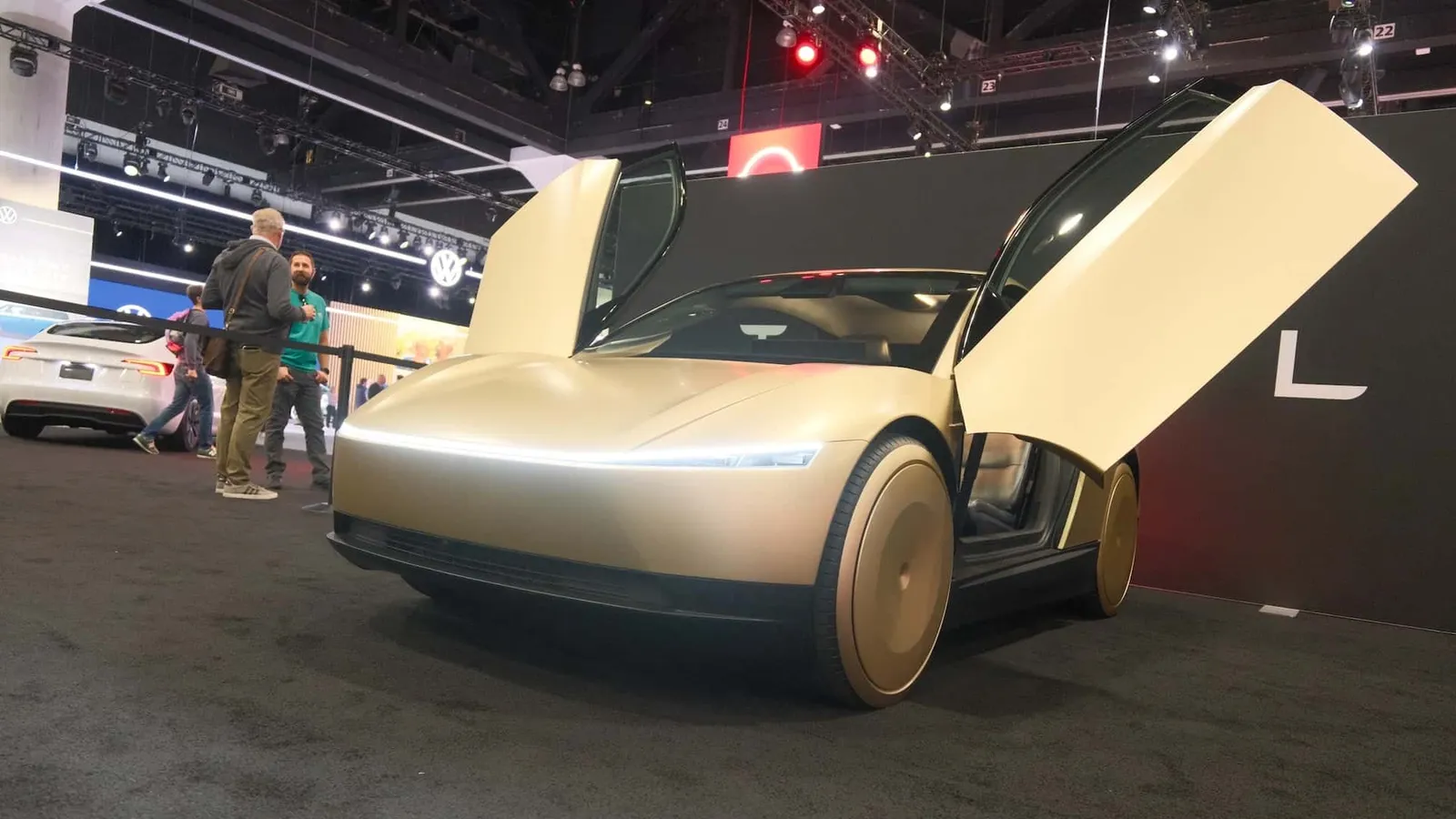
Tesla said it is starting to invite "select customers" to order Cybercabs.
The steering wheel-free two-seater could be the first Level 4 autonomous vehicle people can actually own.
Customers will also need to purchase an autonomous driving subscription for the Cybercab to work, Tesla said.
Tesla will soon start selling its steering wheel-free Cybercab for personal use, the company announced on Friday.
The Cybercab will cost $29,990, undercutting the Model 3 by $7,000 and making the golden two-seater Tesla's cheapest vehicle ever. According to a screenshot of the order page shared by Tesla, deliveries will begin as soon as next month.
There are a few catches. The Cybercab won't operate anywhere in the country, Tesla says, but rather in "supported service areas." It will also require a $299-per-month autonomous driving subscription to operate, with the first month included for no charge. That totals to some $3,600 per year just to use the vehicle, before insurance or maintenance costs.
And the model will be sold to hand-picked buyers, at least to start. "Select customers are now being invited to purchase Cybercab for personal use," the company said in a tweet on its Robotaxi X account. Tesla said initial availability is limited.
It's not clear when or if sales will expand to the general public. But the sale of a car one can actually own that is capable of driving itself without supervision would be a massive milestone for both the automotive world and for Tesla in particular.
Putting autonomous cars in the hands of regular people has been one of Elon Musk's central promises for about a decade, and he's missed his self-imposed deadlines year after year. Meanwhile, today's driverless cars are owned and operated by companies running ride-hailing services, like Waymo, Zoox, and Tesla—not by individuals. The Cybercabs in operation today are part of Tesla's Robotaxi service, which opened for business last year and now shuttles riders around in a handful of U.S. cities, including Austin and Miami.
Tesla's biggest boosters online cheered the news. But it's also sure to tick off some of the many Tesla owners who have paid for Full Self-Driving over the years and have been waiting patiently for their Model 3s and Model Ys to become autonomous. Most recently, Musk said that will happen in the second quarter of next year in areas where the Robotaxi service operates.
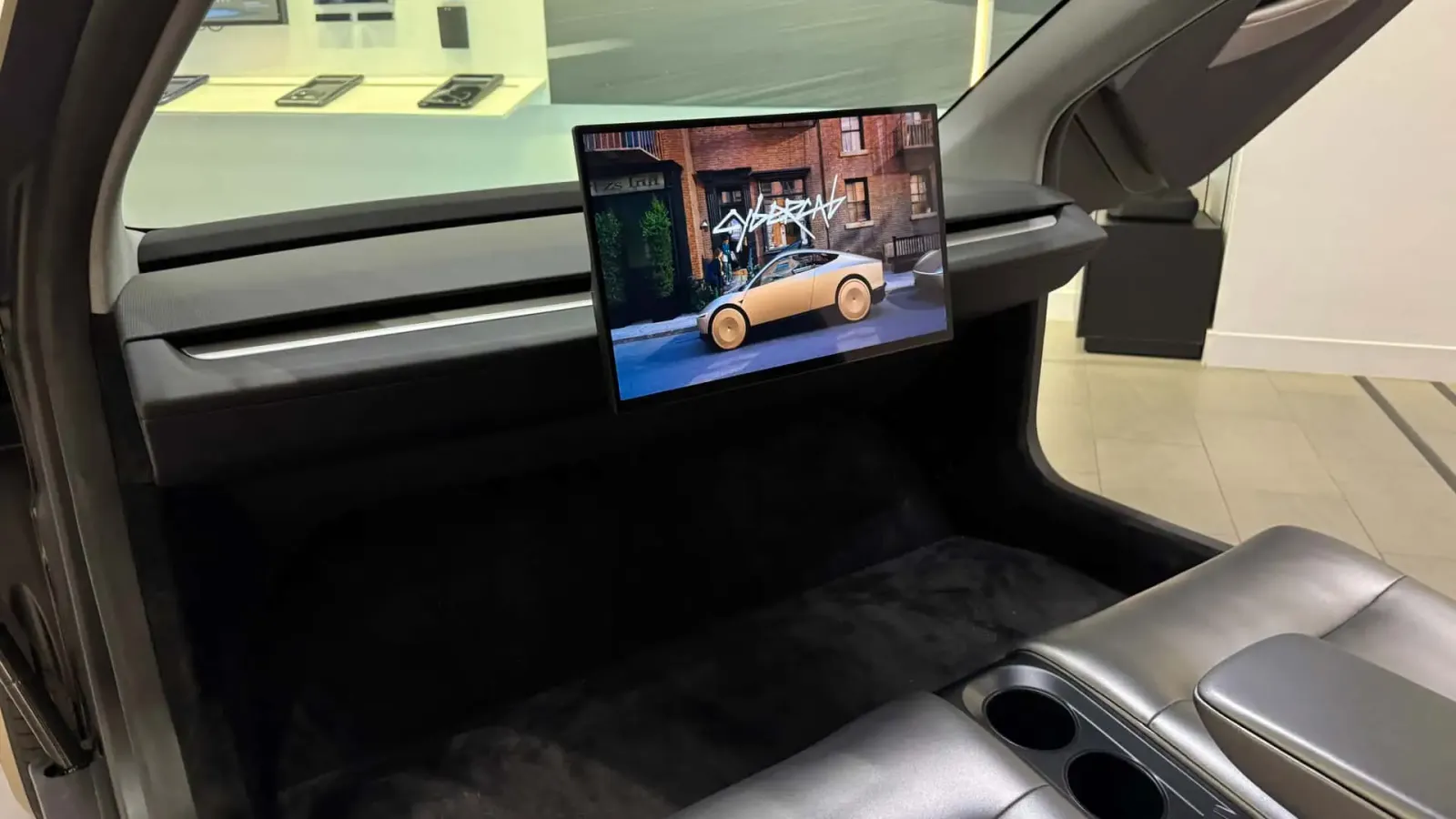
The Tesla Cybercab has two seats and no steering wheel or pedals.
Photo by: Motor1.com
Tesla is far from the only company looking to sell autonomous cars to the public someday. Rivian plans to introduce lidar and a new in-house chip to the R2 in the hopes of giving it self-driving capability someday. General Motors plans to introduce an eyes-off version of Super Cruise to the Cadillac Escalade IQ in 2028. It'll operate on highways first before expanding to other road types, GM says.
Tesla advertises the personally-owned Cybercab as "fully autonomous" and says owners will be able to monitor their vehicles and manage rides via the Tesla app. But overall, the announcement raises almost as many questions as it answers.
For example, there was no mention of whether customers would be able to add their cabs to the Robotaxi fleet and earn passive income, another longtime Musk promise. It's also not clear where the Cybercab will be able to operate, nor whether Tesla will expand that territory quickly enough to make buying one worthwhile beyond a handful of cities.
Another cloud of uncertainty looming over the Cybercab's rollout is regulatory in nature. The Cybercab's unconventional design has caught the attention of the National Highway Traffic Safety Administration, which questions how exactly Tesla determined that the vehicle complies with motor vehicle safety standards. The Tesla lacks a steering wheel, pedals, and side-view mirrors, all things that are typically required for a car to be street-legal.
The federal government lets companies apply to roll out noncompliant vehicles, but those deployments are capped at 2,500 vehicles per year. (Zoox, for its part, was recently granted an exemption to commercially deploy 5,000 of its autonomous pods over two years.) NHTSA has said it's working to streamline autonomous-vehicle rules, which could work in Tesla's favor here.
If Tesla can pull this off, it'll be one for the history books. Of course, the company has made numerous ambitious promises around self-driving cars—like 1 million robotaxis by 2020, and unsupervised self-driving pretty much every year since—and it has generally fallen short. Whether the Cybercab rollout breaks that streak is still to be determined.
What do you think?
Contact the author: Tim.Levin@InsideEVs.com
Updated at 8:12 PM ET with additional details about the Cybercab, context on other automaker efforts, and regulatory issues.
More Of Today's EV News