
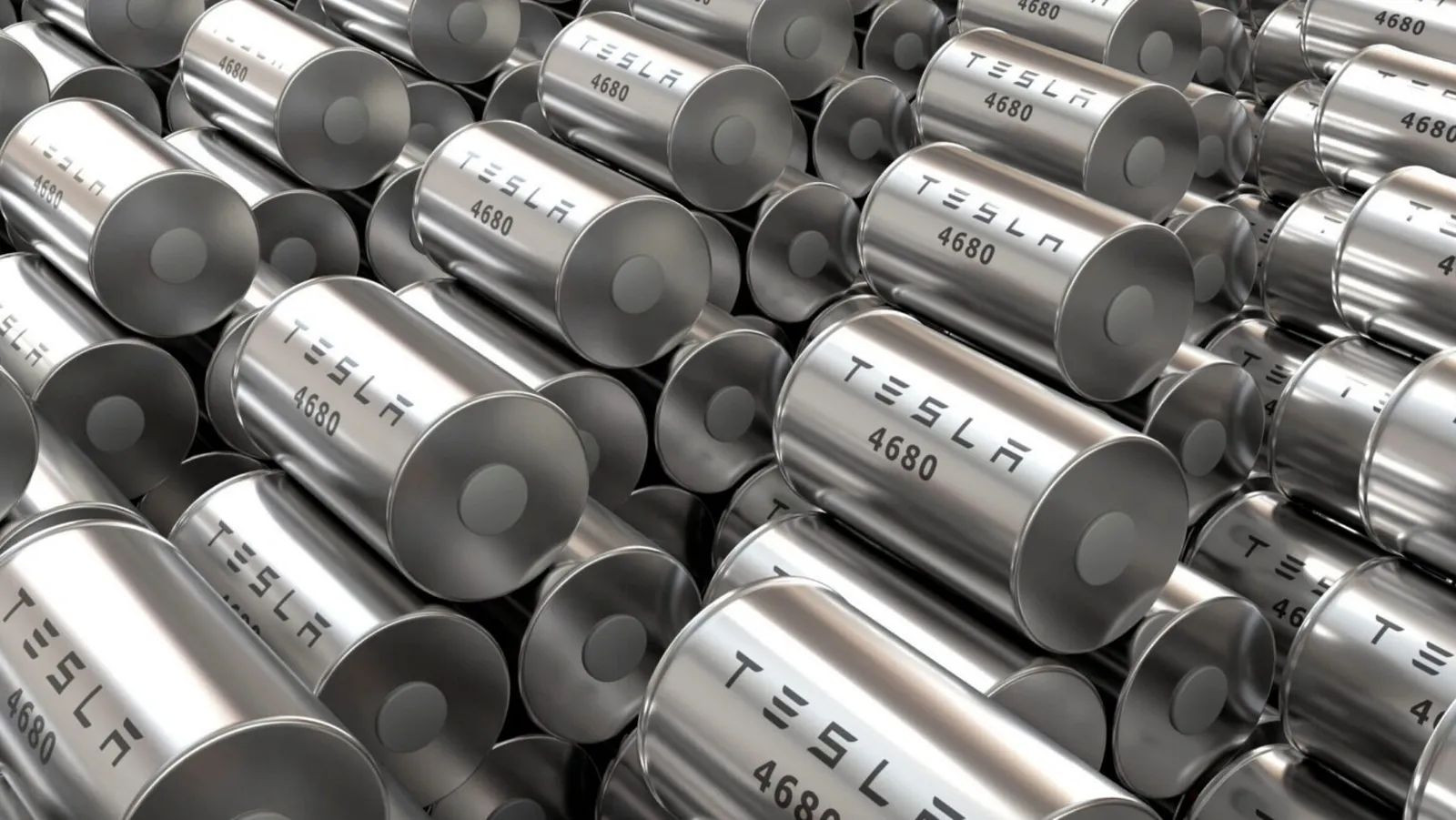
Tesla is turning Berlin into one of its most important factories: it will produce up to 18 GWh of 4680 cells for its own vehicles
10/10/2026 13:00
Updated to
10/10/2026 13:00
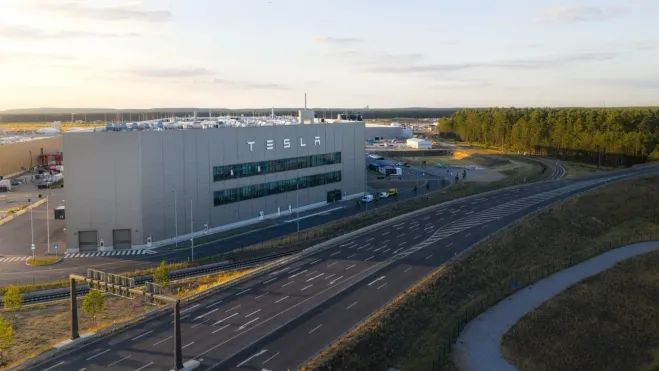
Tesla’s gigafactory in Grünheide, on the outskirts of Berlin, is preparing for a major transformation. Starting in 2027, the plant will begin producing its own 4680 battery cells, with a capacity of up to 18 GWh per year. This was explained by Robert Meyer, head of Tesla Manufacturing Brandenburg’s cell factory. With this change, Grünheide will bring together the entire value chain in one European location, from cells to finished vehicles. “This is unique in Europe,” said Meyer.
Tesla’s Gigafactory Berlin-Brandenburg began production in March 2022, with a theoretical annual capacity of 375,000 vehicles, and by the end of last May it had already produced its 750,000th Model Y. After a weak 2025, rising demand has prompted Tesla to accelerate its efforts. In the first quarter of 2026, it broke its own record by producing over 61,000 cars. The 4680 cell line represents an investment of $250 million, further enhancing Germany’s role in Tesla’s global strategic plans.
A Strategic Decision Rather Than an Economic One
Tesla does not hide that, in a direct cost comparison, manufacturing cells in Germany is not particularly cost-effective. "From a purely economic standpoint, the benefit is minimal. For us, however, it is a strategic decision," admits Meyer. The company aims for a more resilient supply chain, less reliance on external sources, and greater in-house industrial expertise in the region.
But Europe lacks the supplier ecosystem for cell manufacturing that exists around Shanghai. Additionally, Meyer points out a disadvantage over China and the United States: the European Union does not offer incentives tied to the volume of cells produced.
Dry electrode and Texas as a reference
Techinally, Tesla will use the dry electrode process, which eliminates the traditional solvent-based wet coating. This removes drying ovens that consume a lot of energy, reducing both the space needed in the factory and investment costs. It also eliminates the expenses associated with recovering toxic solvents. According to Meyer, this has an impact on production costs, energy consumption, and the environmental footprint.
To get started, Grünheide will build on what was learned in the production of 4680 cells in Texas. Still, success will depend on turning highly complex processes into stable, large-scale production with sufficient quality, high yields, and rapid acceleration. “Speed is critical. We need to learn quickly from our mistakes and always ask whether a problem can’t be solved even faster,” insists Meyer.
Over 1,500 jobs available with no prior experience required
The new facility will require more than 1,500 additional employees. The problem is that there is a shortage of experience in cell production in Europe, so Tesla does not require it as a prerequisite. “We are aware that we are doing pioneering work here in Europe,” acknowledges Meyer. The company even sees an advantage in those coming from other industries, as they approach complex problems without preconceived ideas, and it will provide them with training through internal programs.