
Tesla extends home backup functions to Model 3 and Model Y in the US
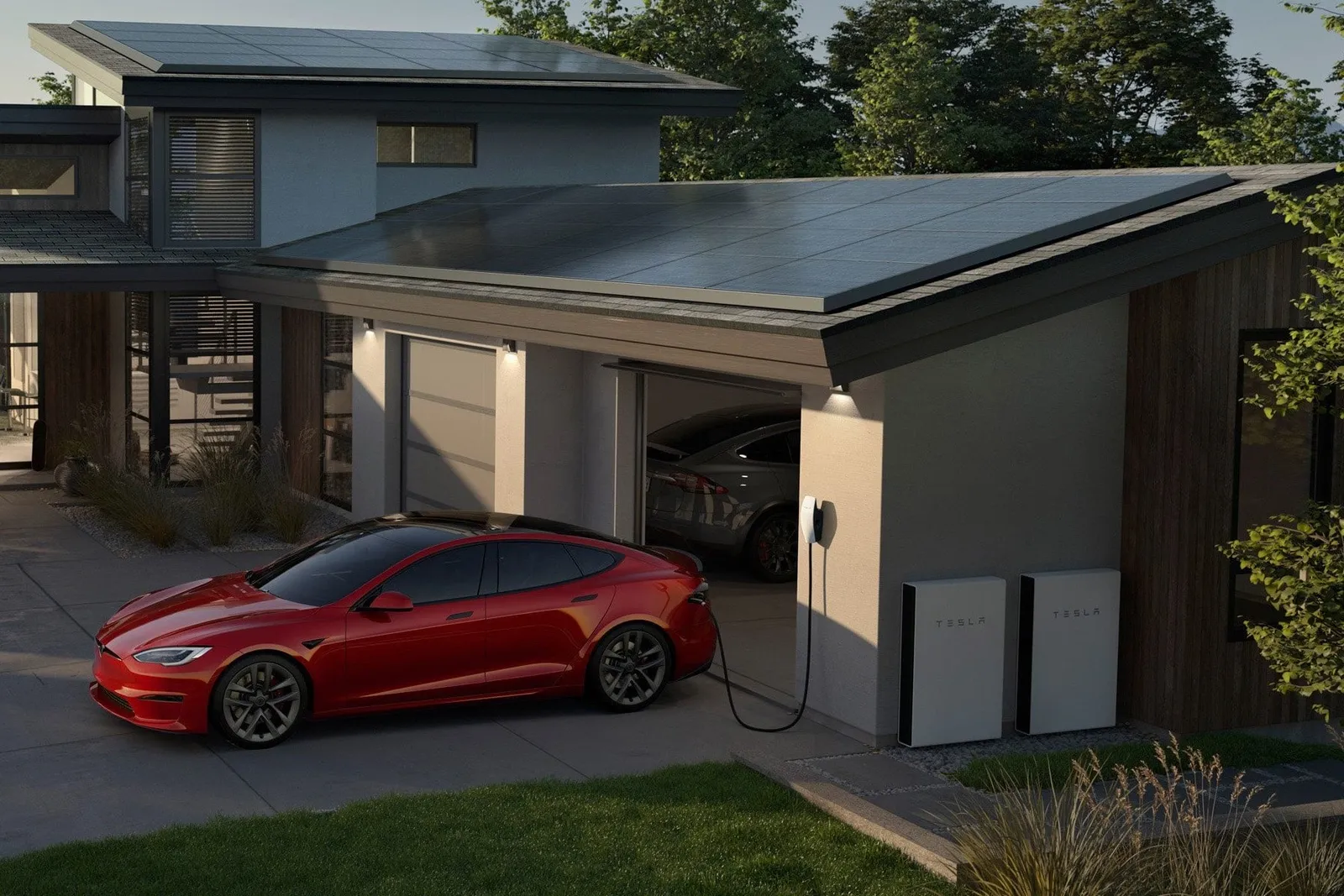
Tesla has extended its Powershare Home Backup function to the Model 3 saloon and Model Y SUV in the US, enabling both BEVs to supply electricity to a home during a power outage. The feature was previously only available on the Cybertruck.
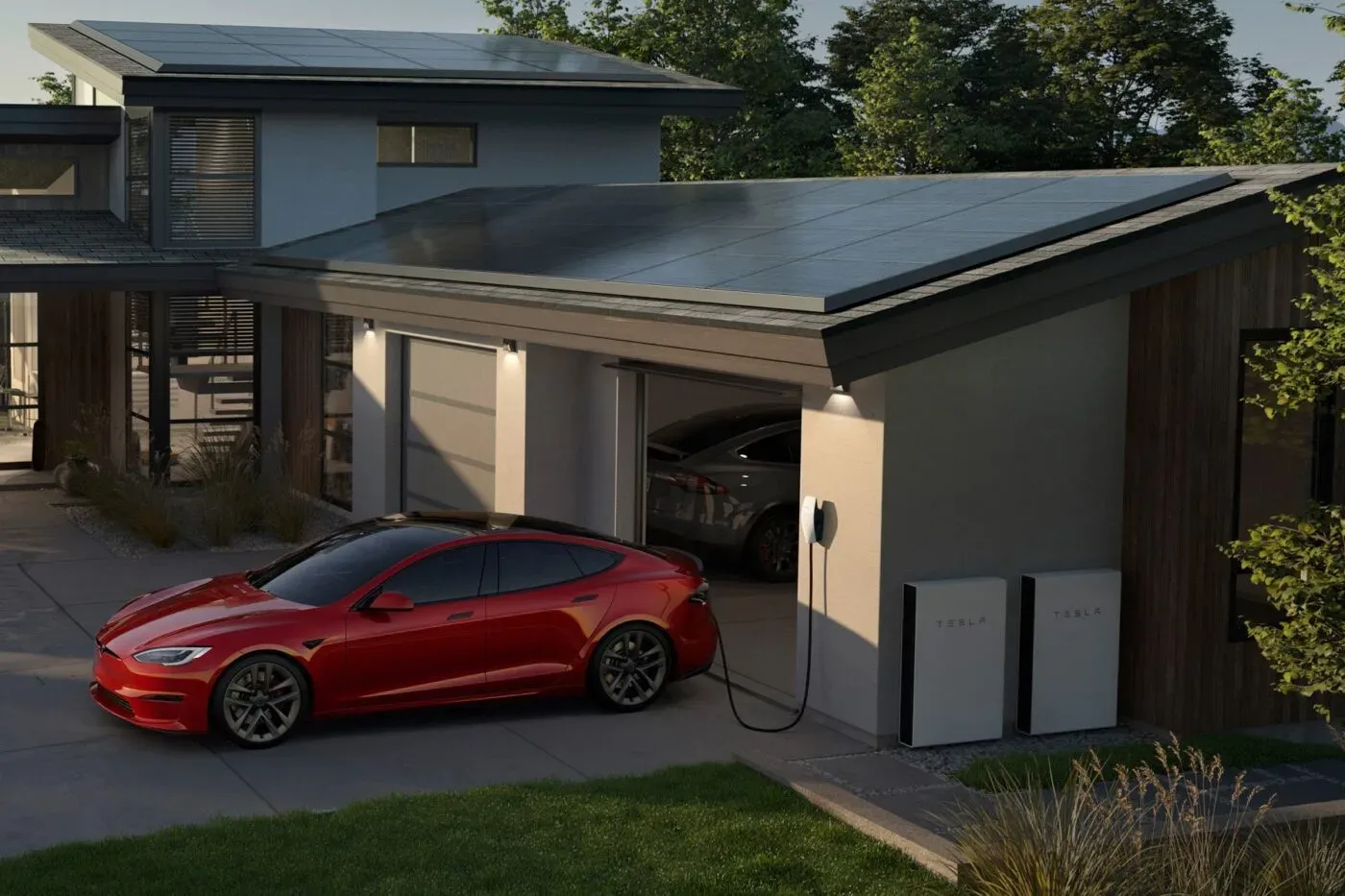
Image: Tesla
According to Tesla, the Powershare function can extend household backup power by more than two days by using the vehicles’ traction batteries to supply electricity in the event of a grid outage. Specifically, it estimates that the Premium and Performance versions of the Model 3 and Model Y can achieve this for a household consuming 30 kWh of energy per day. Standard versions meanwhile offer up to two days of power, depending on the vehicle’s state of charge and household energy use.
While this may be welcome news to Tesla customers, it comes with some caveats: namely, that the feature will not be available to every existing owner of these Tesla models. The US automaker only guarantees compatibility for Model 3 and Model Y vehicles ordered in the US and Puerto Rico from 1 October 2026 onwards; some earlier vehicles will also be compatible depending on their hardware, but this is not assured by the brand. Tesla has not yet revealed if, and when, Powershare Home Backup will become available in other markets.
Additionally, there’s some basic equipment required. Powershare Home Backup currently requires a Tesla Powerwall 3 home battery and a compatible Tesla Wall Connector. The system can supply up to 11.5 kW of continuous power. Owners with the necessary equipment do not need additional hardware, but must contact Tesla support to activate the feature. Tesla has said that support for older Powerwall 2 and Powerwall + systems is planned, but is yet to confirm a date for this.
It’s also worth noting that the Model 3 and Model Y cannot currently use Powershare to feed electricity back into the public grid ala vehicle-to-grid (V2G); this function remains separate from home backup and is not currently available for these two models.
The update follows Tesla’s introduction of a vehicle-to-load (V2L) adapter for the Model Y Premium in the US back in August. This accessory enables the car to power external electrical devices through a standard socket, with output limited to 2.4 kW. Home backup, by contrast, allows the vehicle to supply electricity to a building through an integrated home energy system.
Tesla has also been expanding the Cybertruck’s capabilities where residential energy systems are concerned. In April, utility firm PG&E integrated the electric pickup into its Californian ‘vehicle-to-everything’ programme, allowing eligible customers to use Powershare Home Backup to participate in grid-support schemes.