
Tesla secures key support in Europe: Germany will push to approve its FSD
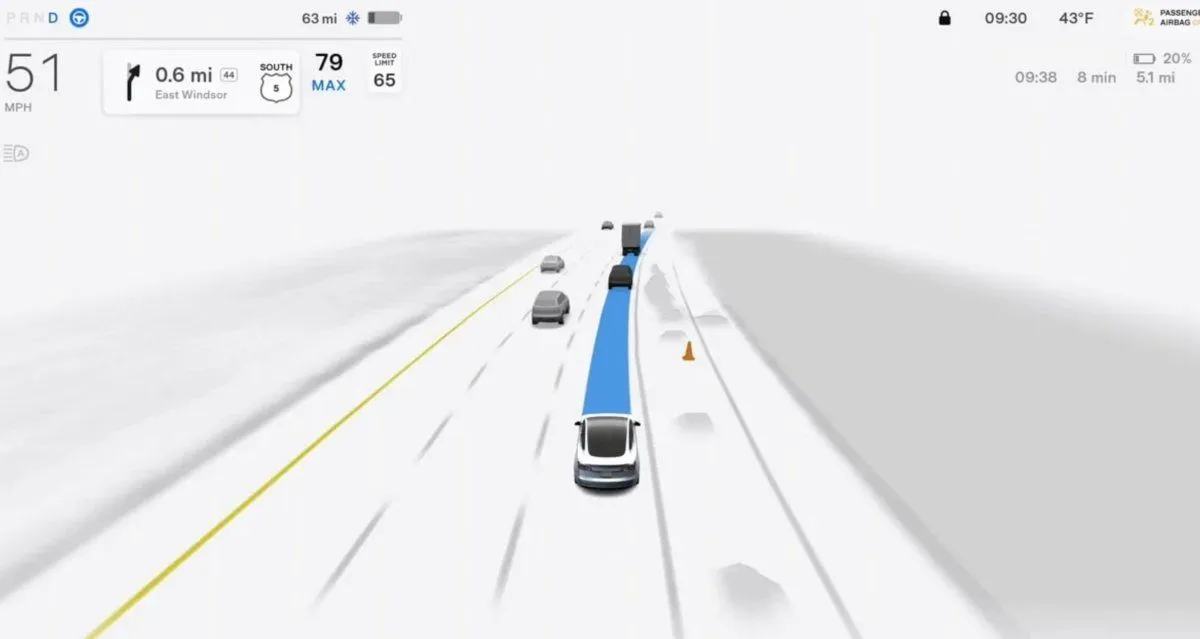
Tesla owners in Europe are beginning to see the light at the end of the tunnel as the time to enjoy the FSD driver assistance system gets closer. The approval process has made an unexpected breakthrough thanks to support from a key market.
Germany has taken a particularly significant step. The Federal Ministry of Transport announced it will support rapid approval of Tesla’s system across Europe, following discussions with the manufacturer last September and reaching an agreement on some of the pending issues.
The news represents an important shift in stance from one of the most influential countries within the European Union. Germany is not only one of the continent’s key automotive markets but also the country where Tesla operates its European factory. The German government’s position could prove decisive in the process that still needs to be completed.
Germany backs Tesla’s system
The announcement was made by Germany’s federal transport minister, Steffen Bilger, who confirmed his intention to work toward having the system approved in Europe as soon as possible. According to the ministry, discussions held with Tesla officials last September led to an understanding on the technical aspects and issues related to driver responsibility.
Bilger believes Tesla drivers should be able to use driving assistance features throughout the European Union at the earliest opportunity. However, the German ministry itself avoids presenting the system as autonomous driving technology and emphasizes that the driver remains responsible for driving at all times.
This level of precision is no less significant. The name FSD, an acronym for Full Self-Driving Supervised, has caused confusion over the technology’s actual capabilities for years. The German ministry believes the current designation could be misleading, as it does not refer to a system capable of taking over driving entirely without human supervision.
Tesla has already proposed a solution: changing the name to Tesla Assisted Driving, a term that better reflects that it is a driving assistance system rather than fully autonomous driving as many still assume.
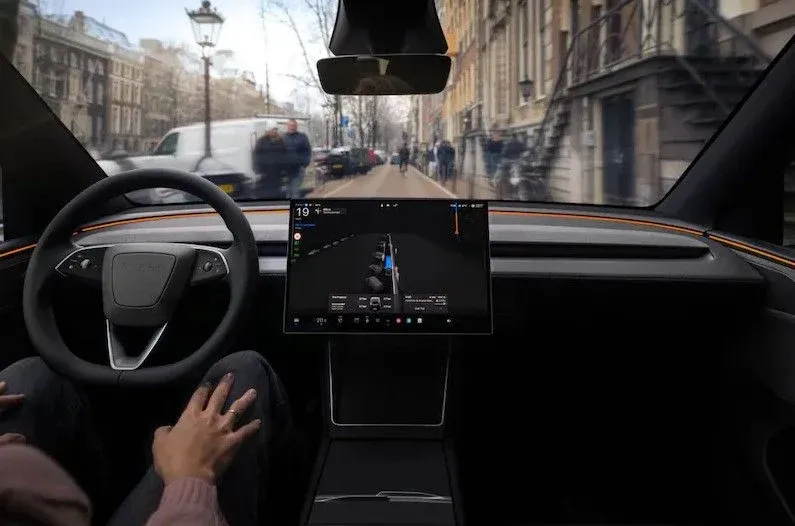
The agreement reached between Germany and Tesla also includes one of the points that caused the most controversy during the homologation process. The system will be allowed to slightly exceed the speed limit, by up to 10%, a possibility that Germany has expressed willingness to defend within the European procedure.
This means that, for example, on a road with a speed limit of 50 km/h, the system could travel at 55 km/h. The German ministry believes that these small differences can help, depending on the situation, to achieve smoother and more consistent traffic flow.
The issue is particularly relevant because the system’s ability to handle certain urban traffic situations and its behavior regarding speed limits have been among the aspects examined during the process. Germany claims it has held discussions with both Tesla and the authorities responsible for certification to address these issues.
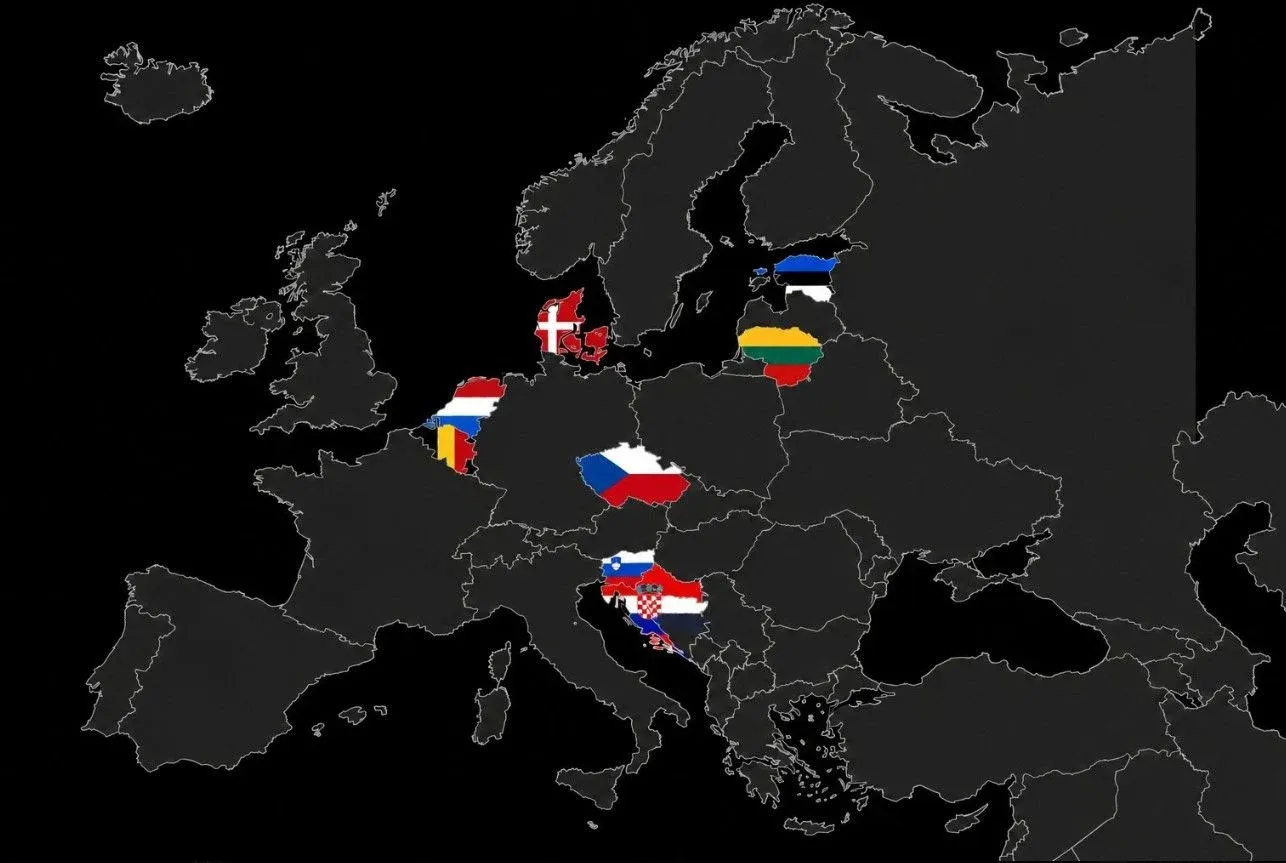
Now it’s up to Brussels to finalize the process. The first important step was taken in April, when RDW granted Tesla a provisional European certification for use in the Netherlands. For the system to be extended to other countries, the application must proceed through European institutions and receive necessary support from member states.
The Dutch authority explained that the process includes exactly this possibility of extension to the entire European Union. To do this, the application must go through the appropriate procedure, and member states must express their opinion on it.
The RDW also argued that its decision was not based solely on the data provided by Tesla. The authority conducted its own tests on circuits and public roads for over a year and a half, with more than 3,000 hours of testing and over 1,000 test drives. Data from approximately 1.8 million kilometers driven in Europe with the system active were also analyzed as part of this process.
Therefore, Germany’s move carries considerable significance. So far, access to the system has been limited to markets where authorities have completed the necessary procedures, while other major European markets remain awaiting a final decision.
For Tesla, the German stance shift represents an important advancement regardless. The company has been working for years to ensure its FSD, or TAD under the new terminology, can offer in Europe capabilities similar to those already available in other markets. However, the European version is subject to specific regulations and cannot be directly compared to the one used in the United States.
The Dutch authority responsible for homologation has warned about this difference. The European version of the system is developed and evaluated under community standards, and its functions are not necessarily identical to those available in the United States.
The major question now is how long it will take for the European process to be completed. With Germany publicly siding with Tesla and advocating for a rapid approval, the company has secured one of the most important political supports it could obtain within the European Union.
For now, however, Tesla’s FSD remains a driving assistance system rather than fully autonomous driving. Even if it eventually receives European approval, the driver will still be responsible for controlling the car and must remain attentive while using it. It is precisely this distinction that Germany wants to clarify before allowing its widespread deployment.
Opinion
Setting aside the complete absurdity of some EU countries approving it while others do not, the fact remains that its activation in Europe is inevitable and imminent. It’s only a matter of weeks or a few months before Tesla delivers another major blow in the commercial arena, further solidifying its leadership.
The main problem is that Tesla has no competition. European manufacturers are years away from matching this system, and Chinese companies have decided to limit theirs to their own markets for now. But by 2027, alternatives like those from Xpeng are expected to emerge, bringing some competition and lowering the prices of FSD, which is currently only available as a subscription at a cost of 99 euros per month.
