
That’s what Zion would have to look like, a car in the sun to work. No one would buy it, but… it would work. Of course, not here.
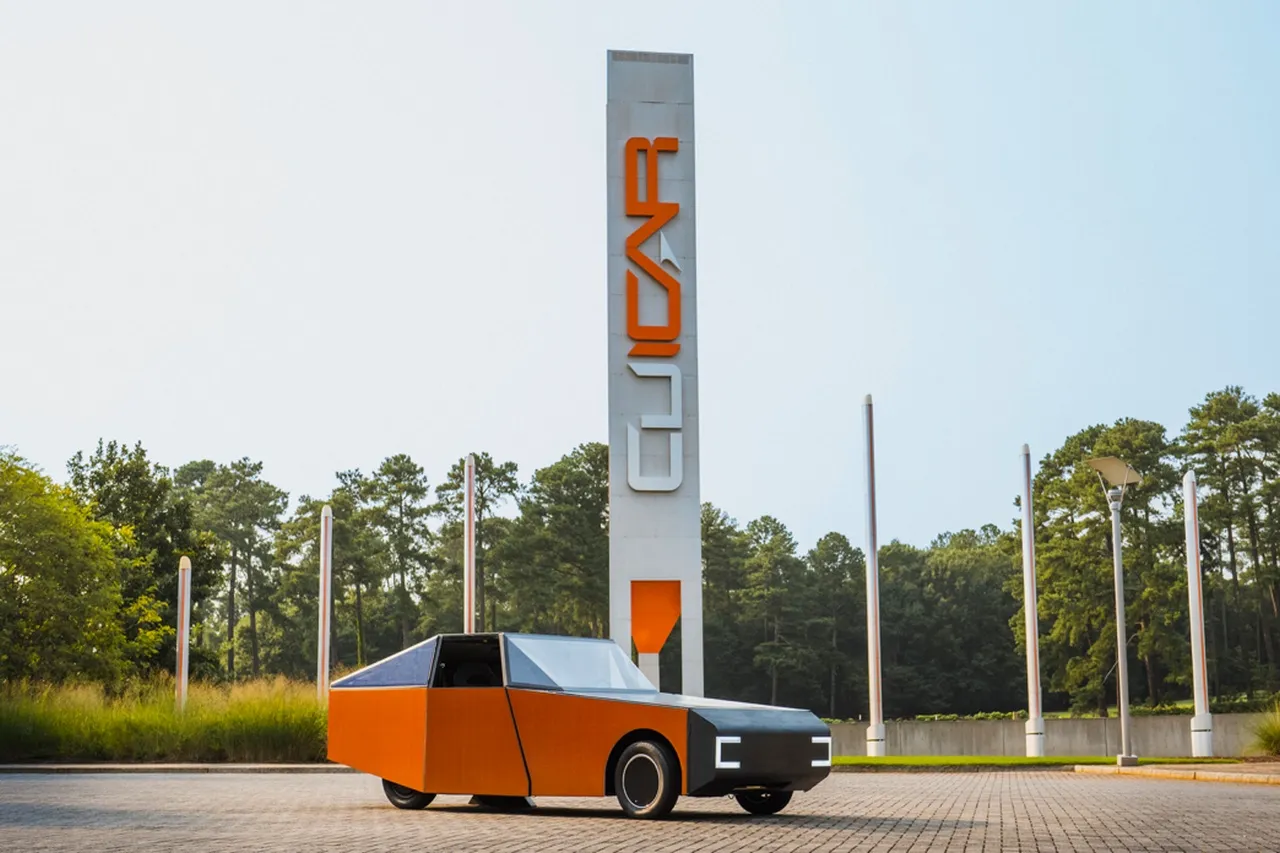
BMW gave students at Clemson University (South Carolina, United States) a task. They were to develop a car that could generate enough energy to meet its owner’s daily needs and still have a surplus. They succeeded, but the vehicle would likely not be a commercial hit. Even though it actually produced more energy during the day than it used for driving. This is the Deep Orange 17.
A solar car. An idea that, in its western form, doesn’t seem to work.
The development of Deep Orange 17 took two years (source). The vehicle’s body is covered with solar cells (compare: Sion from Sono Motors), a total of 1,781 of them being used. The car generates energy while moving, when parked, and even in shade, thanks to cells developed in collaboration with the Fraunhofer Institute. Researchers from Clemson University assumed the vehicle would travel 19 kilometers (12 miles) per day, which is about 9.5 kilometers from the campus to the university and back.
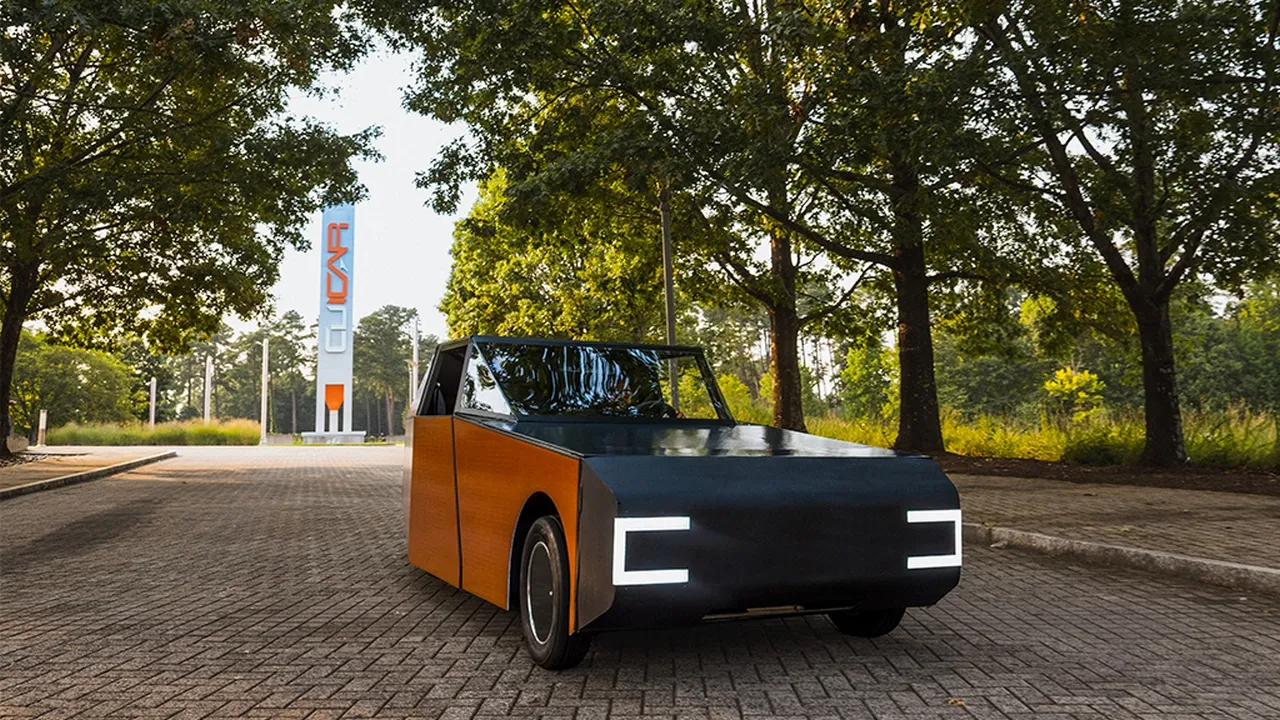
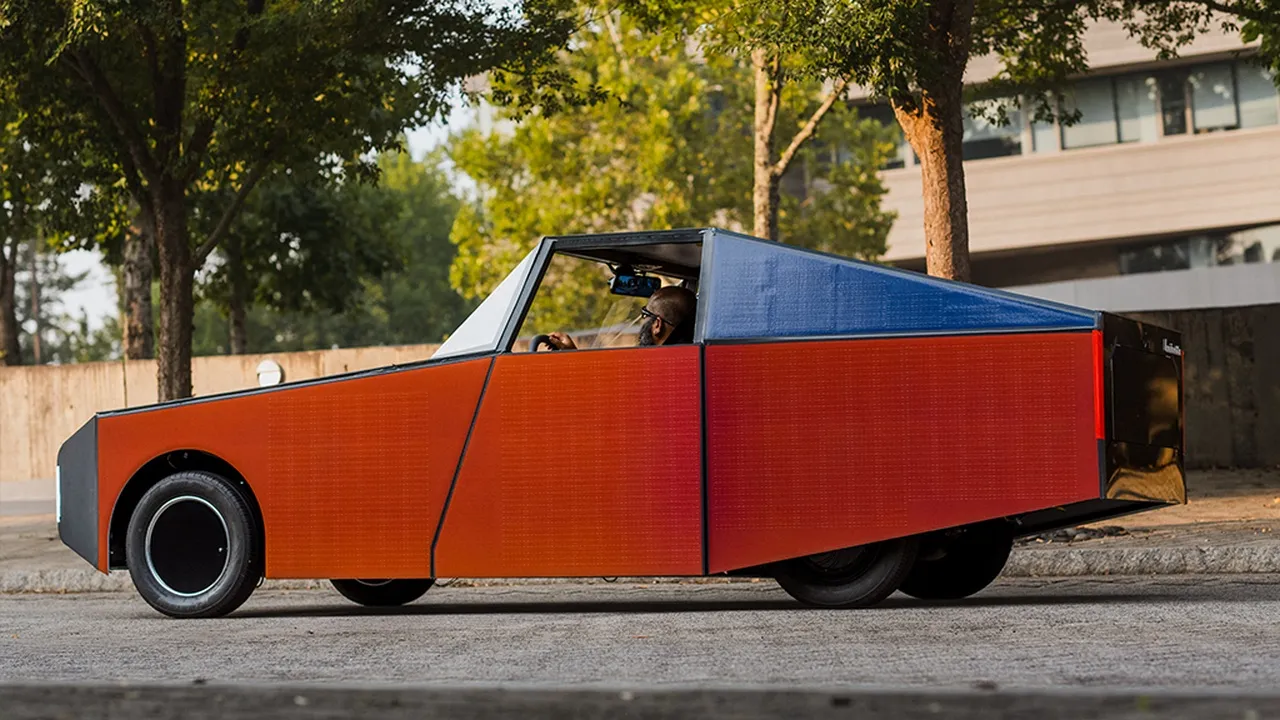
The vehicle’s entire photovoltaic system is capable of providing it with a range of up to 50 kilometers per day, meaning one sunny day equates to 2.5 days of driving range. Additionally, the car naturally recovers energy during braking and manages its usage intelligently. The total weight is 550 kilograms—factors like this and several other limitations reflect European design influences; thus, it could at least be classified as a heavy four-wheeler (category L7e). In such a case, the tubular passenger compartment, aluminum components, carbon fiber covers, and 3D-printed connectors would not pose any obstacles to homologation.
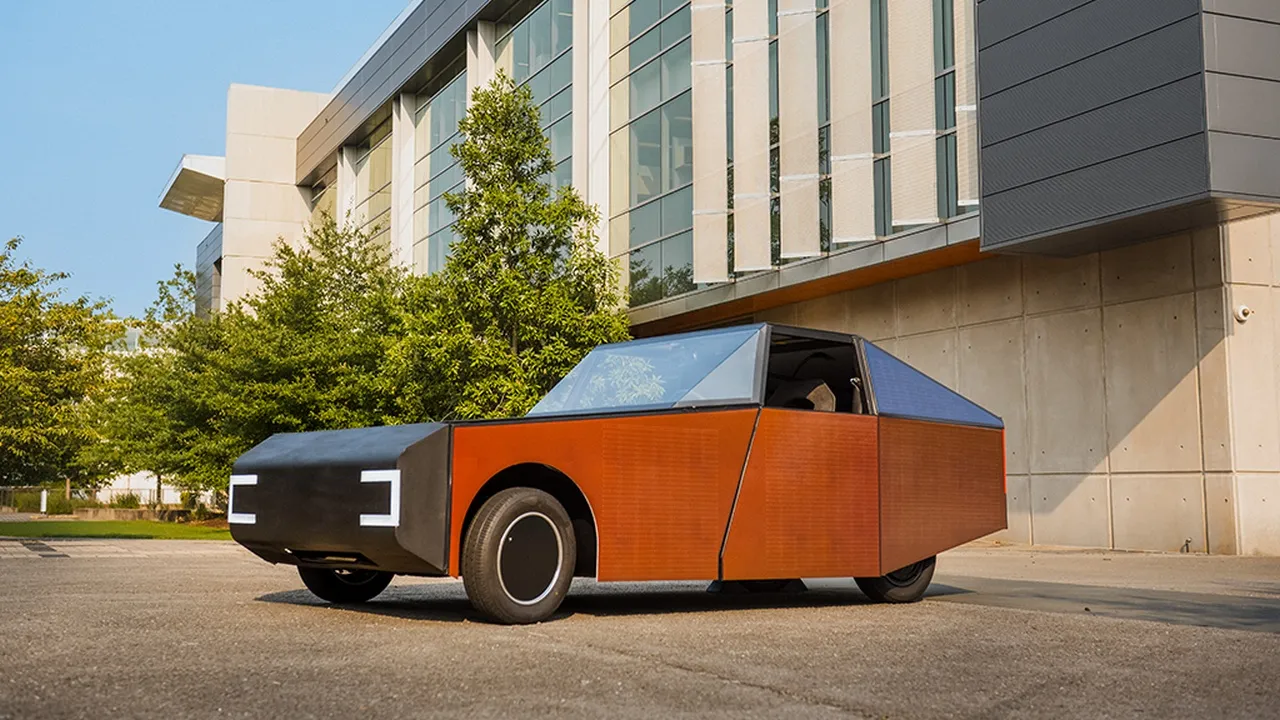
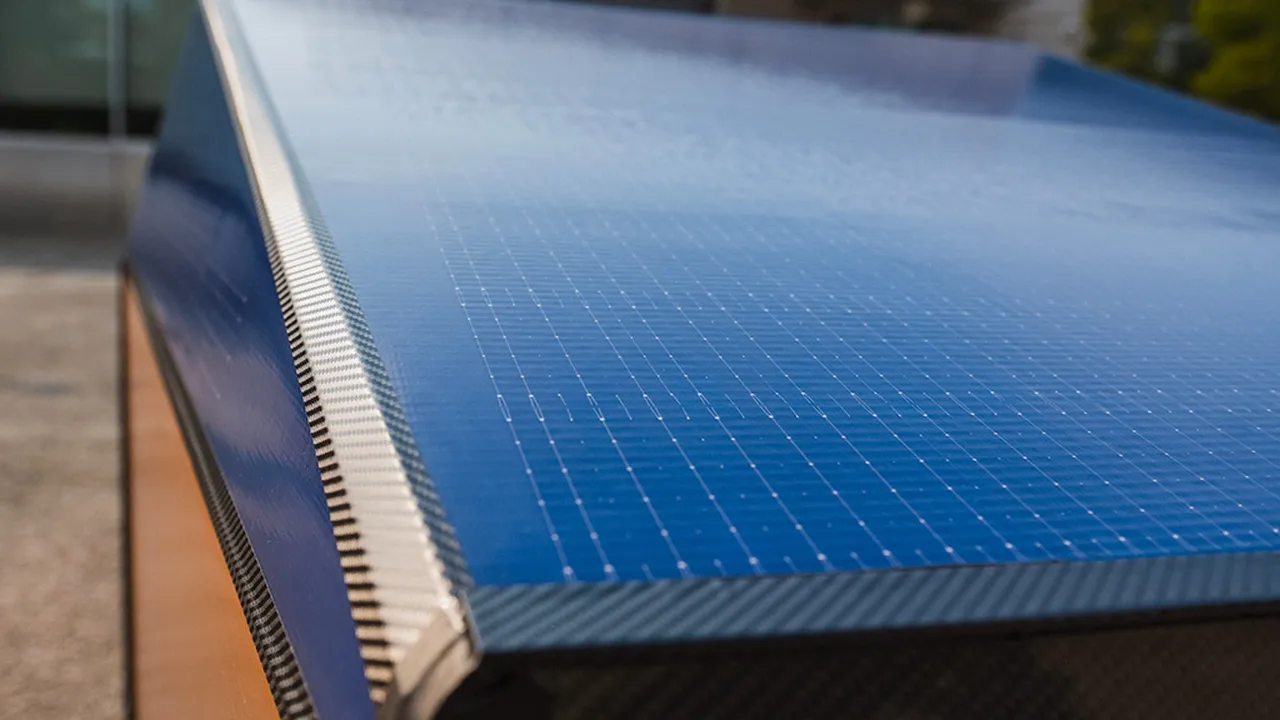
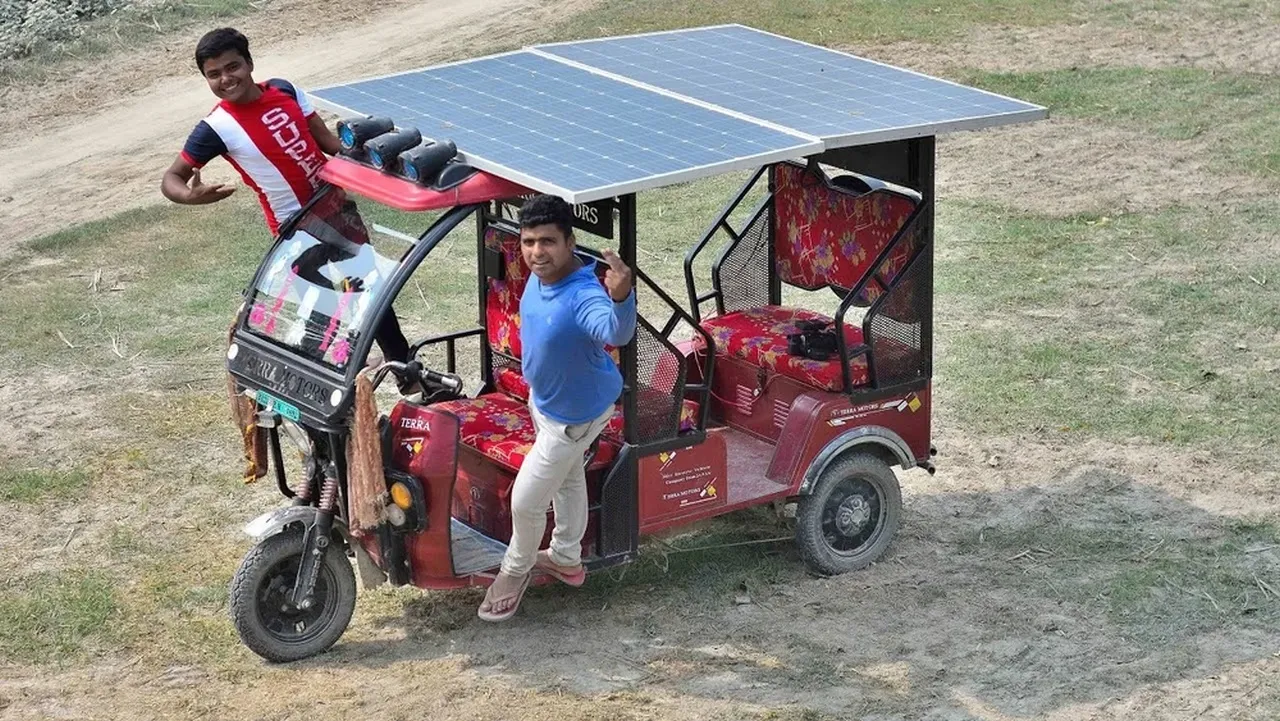
The experiment took place in South Carolina, a region with high levels of sunlight. In areas near our continent, similar conditions can be found in the Mediterranean or the Middle East—places where it is quite difficult to teleport from Poland for charging a vehicle for regular use. For such vehicles to be truly practical, it is necessary to increase their surface area while significantly reducing their mass. Indians came up with this idea ten years ago, and now they increasingly prefer to install photovoltaic panels on houses, opting instead to just upgrade the batteries in rickshaws.
Article Rating
Reader Ratings
[Total: 1 vote Average: 5]
Don’t miss new content — CLICK and FOLLOW Elektrowoz.pl on Google News. You might also be interested in the following ads: