
Details of the UNIA-CHINA agreement. Only 350,000 hybrids per year instead of 800,000 this year alone.
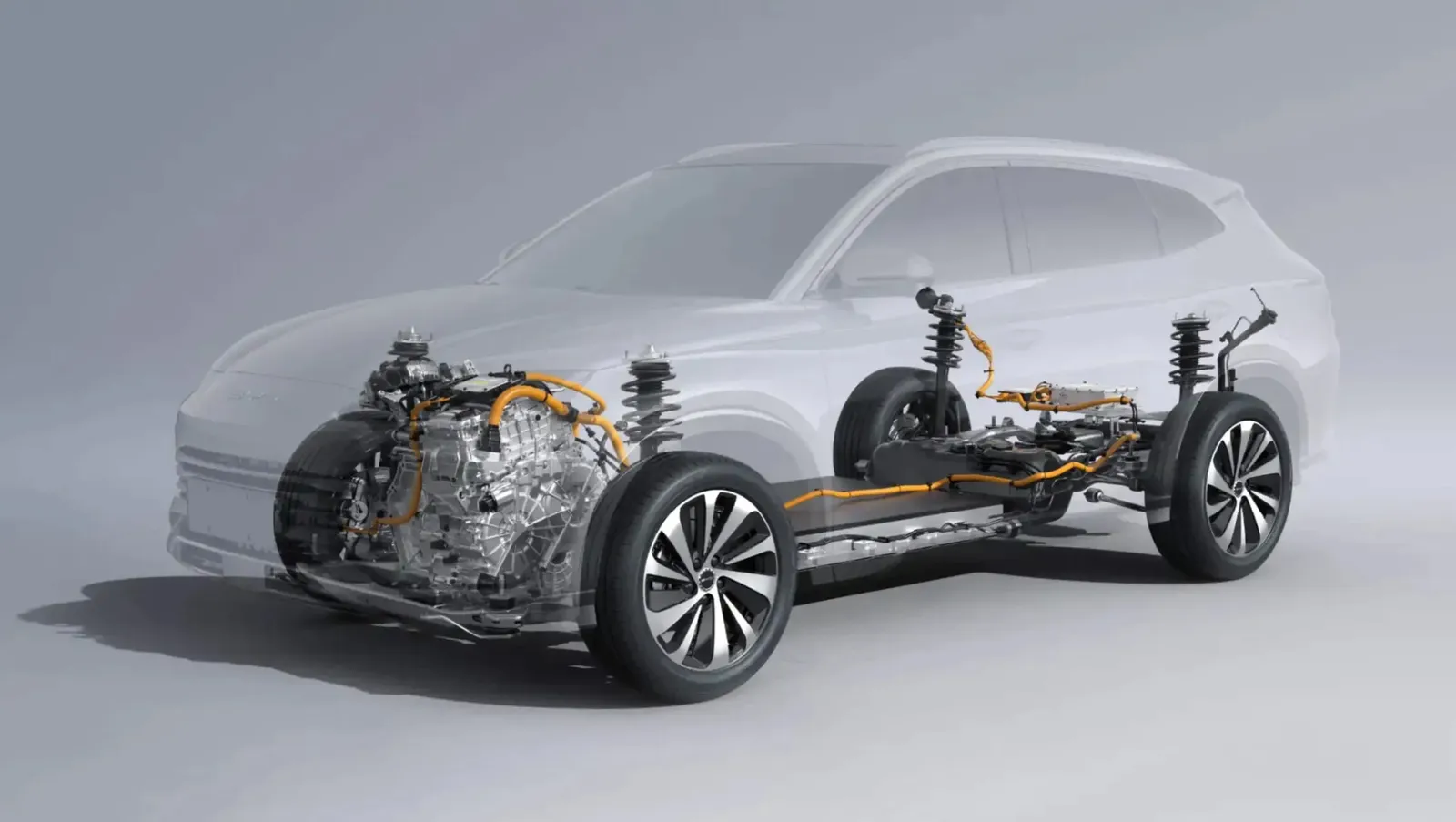
The hybrids, which became a convenient niche for Chinese manufacturers when the European Union slowed down electric cars with tariffs, are no longer a safe haven. Under the preliminary EU-China agreement, car makers from China will be able to sell only 350,000 units of HEVs and PHEVs here in 2026. Various estimates, however, suggested that this number could be 500,000, 600,000, or even 800,000 vehicles within 12 months.
The Chinese are agreeing to limit hybrid exports to the EU and take a smaller share of sales.
According to the latest updates on the agreement, the Chinese government has agreed to prevent its manufacturers from making as much profit in Europe as they could. Limiting sales to 350,000 hybrid vehicles instead of the projected 800,000 means that the market share for “Made in China” models will be an unexpected 25 (!), but only 11-12 percent. For comparison, in 2025 a total of 13.3 million cars were sold across Europe, including 5.84 million of all types of hybrids, including pseudohybrids (mHEV), which China essentially does not produce.
Plug-in hybrid, BYD Super DM-i
The 350,000-unit limit is set to take effect in December and will increase by 6 percent each year. Once reached, other cars will simply be held in ports. But this applies only to vehicles “Made in China.” Xpeng or BYD cars manufactured in Europe or elsewhere but not in China will be subject to separate, separately established limits—if any at all. In this way, the European Union aims to encourage Chinese entrepreneurs to invest on the Old Continent and produce cars there. At this stage, discussions focus solely on hybrids; electric vehicles have no limit and are only subject to previously set higher tariffs.
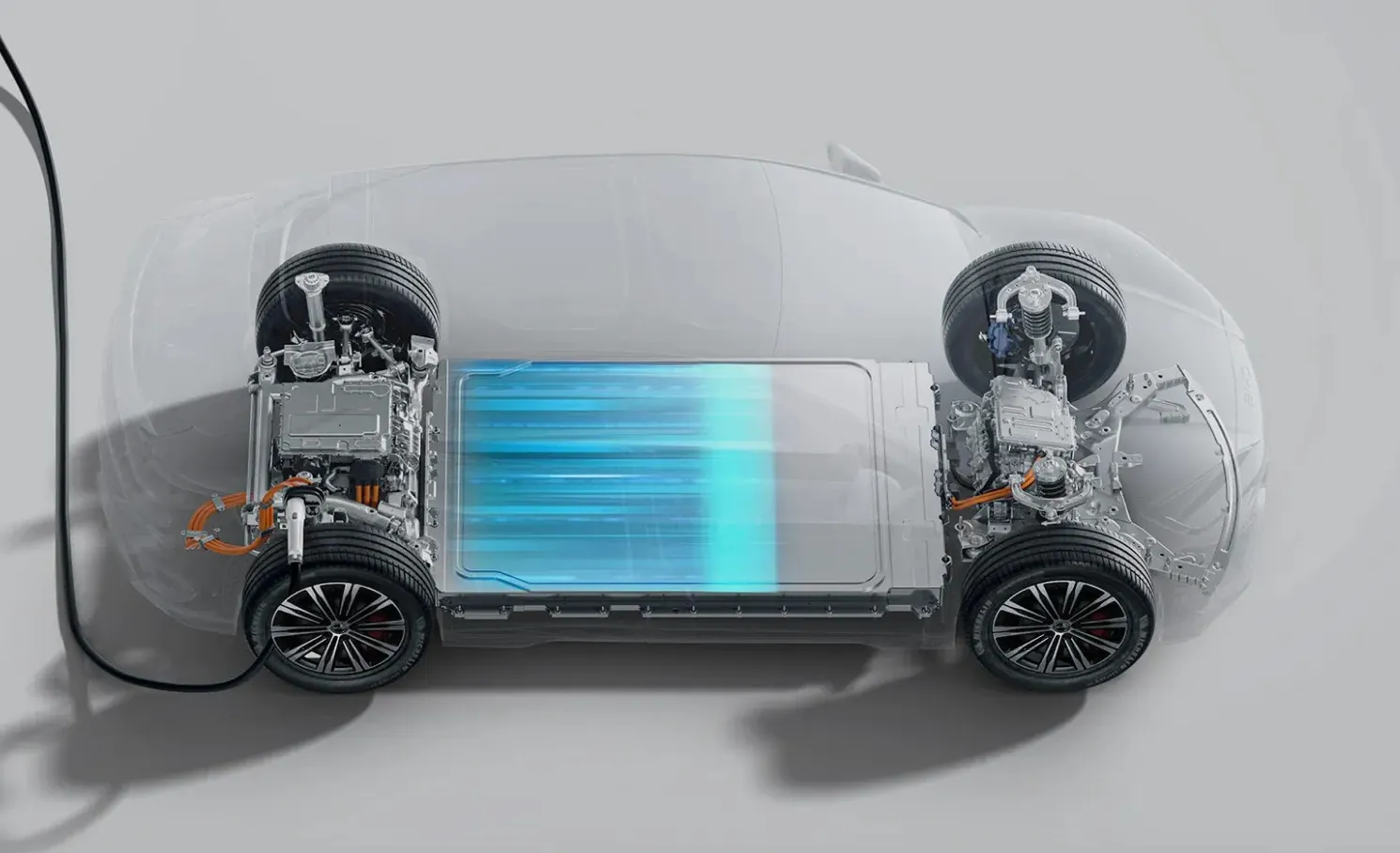
Electric cars produced in China face no restrictions, “only” higher tariffs.
China initially refused to agree to limits, but the European side, specifically Germany and France, threatened to completely block sales and initiate investigations under World Trade Organization rules. For the Middle Kingdom, appeasing its largest customer (the European Union), even if they started buying less, was a better option than going to war and completely shutting down trade (source). This is especially true since agreements regarding Europe’s access to rare earth metals remain weak, and the additional goods for which China reduced tariffs include car parts, oil, shoes, and… ice cream.
Editor’s note from Elektrowoz: those who want to buy a Chinese hybrid should probably hurry.
Article rating
Readers’ ratings
[Total: 3 votes Average: 5]
Don’t miss new content—CLICK and FOLLOW Elektrowoz.pl on Google News. You might also be interested in the following ads: