
Surprise, the Peugeot RCZ is back with an electric engine and a revolutionary battery
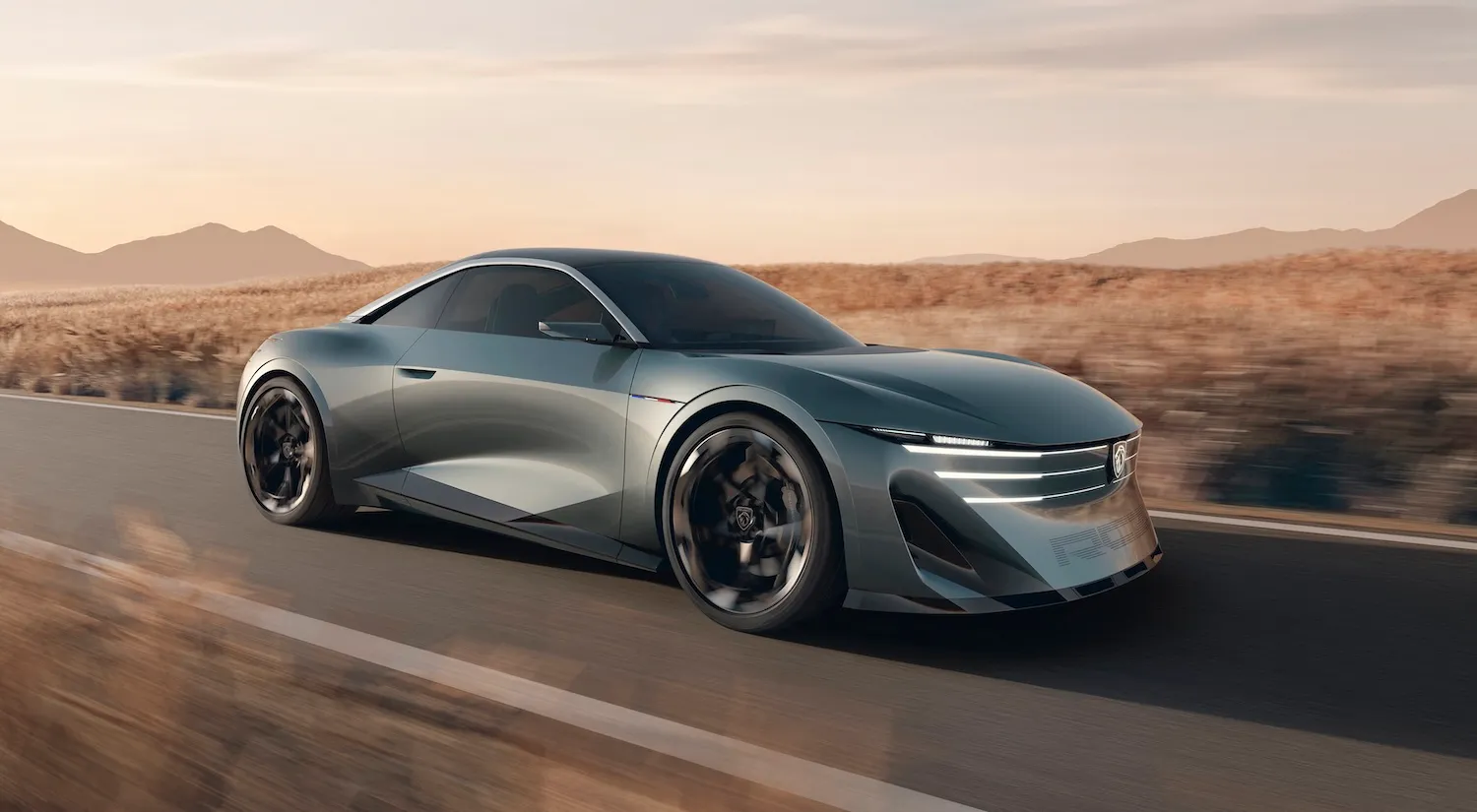
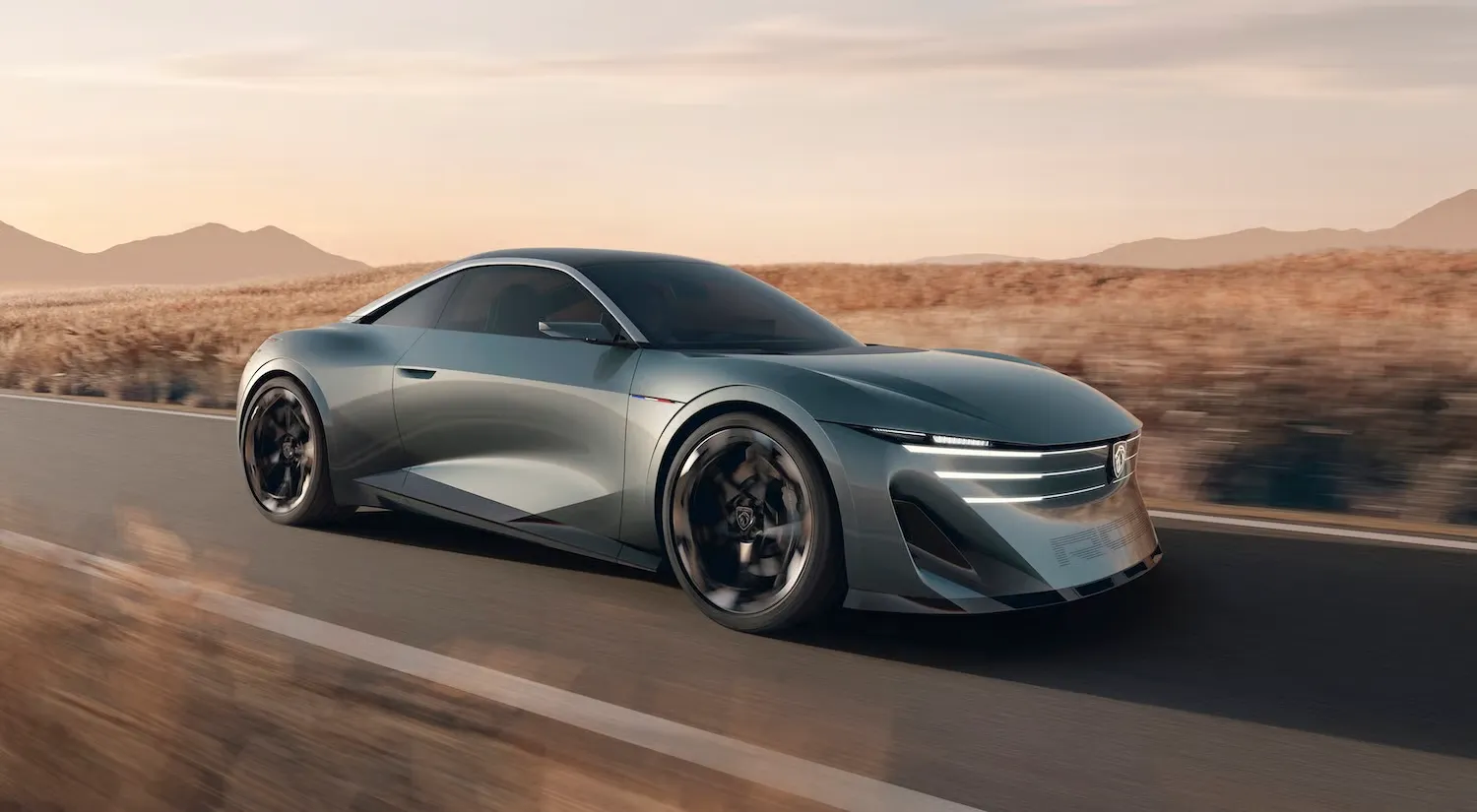
Peugeot has envisioned a new version of its compact RCZ coupe! This model combines elements from the first generation with the brand’s latest aesthetic trends. As an electric vehicle, it features a robust battery and a 1000V architecture. But it’s still just a concept car...
2CV, R8 Gordini, Espace... Revivals are on the rise at the World Motor Show. Yet this is a return no one expected! Peugeot has just unveiled the RCZ Vision concept car, the successor to the RCZ coupe sold from 2009 to 2015.
This concept represents a snapshot of Peugeot’s future, whether in terms of exterior design, interior layout, or technology. It aims to show that this future will be defined by pleasure. However, no production version has been confirmed yet.
The Past Meets the Future
This would be a welcome development, as Peugeot has lacked a standout model for several years. The RCZ was actually the last vehicle of this kind in their lineup. There is still hope for a positive outcome, as Alain Favey, the brand’s CEO since early 2025, wants to bring more excitement to Peugeot’s offerings. He has already worked to reintroduce the GTI badge with the 208.
With the RCZ Vision, Peugeot introduces its new design concept called “Feline Future,” a look inspired by the lion. The car is described as “a muscular yet peaceful animal” that exudes “visible power without aggression” and appears “slightly forward-leaning, ready to pounce.” This is reflected in features like pronounced shoulder lines, combined with soft, rounded shapes.
The new lighting signature reimagines the three claws as thin, horizontal elements surrounding the logo. Sharper headlights are positioned above them. This lighting signature is applied in a similar manner at the rear as well.
The original RCZ features accentuated fender arches that are slimmer and now appear to float, enhancing the glass bubble effect above the body. The roof also retains its dual bulge design. The car is equipped with 21-inch wheels at the front and 22-inch wheels at the rear.
Transparent Screens
The interior envisions what “the cockpit of a future Peugeot flagship model could be.” It’s true that we’re still far from a production vehicle with these transparent MicroLED screens, as the goal is to achieve a technology that remains discreet or even invisible. The dashboard itself avoids unnecessary bulk to optimize interior space. Between the front seats lies a set of physical controls crafted from aluminum, mounted on a matte glass panel.
One element, however, is not futuristic: it’s the original rectangular steering wheel, Hypersquare, which will be introduced in series in 2027 with the new 208 model. The four rings serve as controls that can be operated with the fingertips, allowing the hands to remain still. This steering wheel is paired with a mechanical-free steering system (100% electronic control). The system features variable steering gear ratios depending on speed, enabling all maneuvers without moving the hands as well.
This RCZ Vision can accommodate four people. The roof’s contouring provides the rear passengers with slightly more headroom. The interior is covered in Alcantara and an innovative recycled leather made from scraps.
Ultra-fast charging
This concept was envisioned for the next STLA One platform, a modular base designed to fit Stellantis’ future vehicles, from city cars to family SUVs. Electrically powered, this model boasts 500 horsepower. It features a solid-state electrolyte battery, the long-awaited revolution in battery technology. Its high energy density allows more electricity to be stored in a smaller space. The range is 600 kilometers.
Peugeot collaborated with Factorial Energy to create a battery that is only 110 mm thick, thus maintaining a low-slung coupe silhouette. Another surprise is the use of a 1000V architecture, which enables extremely fast charging times. Peugeot promises 80% charge in just 10 minutes. However, this is still far from production levels, and Peugeot hasn’t provided further details on charging capacity or speed.
It’s not just the steering that is electronic; the brakes are as well. With “Brake-by-Wire” technology, the hydraulic connection between the pedal and the brakes is replaced by an electronic control system “that provides even more precise braking control and seamless integration of regenerative braking, benefiting energy efficiency and driving comfort.”
Thus, while many elements of this concept may not see further development, it is hoped that the model itself will!