
Study: Effects of the shift to electric vehicles on employment and skills
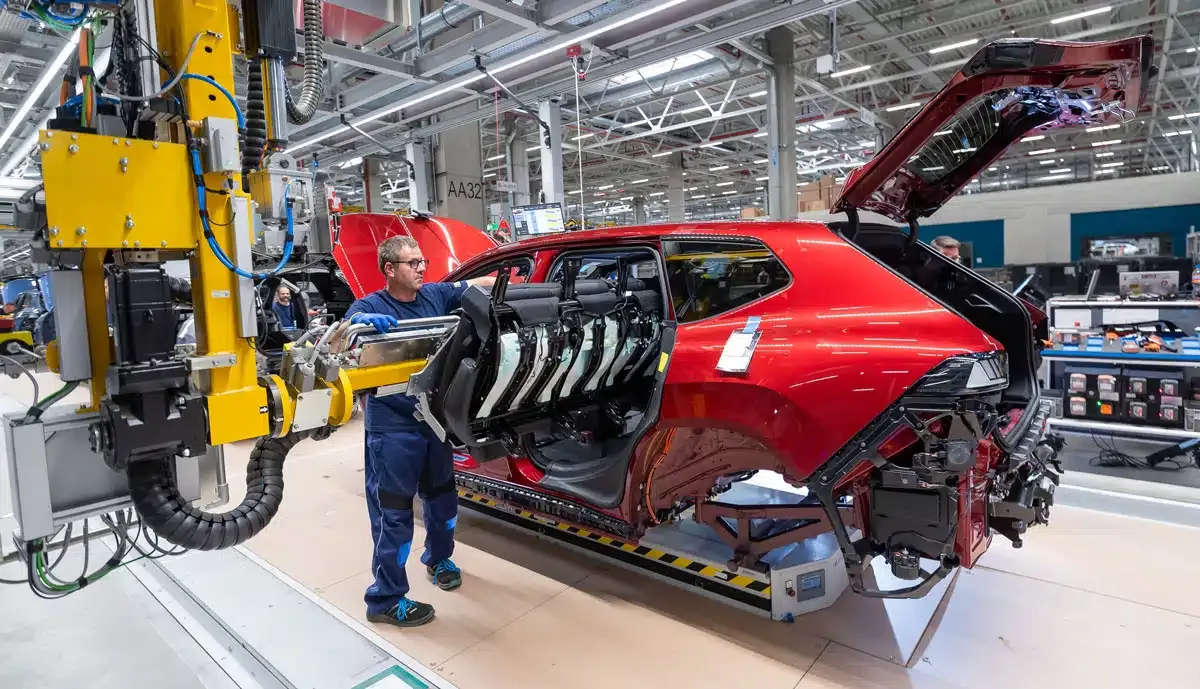
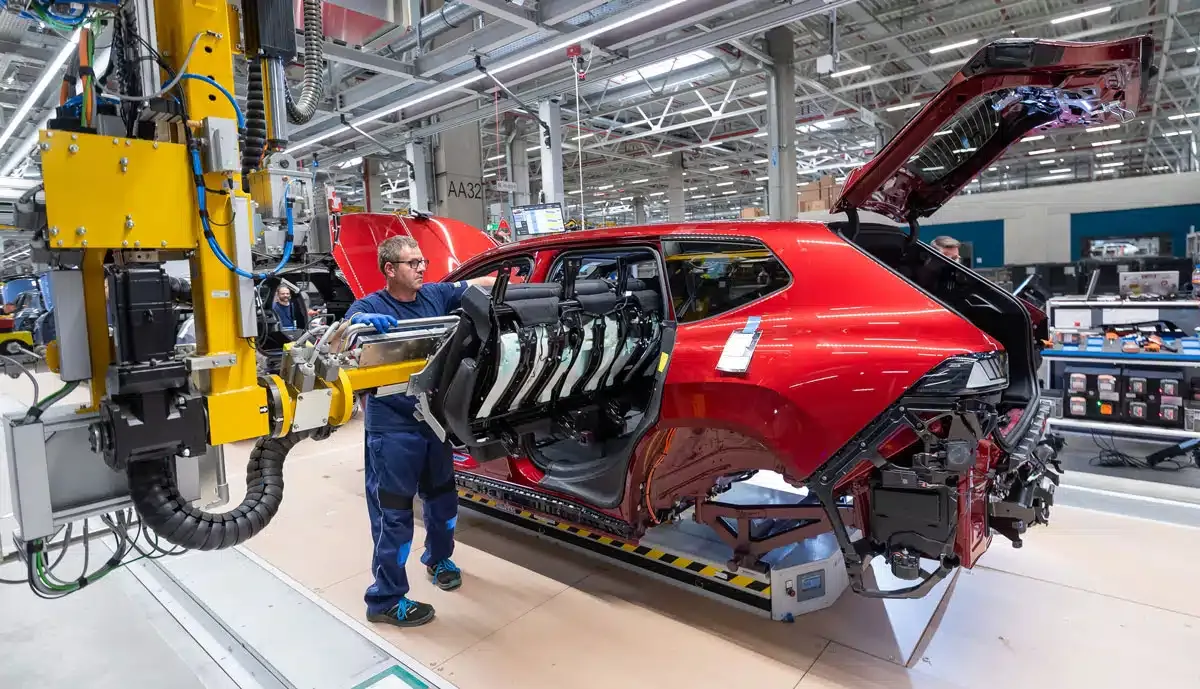
Image: BMW (illustrative)
More than six million people work directly in the automotive sector of the European Union. A new joint study by the Organization for Economic Co-operation and Development (OECD) and the European Commission outlines a profound structural transformation driven by electrification, digitalization, increasing competition from China, and demographic changes.
Overall employment in the industry remained largely stable between 2008 and 2025. However, this is due to a decline in employment in vehicle manufacturing and the supply industry since 2019, as well as a shift of traditional Western European automotive production sites to Central and Eastern Europe.
Industrial production is particularly under pressure. According to data analyzed by the OECD and the EU Commission, employment in vehicle manufacturing declined by nearly 9% between 2019 and 2023. The parts industry also lost many jobs during this period, with more major restructuring announcements emerging in 2024 and early 2025. These changes affect European regions differently: Central and Eastern Europe has taken on a larger share of assembly and parts-related employment in recent years, while traditional automobile regions in Western Europe have relatively lost ground.
Meanwhile, electrification and digitalization are transforming supply chains. According to the latest study, the share of inputs from other EU countries rose from 18 percent in 1995 to 25 percent by 2025. At the same time, reliance on Chinese suppliers increased, especially for batteries and advanced electronics. As a result, industrial value creation is shifting not only within Europe but also toward new technological components and international supply chain structures.
New Requirements for Employees
The structural changes also alter the requirements for workers. According to the OECD and EU Commission, nearly 80 percent of employees in vehicle manufacturing report significant changes in their working environment. About one-third experience these changes without accompanying training, while this figure is around 40 percent among suppliers. The study finds that larger vehicle manufacturers often have established training systems and processes to identify new skill requirements early. Smaller suppliers and vehicle sales companies are, on average, less equipped for this purpose.
The financial consequences of losing a job are particularly severe. Workers in the automotive industry who lose their jobs due to large-scale layoffs or plant closures earn, on average, 57 percent less in the first year afterward compared to similar workers who retain their jobs. In the service sector, this income gap is only 43 percent. Even in the long term, a significant difference persists: six years after losing their job, these workers still earn 20 to 25 percent less than similar employees who did not lose their jobs. The analysis is based on harmonized employer-employee data from eleven European OECD countries.
At the EU level, new tools are therefore intended to support the transition to other types of employment. The European Commission launched a funding call at the end of 2025 for the “European Skills Guarantee,” funded with 14.5 million euros. By July 2026, six pilot projects had begun, aiming to assist nearly 1,000 workers in the automotive industry at risk of job loss through further training, retraining, and support in transitioning to growing or strategic sectors. These projects are being implemented in countries such as Germany, Austria, Italy, Poland, Slovakia, and several other EU states.
Also interesting
About the author
Thomas Langenbucher is an expert in electromobility with professional experience in the automotive industry and finance sector. Since 2011, he has been covering electric vehicles, sustainable technologies, and mobility solutions for ecomento.de. Learn more.
Reader interactions
