
Strabag tested electric construction machinery. A local energy storage system proved useful, the equipment was more expensive, but operation costs were lower.
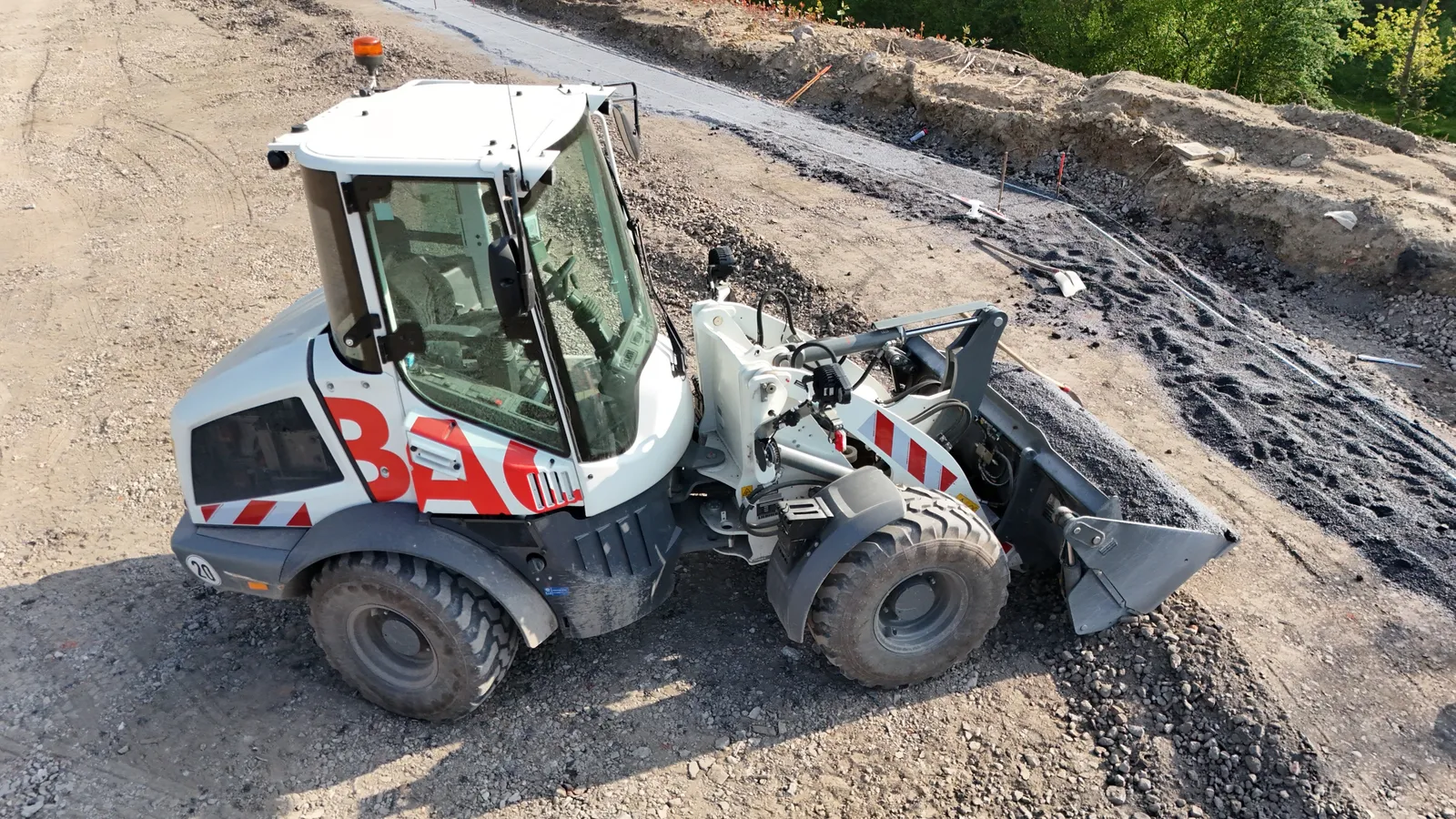
Strabag’s German branch claimed to have tested electric construction machinery in practice at the site under renovation of a land treatment plant in Oberhausen, Germany. The company concluded that their performance is comparable to traditional machinery. Although the purchase cost is higher, operating expenses are significantly lower: energy costs were reduced by about 90 (!) percent. However, much depends on the local electrical infrastructure needed to charge the machines.
Electric machinery on construction sites. It’s possible, but you need to address the challenges.
The perhaps most important information is that even with heavy construction equipment, electric machines can match conventional vehicles powered by diesel engines (source). The company didn’t hold back, using a total of 11 electric machines, including a 25-ton excavator, a wheel loader, a mobile crane, and an autonomous road paver used for compacting surfaces. It was also explicitly noted that the range of available equipment is not yet as wide as that of traditionally powered vehicles.
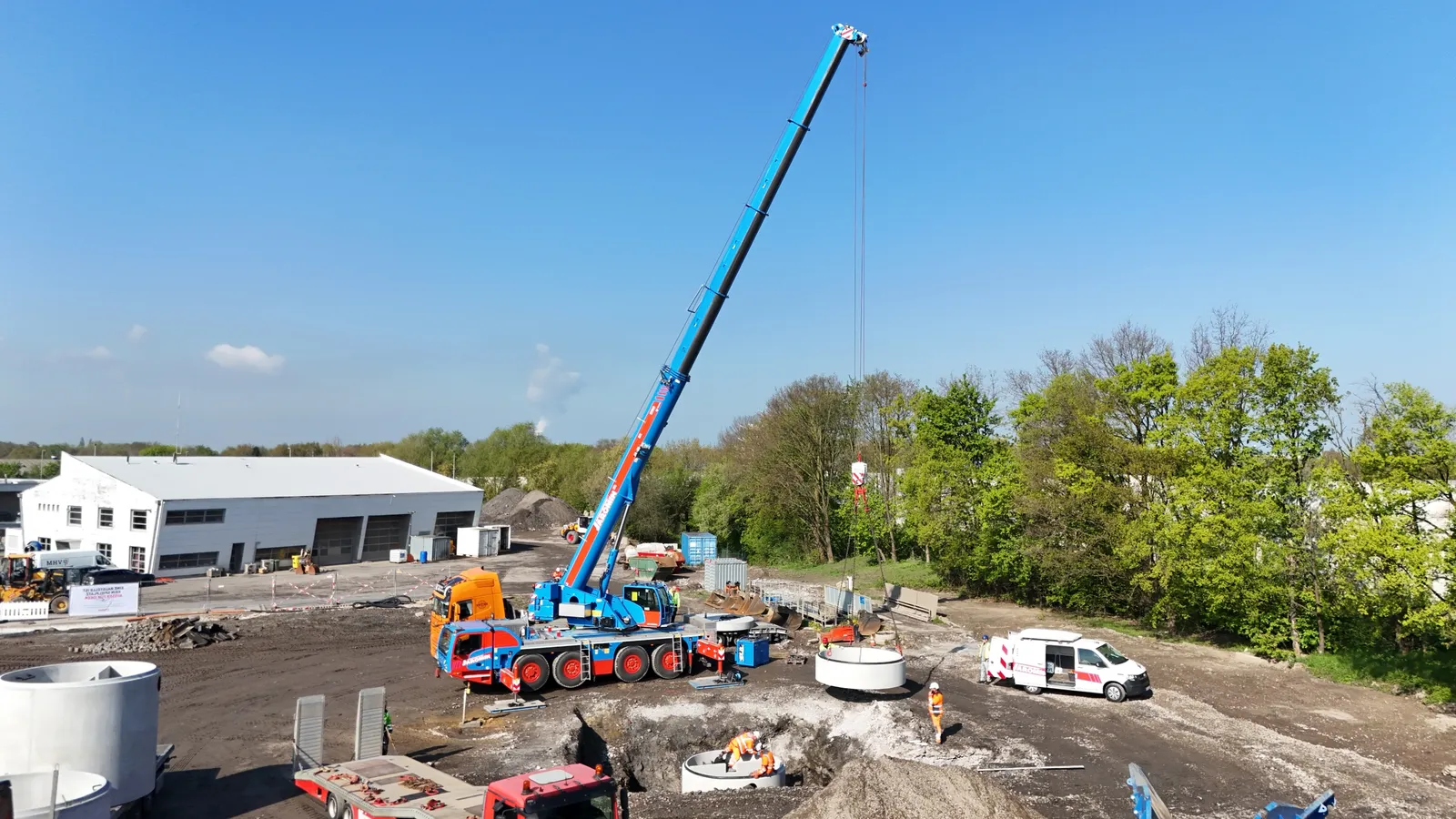
A significant addition was a local energy storage system with a capacity of 153 kWh, which allowed the machines to be charged using green energy. After all—another factor mentioned in favor of electrification—is that efficient chargers aren’t available everywhere. The higher initial cost of the equipment can be partially offset by lower operating costs; in this case, electricity was about 90 percent cheaper than fuel. Another advantage of these devices was their significantly lower noise level during operation. However, in addition to fully electric models, traditional versions were also introduced, powered by HVO100 fuel, an engine oil derived from plant sources.
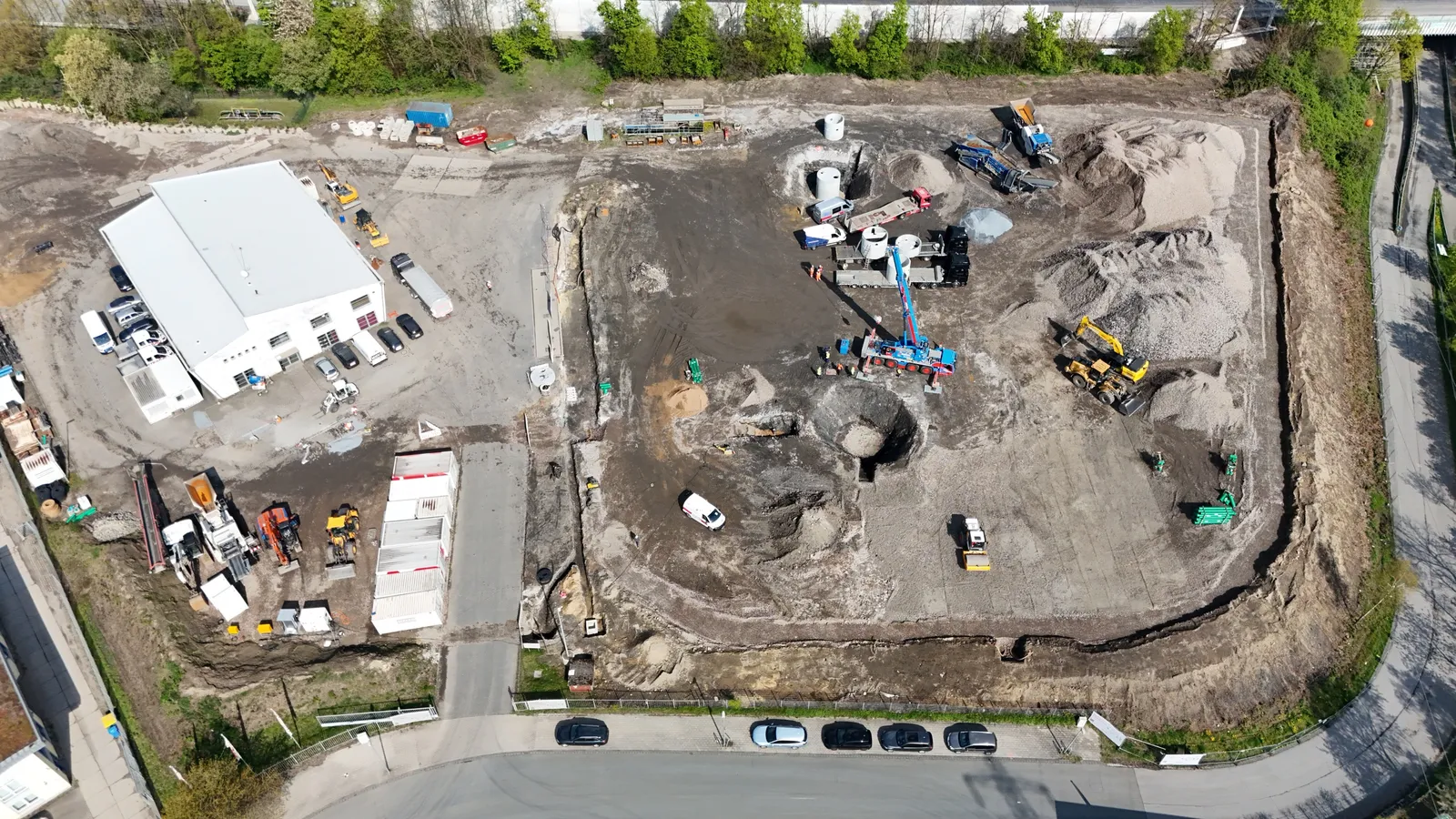
In Oberhausen, a soil remediation facility owned by Strabag was rebuilt. Demolition work was carried out, and fill materials totaling 20,000 tons were removed. The reinforced old surface was reused in recycling to form the base for a new site. In addition, earthwork, civil engineering, and asphalt-related tasks were performed. Thanks to this investment, the facility’s capacity increased from 120,000 to 350,000 tons of soil per year.
Article Rating
Readers’ Ratings
[Total: 3 votes Average: 4.3]
Don’t miss new content—CLICK and FOLLOW Elektrowoz.pl on Google News. You might also be interested in the following ads: