
Stellantis is preparing over 30 new models with STLA One: the Peugeot E-208 will be the first
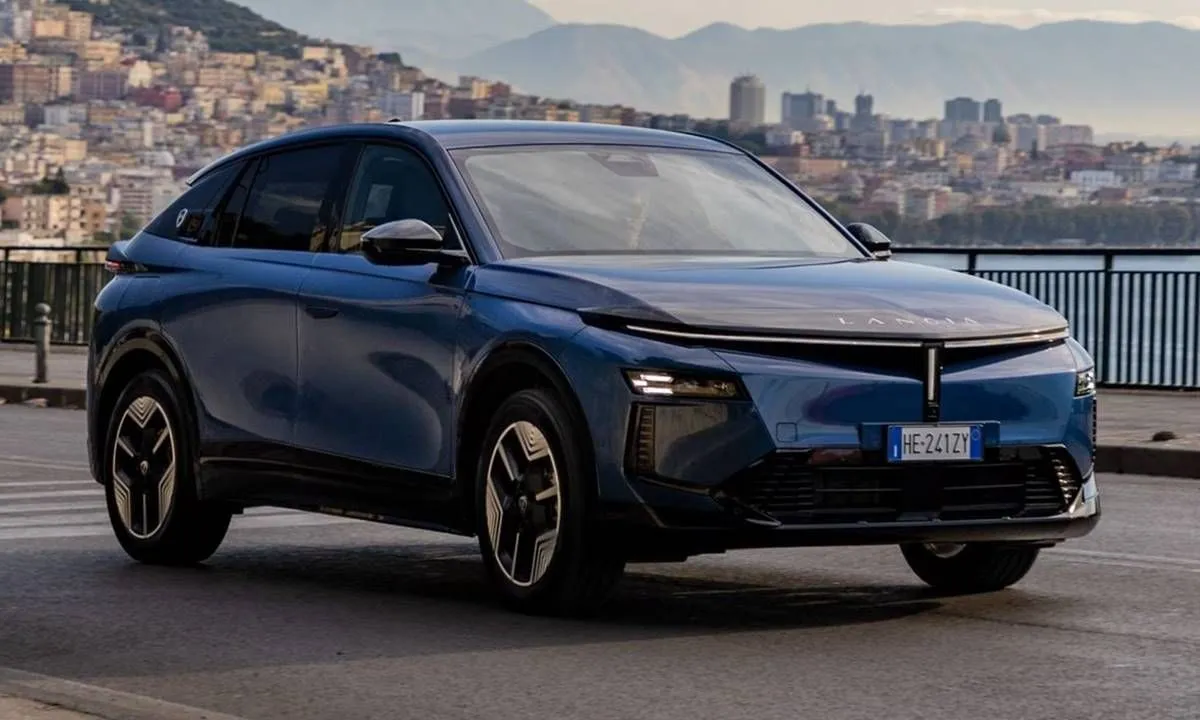
Stellantis aims to simplify the development of its upcoming vehicles and cut manufacturing costs through a new platform that will be used across much of its future lineup. The strategy involves leveraging a single technical base for models of different sizes and brands, thereby avoiding the need to develop a distinct architecture for each vehicle.
The automotive group faces the challenge of updating its core models in a European market that is moving toward electrification, yet where internal combustion engines still play a significant role. Therefore, its new architecture must meet the requirements of both technologies and enable brands such as Peugeot, Opel, Citroën, and Jeep to offer products tailored to various customer segments.
The first vehicle to feature this new platform will be the next generation of the Peugeot E-208, scheduled for release in 2027. From there, Stellantis plans to apply it to a wide range of models, from urban cars to family SUVs, aiming to regain competitiveness and boost sales.
STLA One will gradually replace other Stellantis platforms
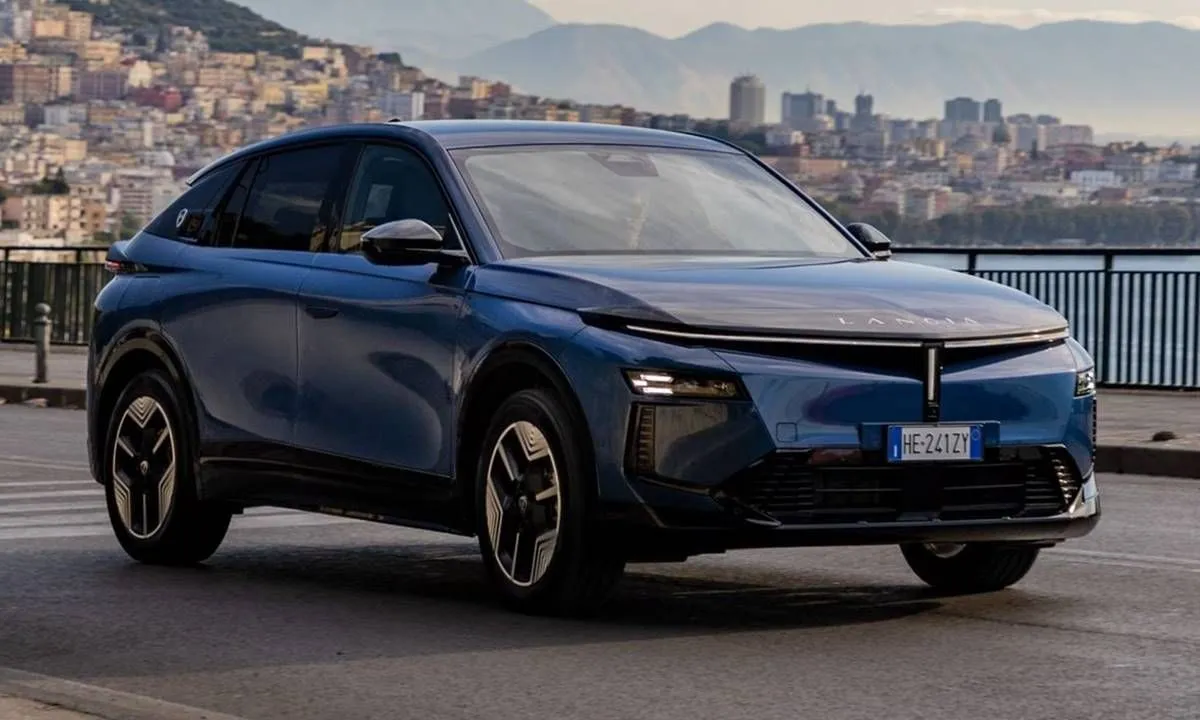
To date, Stellantis has focused its technological renewal on several architectures, including STLA Small and STLA Medium. The latter is already used in models such as the Peugeot 3008, Peugeot 5008, Jeep Compass, and the new DS 7 and DS 8. However, the group’s plans have changed with the introduction of STLA One, a modular platform designed for various propulsion systems.
Derived from STLA Small, this new technical platform will be adaptable to vehicles in segments B, C, and D. This means it will serve both urban cars and compact models as well as family SUVs, while also allowing for the installation of electric motors and electrified internal combustion engines. Stellantis aims to produce up to two million vehicles using this architecture by 2035, a figure that illustrates its importance in the company’s industrial strategy.
In any case, the transition will not be immediate. The STLA Medium platform will continue to be used, especially since it powers recently launched models and because the group needs to maintain a range of cars with hybrid engines at competitive prices. The new architecture also does not mean that all brands will abandon their current platforms at the same time.
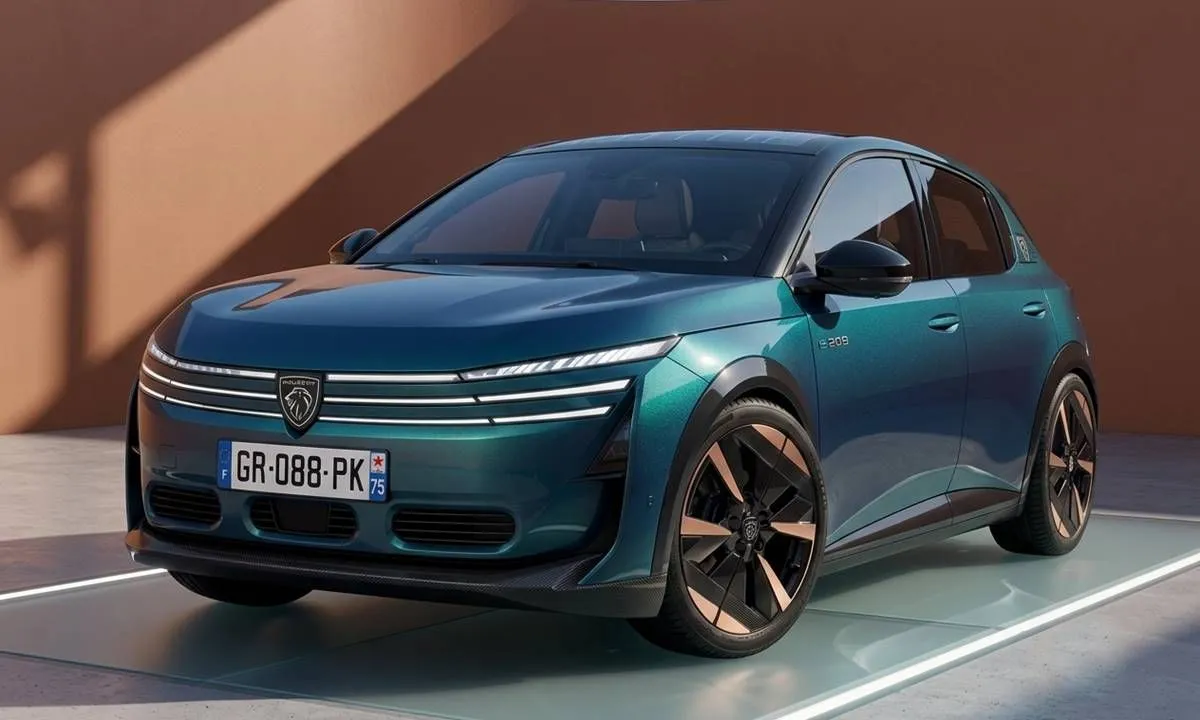
This is the case with the Peugeot 208. The next generation of the E-208 will use STLA One, but it will be available exclusively with electric powertrains. The current Peugeot 208, on the other hand, may continue to be sold alongside it, possibly with a cosmetic update that brings it closer in design to its successor and allows it to remain on the market with electrified combustion engines for a longer time.
This separation would allow Peugeot to update its electric lineup without immediately losing customers who still seek a hybrid city car. This approach also addresses the need to spread development costs and make the most of investments made in previous model generations.
Lower costs, more technology, and faster charging
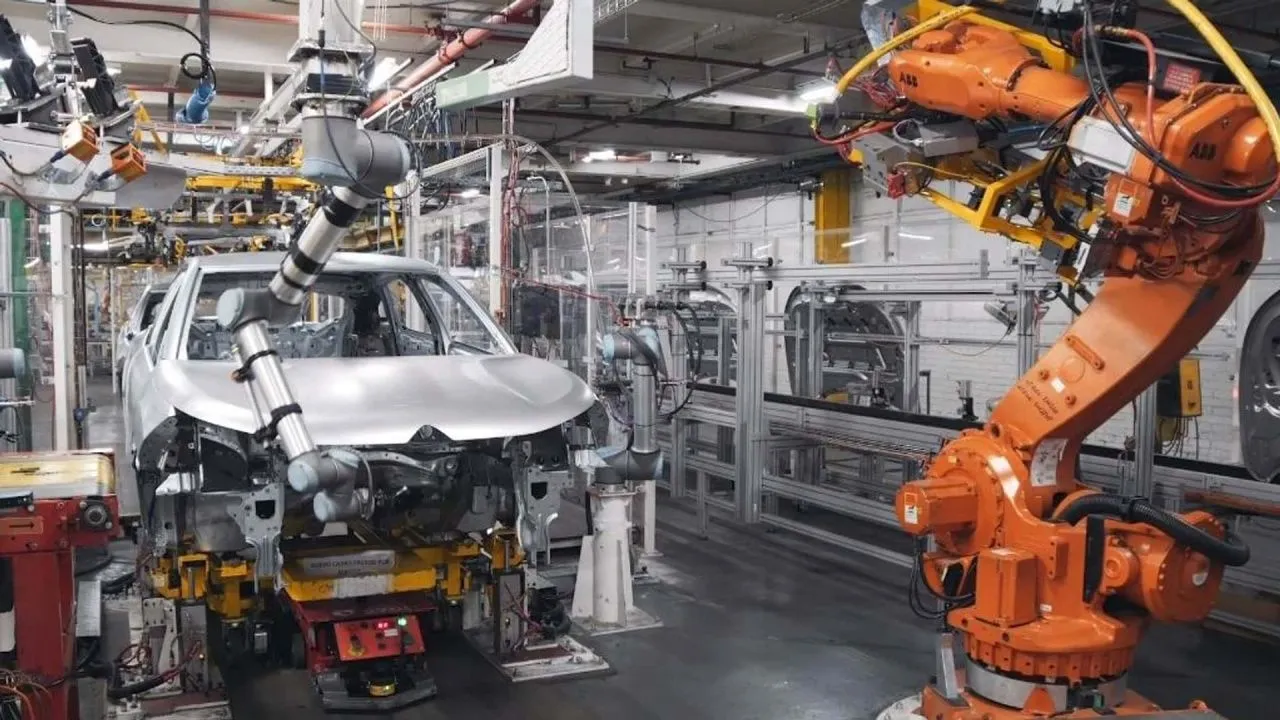
One of the goals of STLA One is to reduce development and manufacturing costs. Its modular design will allow components to be shared among vehicles of different sizes, with specific solutions for each propulsion system. Stellantis estimates that this strategy can improve cost efficiency by 20%, while also enabling the reuse of up to 70% of components within its global platform strategy by 2030.
The company also aims to shorten the development time for its new models. The architecture is designed to work with the electronic STLA Brain system and the digital STLA SmartCockpit platform, developed in collaboration with technology companies such as Amazon and Qualcomm. These solutions will enable the integration of connected services, artificial intelligence features, voice assistants, and remote updates, with options for customization tailored to each brand.
In the case of electric vehicles, STLA One will support an 800-volt architecture, a technology that enables high charging speeds when the vehicle and charging station are compatible. It will also facilitate the use of LFP batteries, a chemistry that can help reduce costs compared to NMC batteries and lessen reliance on raw materials such as nickel and cobalt.
Another key aspect will be integrating the battery into the vehicle’s structure itself through cell-to-body technology. With this approach, the battery is no longer considered a separate component but becomes part of the vehicle’s structure, aiming to reduce weight, complexity, and manufacturing costs. All of these factors will be crucial for Stellantis’ future electric models to compete on price without compromising on performance.
The new Peugeot E-208 will debut with the Hypersquare steering wheel
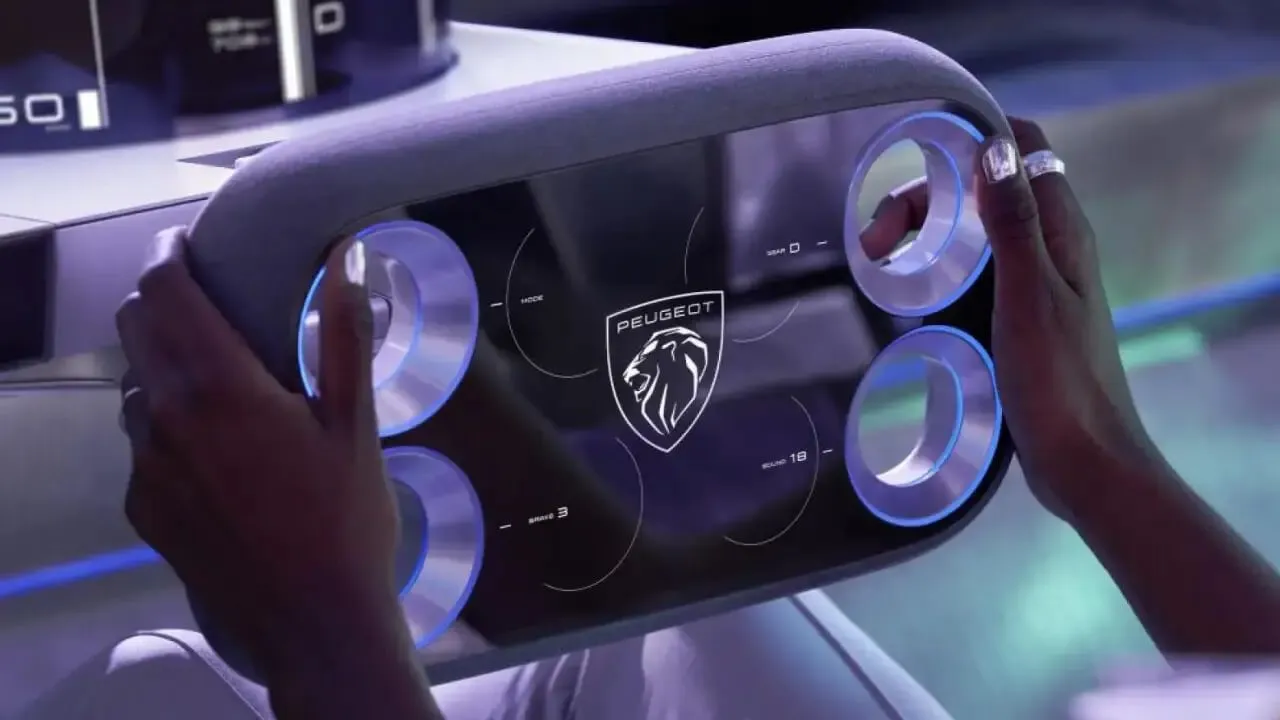
The next generation of the Peugeot E-208 will be significant not only for introducing a new platform but also for bringing in new steering and control solutions that could be applied to other models of the brand. Among these is electronic steering without direct mechanical connection between the steering wheel and wheels, known as steer-by-wire.
This system allows the steering ratio to be adjusted using electronic controls and motors, without relying on conventional mechanical connections. In the configuration described for the new model, only about 170 degrees of rotation to each side from the center position is needed to reach the full steering angle, which provides a much more direct feel than typical in a sedan.
This technology would be combined with the Hypersquare steering wheel, a rectangular piece with four openings that house various controls. Its design represents a significant change from traditional round steering wheels and aims to offer a different interaction with the car’s systems. However, such a distinctive solution might raise doubts among those who prefer a more conventional driving experience.
Therefore, it is possible that Peugeot will reserve the Hypersquare steering wheel and electronic steering system for certain higher-end versions or trims, while keeping traditional configurations in other variants. For now, we will have to wait for the final lineup to be announced to know what features will be available in each version of the E-208.
Opel Corsa, Peugeot 308 and E-2008: the next ones on the list
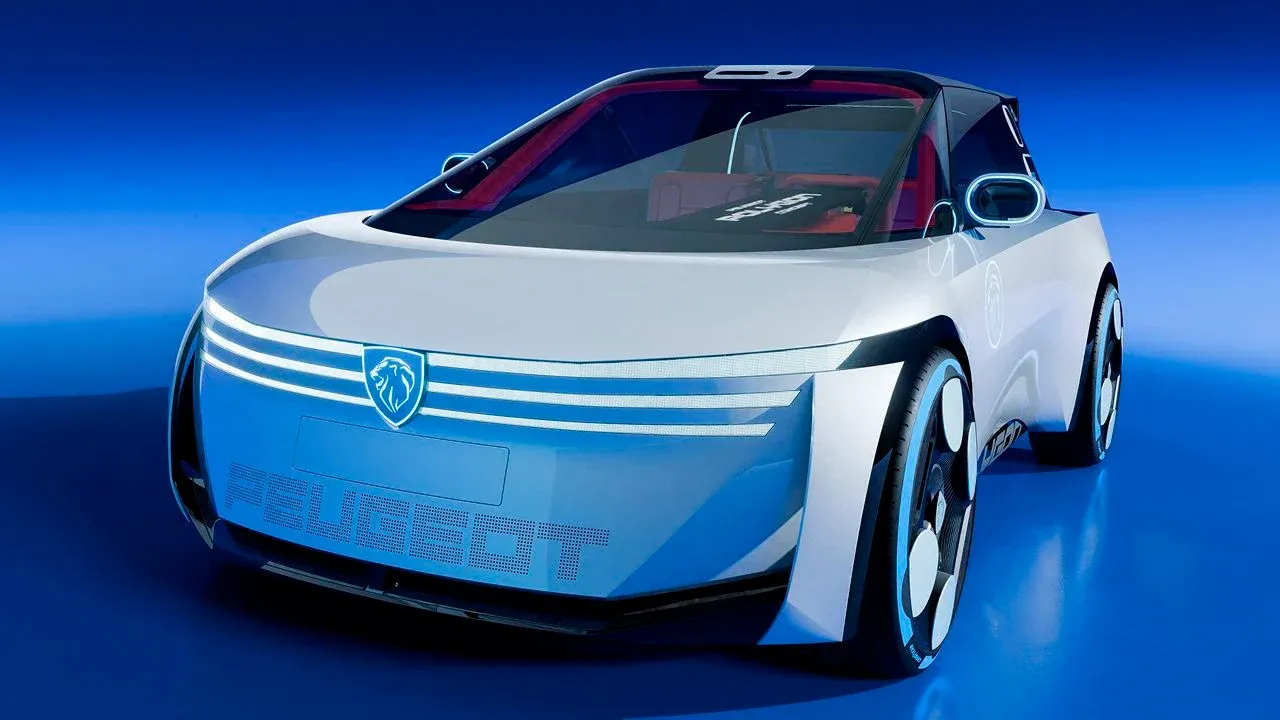
Following the Peugeot E-208, one of the models set to benefit from the new architecture will be the Opel Corsa Electric. Its next generation is scheduled for 2028 and will share much of the technical foundation with the Peugeot, though Opel will be able to maintain its own identity in terms of exterior and interior design. It is also expected to feature its own control solutions, rather than necessarily using the Hypersquare steering wheel.
The updates will continue with the Peugeot 308 and its family version, which is set to arrive in 2028, followed by the new generation of the Opel Astra. In these cases, the platform will allow for combining electric versions with hybrid powertrains, a significant difference from the future E-208, which is planned to be available exclusively as an electric vehicle. This strategy would enable using the same architecture to meet various needs without forcing all models to adopt the identical propulsion system.
The next step could be the Peugeot E-2008, which would also adopt the STLA One platform and expand the brand’s offerings in the urban SUV segment. Here, the possibility of combining electric motors with electrified internal combustion engines would allow for a broader range of options, though details about future versions remain to be confirmed.
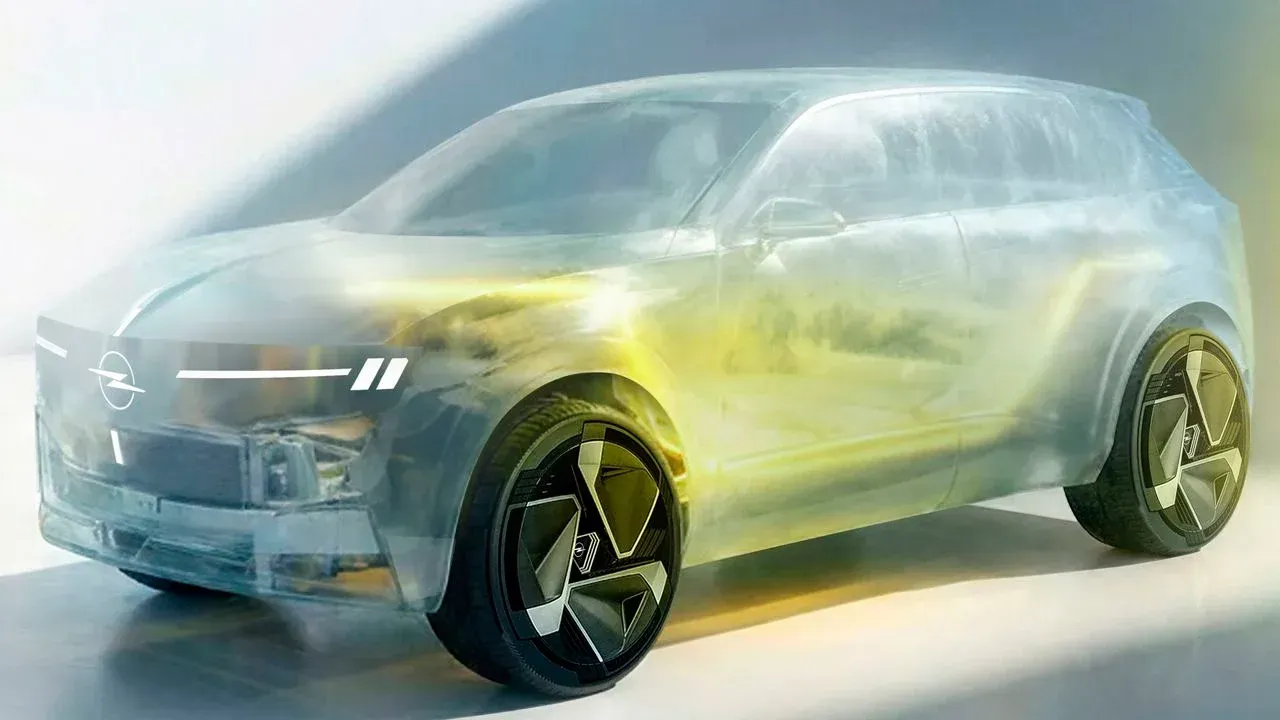
In the future, this platform might be used in upcoming Peugeot 3008 and 5008 models as well as the Opel Grandland. Updates to these family SUVs are not expected until 2030 or 2031, so there is still time to learn about their final specifications. The future Citroën C5 Aircross could also be part of the plans, although its current generation uses STLA Medium and it is not confirmed when it will switch to a different architecture.
That doesn’t necessarily mean STLA Medium will disappear. Stellantis might keep it, with the necessary modifications, for larger vehicles or higher-end models. In that scenario, future Alfa Romeo models could also benefit from it, though there’s no confirmation yet of which specific cars will follow that path.
The strategy will differ for smaller and more affordable models. Citroën and Fiat might continue to use the Smart Car platform in some of their models, while future urban models developed through collaboration with Leapmotor will have a different technical base. These include new models inspired by the Citroën 2CV and its potential Fiat equivalents, scheduled for release in 2028, as well as an upcoming compact SUV from Opel that will be manufactured in Zaragoza using architecture from the Chinese manufacturer.
In summary, STLA One will be one of the key components in Stellantis’ transformation over the coming years. The company aims to reduce industrial complexity, accelerate the development of new models, and make better use of its technologies to deliver more competitive electric vehicles without abandoning hybrid powertrains immediately. The Peugeot E-208 will mark the first step in this rollout, which, if the announced plans are fulfilled, will affect more than thirty models by the end of the next decade.
The challenge will be to pass on those cost savings to final prices and deliver products capable of competing in an increasingly demanding European market. Sharing platforms can reduce costs, but the outcome will also depend on batteries, equipment, the efficiency of each model, and Stellantis’s ability to execute its industrial plans on schedule.