
Stellantis has patented a system for removing electric vehicle batteries
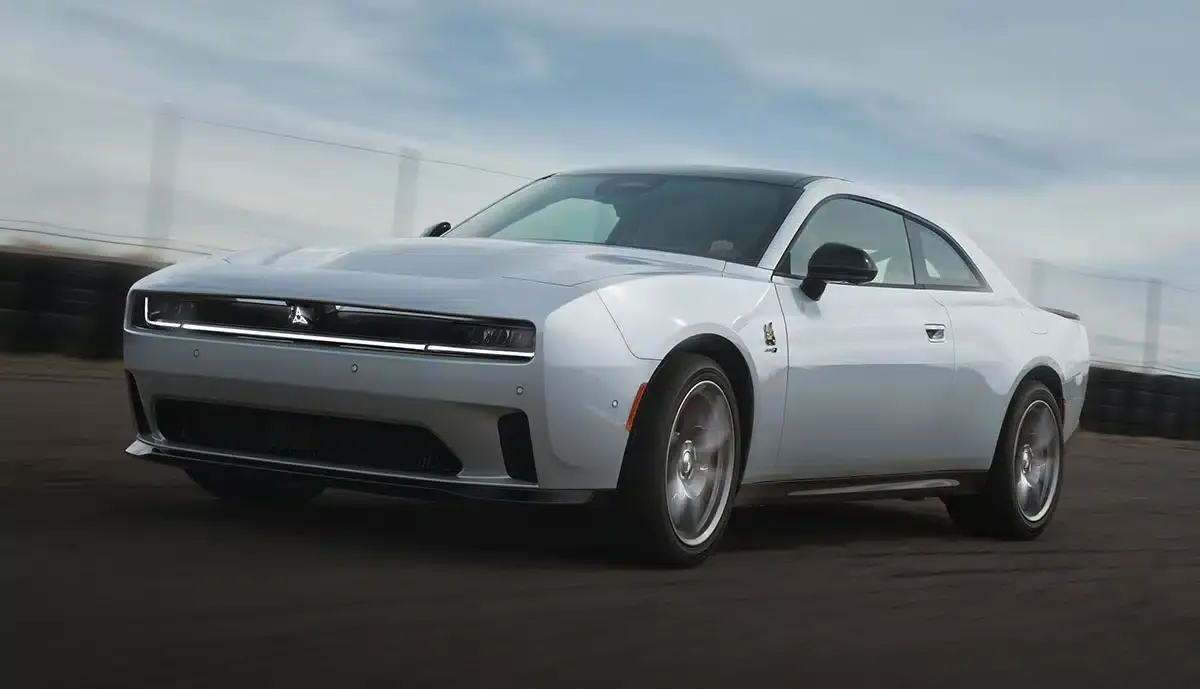

Image: Stellantis (illustrative)
The European automaker Stellantis has patented a safety system that allows the high-voltage battery of an electric vehicle to be completely separated from the vehicle in dangerous situations. The U.S. patent application published in September describes a design that can release the battery pack in case of overheating or damage. FCA US, a subsidiary of Stellantis, is listed as the applicant.
The system combines an electrical disconnection with a mechanical release. First, the high-voltage connection is interrupted, followed by the removal of the battery’s fastenings. The patent document proposes two methods for this: movable frame elements or pyrotechnic connection elements that enable controlled separation. In either case, the battery pack is intended to fall to the ground beneath the vehicle.
Activation is achieved through a quick-release mechanism, which can be in the form of a lever, button, or touchscreen control. Corresponding devices are provided both inside the cabin and in the trunk. This allows not only passengers but also rescue personnel to disconnect the battery from the vehicle. Automatic activation via vehicle sensors is not specifically described in the application.
A unique feature is the intended continued movement of the vehicle after the battery is jettisoned. To achieve this, the electric motor is supposed to be temporarily powered by a separate low-voltage battery, such as one with twelve volts. According to the patent document, this would allow the vehicle to travel a limited distance away from the discarded battery. Specific details regarding the possible distance or driving power are lacking.
Unlike conventional high-voltage shutdown systems, this concept enables a complete physical separation between the battery and the vehicle. However, it raises additional safety concerns, such as those related to a battery pack left on the road or the stability of the detachable fastenings in the event of an accident.
The development is based on a registration from March 2023. The corresponding U.S. patent 12,643,407 was granted in June 2026. The documents cover both fully electric and partially electric vehicles. Stellantis has not yet announced any mass production, specific vehicle models, or introduction in Europe.
Also interesting
About the author
Thomas Langenbucher is an expert in electromobility with experience in the automotive and financial industries. Since 2011, he has been covering electric vehicles, sustainable technologies, and mobility solutions for ecomento.de. Learn more.
Reader interactions