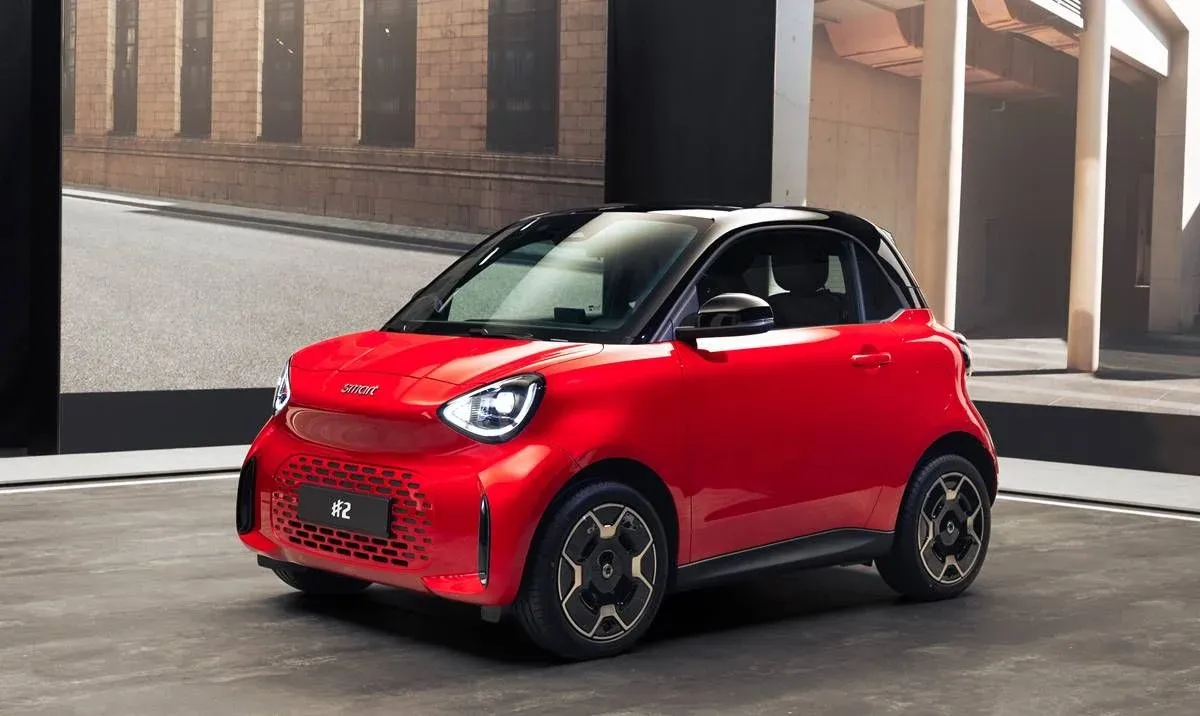
Smart revives its iconic Fortwo: the Smart #2 arrives with 290 km of range and an ideal size for parking anywhere
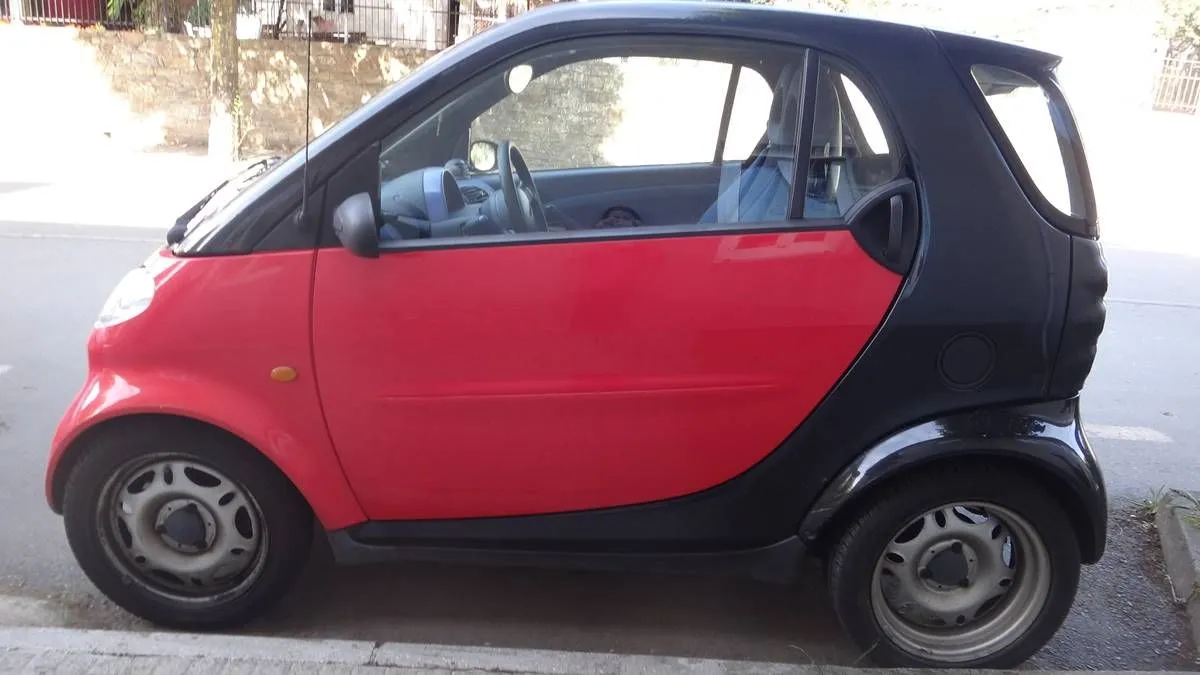
Thirty years after smart introduced the original concept of its revolutionary Fortwo in Paris, the brand now owned by Geely brings back one of the most recognizable designs from modern automotive history. The new smart #2 was created with the mission of proving that not everything has to be an SUV these days, and that it’s possible to launch an ultra-urban car with just two seats.
The return of the small Smart also has a personal touch. I owned a first-generation Fortwo and know well what it was like to navigate the city in a car with such characteristics. The original Smart wasn’t cheap, but it was accessible to those seeking something different—and above all, a truly practical mobility solution, as you could even park it facing the road. It wasn’t meant to be an all-rounder, but rather a car that excelled at urban commuting. And that was precisely its appeal.
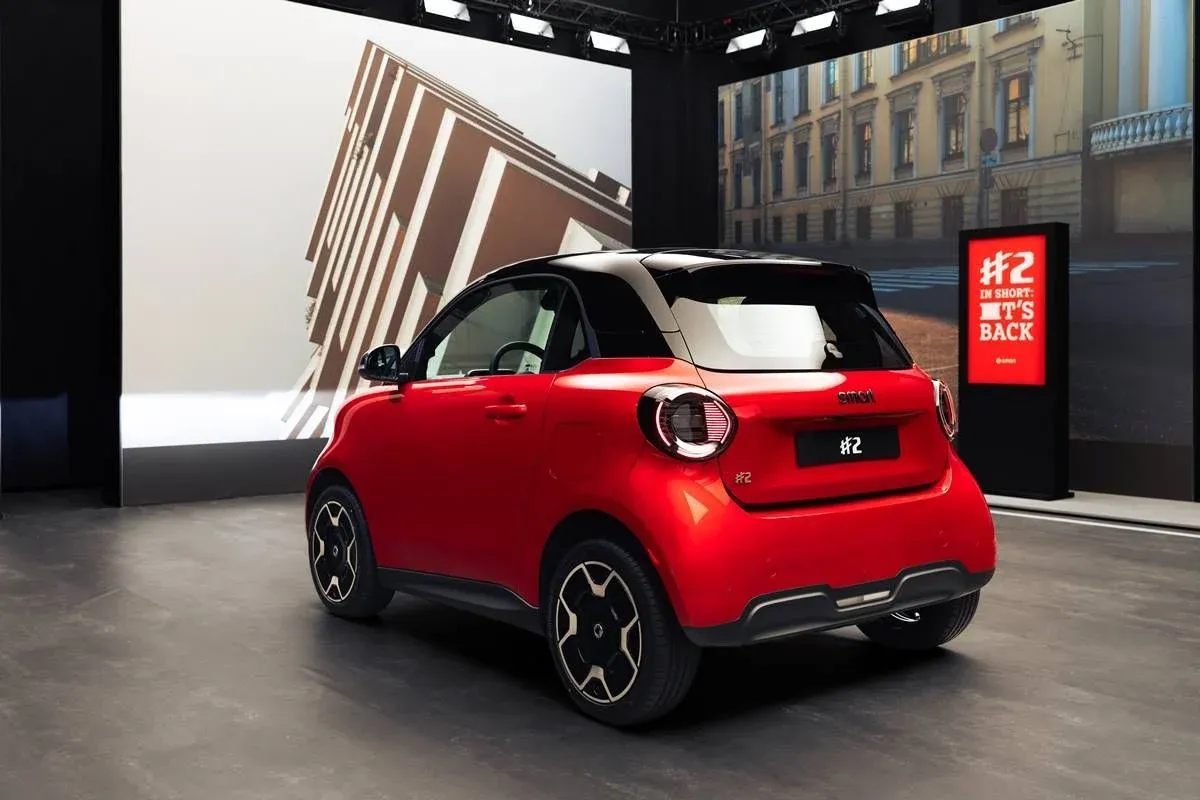
Now, the brand aims to revive that philosophy with a completely new model, developed from scratch and tailored to current demands. The smart #2 retains compact dimensions and a two-seater configuration, but it features a dedicated platform for electric propulsion along with a range of technologies that would have been hard to imagine when the first Fortwo appeared.
A two-seater designed for city driving
The new smart #2 is 2.75 meters long, a figure that clearly highlights its main advantage over conventional urban cars. The body retains the distinctive proportions of the original model, with wheels positioned at the edges to make better use of available space and facilitate maneuvering in narrow streets. Its turning radius around curbs is just 6.95 meters, a feature particularly useful in cities with complex streets and limited parking spaces.
The design retains some of the features that made the Fortwo recognizable from day one. Among them are the two-tone body and the split rear door, two elements that are part of the model’s identity. The interior also aims to make the most of its very compact exterior dimensions, with a layout designed for everyday use and practical solutions that simplify life on board.
The development of the new two-seater vehicle centers around the Electric Compact Architecture (ECA) platform, created specifically for this model. The brand has chosen a rear-wheel drive configuration, with the electric motor located on that same axle, while the rear tires are wider than the front ones to improve stability. One of the most notable technical features is the five-point multi-link rear suspension, a less common solution in cars of this size that aims to combine agility, comfort, and a more solid driving experience on the road.
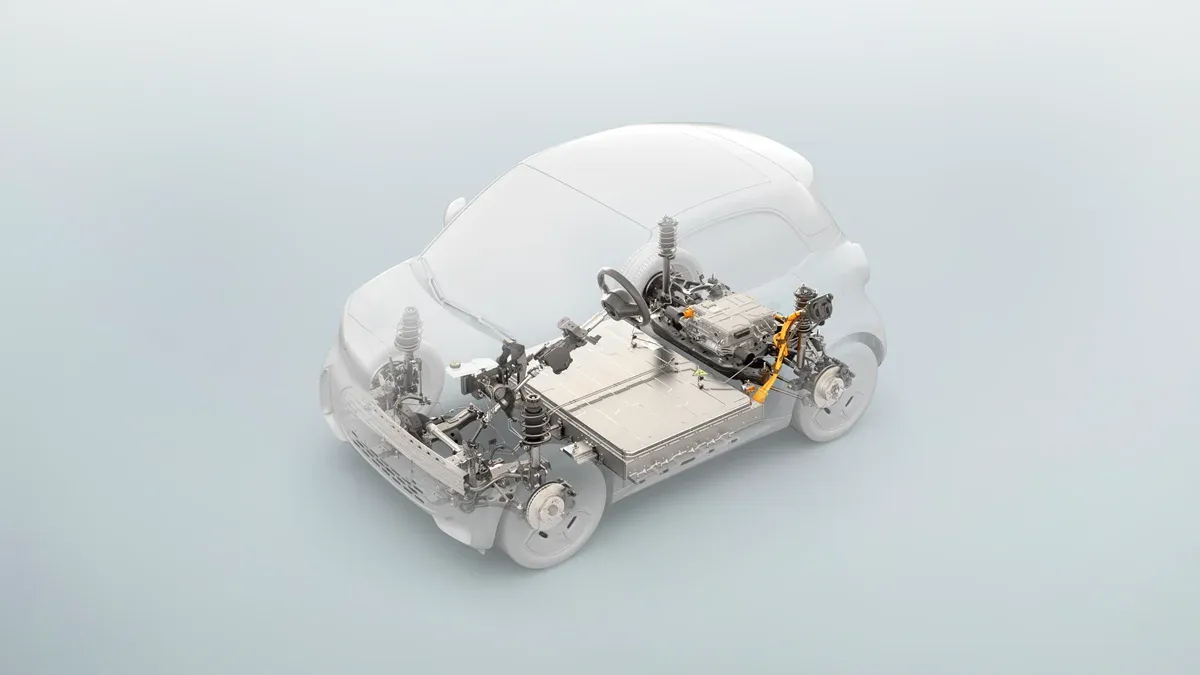
Smart has also worked on tuning the chassis, steering, and tires to create a car that is not only easy to park. The goal is for it to maintain precise handling when leaving the city, with stable performance on highways and adequate comfort for daily commuting. All of this is enhanced by a low center of gravity, aided by the battery’s placement.
Safety is another area where the brand aims to set itself apart from smaller urban vehicles from previous generations. The smart #2 introduces the Tridion Cell Evo structure, an evolution of the safety cell that has been part of the model since its inception. This structure protects the cabin without compromising the vehicle’s compact size, while the driving assistance systems include smart Pilot Assist and adaptive cruise control with Stop & Go functionality and highway assist.
Electric motor, range, and features
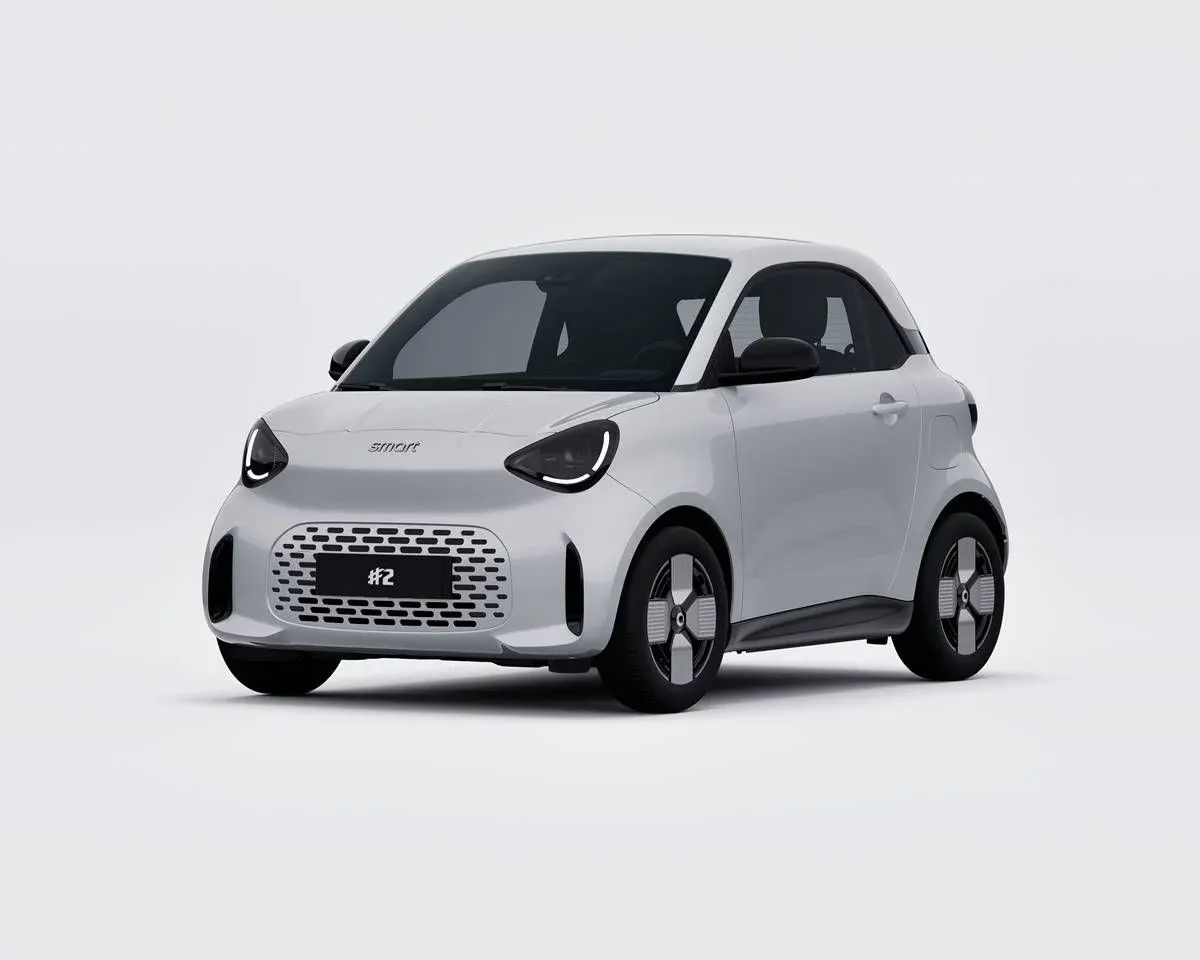
The smart #2 features an electric motor with a power of 60 kW (82 hp), located at the rear axle and delivering a maximum torque of 130 Nm. These figures may seem modest on paper, but they are consistent with a car designed primarily for urban commuting. The brand has not yet disclosed the 0 to 100 km/h acceleration or top speed, so we will have to wait for the release of the final technical specifications to know its complete performance details.
The battery uses LFP chemistry and has a capacity of 35.8 kWh, with an announced combined range of up to 290 kilometers under the WLTP cycle. This is a provisional figure, as the model is still in the process of certification. If confirmed, it would allow it to be used not only for daily city commutes but also for intercity trips without the need to constantly find a charging station.
Regarding charging, the new Smart supports up to 65 kW in DC, with an advertised time of 20 minutes to go from 10% to 80% under optimal conditions. In AC, the maximum power reaches 11 kW in versions equipped with this feature. The V2L function, which allows powering external electrical devices via a dedicated accessory, offers a practical option for those who want to utilize the battery beyond driving.
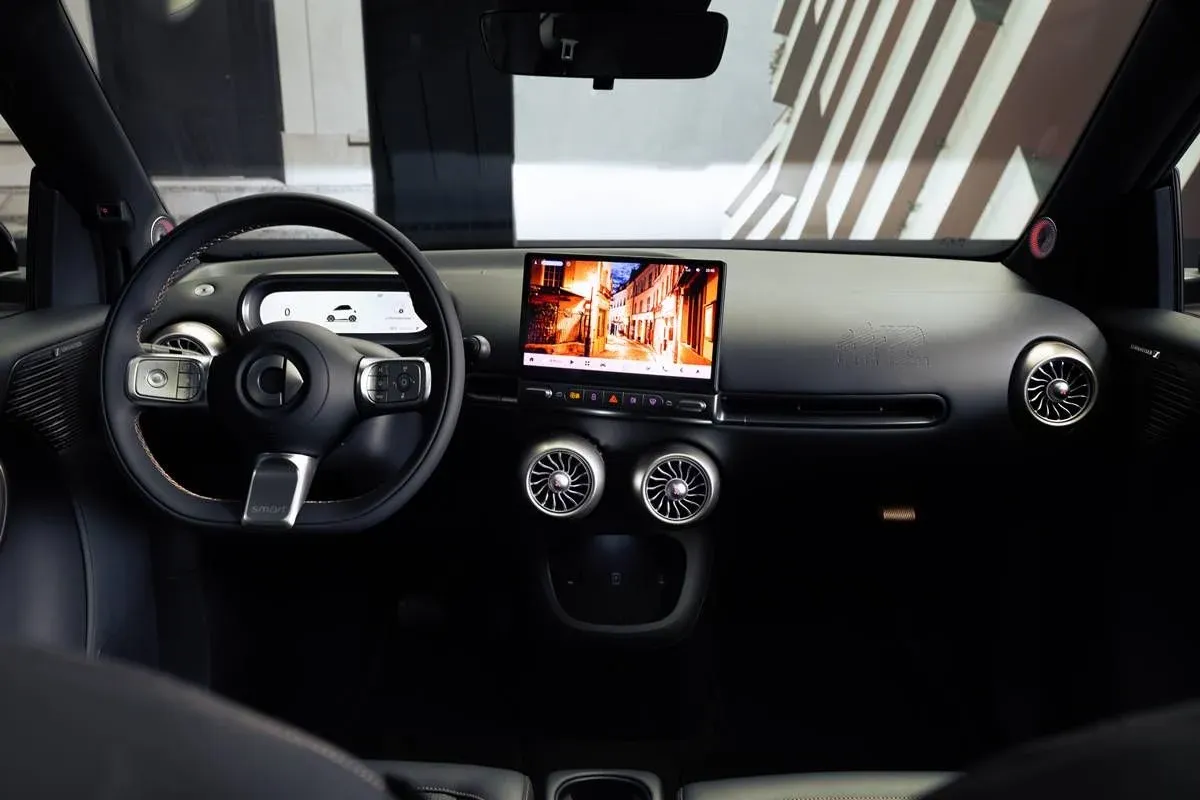
The European range will include the Pure, Pure+ and Premium finishes, along with a limited edition called Couture Edition. All versions feature a two-seater interior layout, an enveloping design for the driver’s seat, and controls arranged to facilitate everyday use. The dashboard features a 10.1-inch central screen and another 8.8-inch screen for the driver, along with 4G connectivity, Wi-Fi and Bluetooth.
The Pure trim will feature LED headlights and indicators, automatic high-beam activation, and various assistance systems including adaptive cruise control and smart Pilot Assist. It also has a V2L function, though a specific accessory is required to use it. The Pure+ version adds up to 11 kW of AC charging and a heated driver’s seat, along with systems such as blind spot detection, rear collision mitigation, and rear cross-traffic alert.
Above it is the smart #2 Premium, which features a glass roof, heated seats for the driver and passenger, synthetic leather upholstery, and a Sennheiser sound system with seven speakers. It also offers more customization options, with various color combinations for the body and interior. The brand aims to ensure that this compact urban car doesn’t have to sacrifice certain comfort features just because of its small size.
The return of the smart fortwo comes at a time when electric cars have become larger, more powerful, and have longer ranges, but there is still a clear need for smaller vehicles for city driving.
The smart proposal brings back an idea that seemed to have fallen out of favor: not everyone needs a large car, nor 800 km of range or 400 kW charging for their daily use. It remains to be seen how this new generation will translate into practice, and especially how much it will cost when it hits the market. Because, as with the original model, price will be decisive in determining whether the smart #2 can once again become a real alternative for those looking for a different urban car.