
Smart celebrates the return of the two-seater as #2
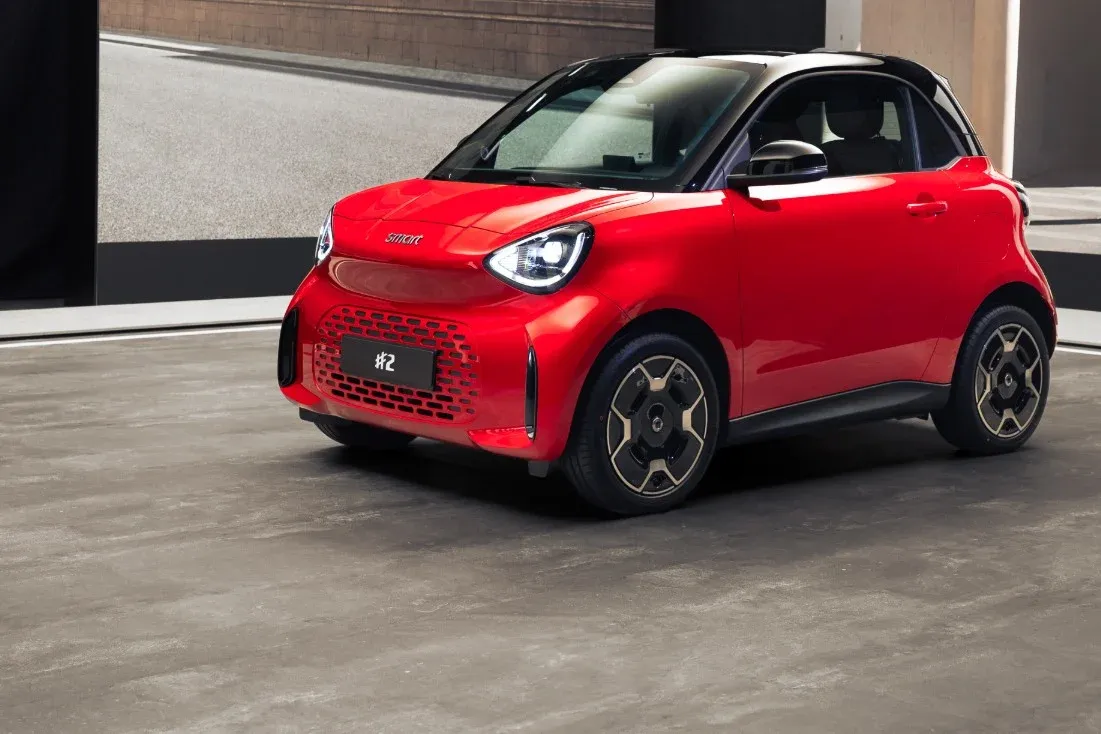
Just a few days after the end of Paris Fashion Week, the next model takes to the runway in the French capital — this time on four wheels. However, the show was delayed by a few minutes due to a strike by the curtain operators. Once that issue was resolved, Smart unveiled the #2, marking the return of that two-seater concept that helped the brand become successful almost 30 years ago.
The new Smart #2 is approximately 2.79 meters long, keeping it firmly focused on urban driving conditions. Its turning radius is 6.95 meters. Two seats, two doors, and wheels positioned far outwards reflect the key features of the original Fortwo. The curb weight is around 1,130 kilograms.
A 60 kW electric motor mounted on the rear axle provides propulsion. Chinese registration documents released earlier this summer indicate a top speed of 140 km/h. The motor is supplied by InfiMotion. A 35.7 kWh LFP battery serves as the energy storage unit, with cells from CATL and the battery pack assembled by Geely. Smart claims a range of around 300 kilometers according to WLTP standards, though the final homologation figures are still pending.
Fast charging should allow the battery to reach 80 percent capacity from 10 percent in about 20 minutes. “We don’t want to speed up charging at the expense of battery lifespan,” said Vice President Dr. Tilo Schweers on the eve of the event in Paris. Additionally, it supports Vehicle-to-Load functionality, enabling it to power external devices using the traction battery.
Smart Returns to the Two-Seater Format
For the brand, the #2 model is more than just an expansion of its lineup. Since Geely acquired Smart about five years ago and restructured the brand as a 50:50 joint venture with Mercedes-Benz, only larger five-seater models such as #1, #3, and #5 have been introduced. In contrast, the classic Fortwo was discontinued in spring 2024.
Shortly after, Smart hinted at a new electric two-seater. Official confirmation of the #2 model came in September 2025. Its technical foundation is the newly developed Electric Compact Architecture, or ECA, which is specifically designed for the microcar segment.
Even before the premiere, Smart tested the technology in unusual prototypes. For this purpose, the company fitted old Fortwo body shells onto chassis using the new ECA platform. These vehicles were then used to evaluate driving dynamics, crash safety, battery performance, software, and climate control.
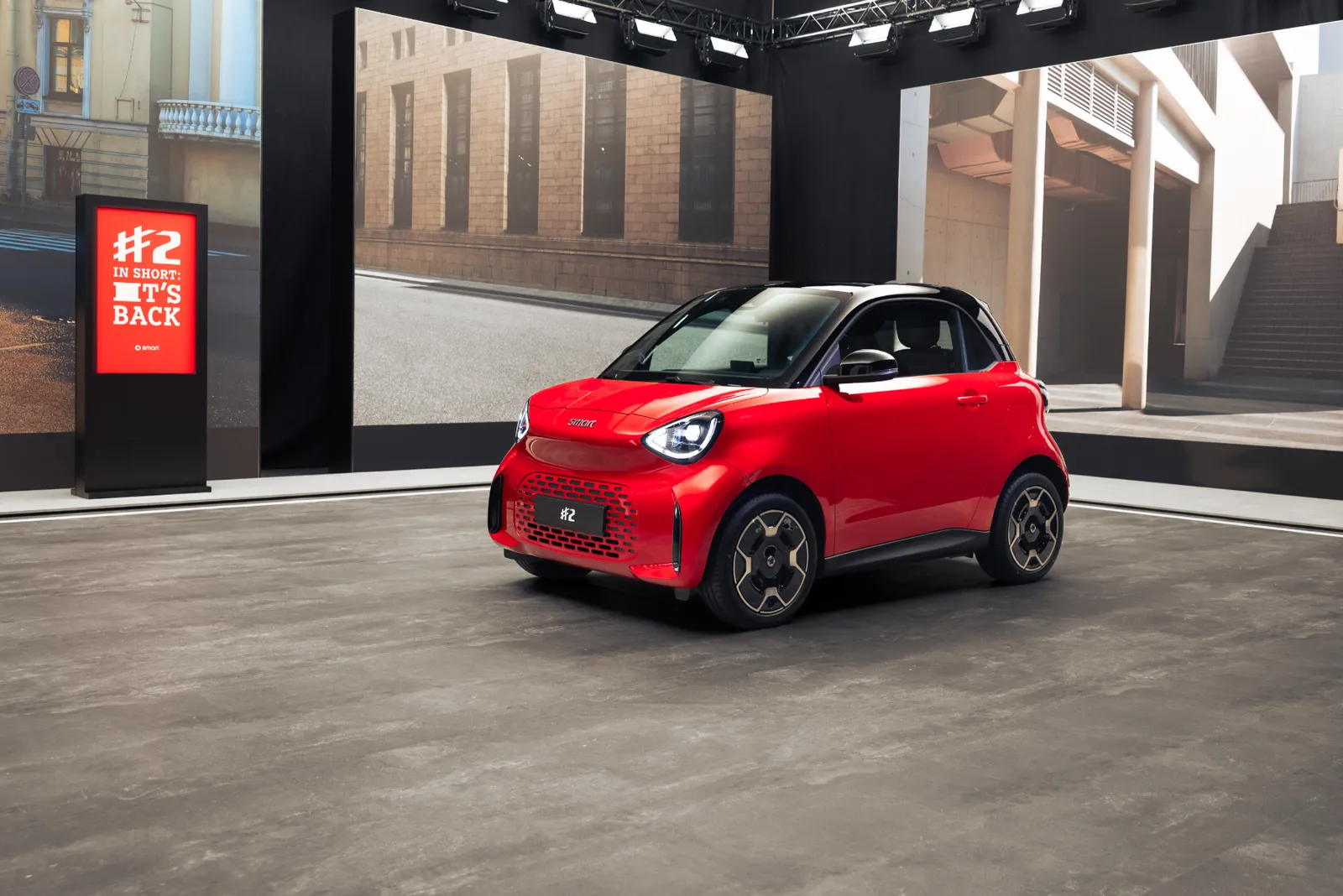
Image: smart
- 1/5
- 2/5
- 3/5
- 4/5
- 5/5
On the Paris stage, Smart deliberately emphasized the connection to the original concept. Johann Tomforde (who played a key role in shaping the original MCC project and is still often referred to as “Mr. Smart”) recalled the question that had loomed over the project since the early 1990s: How much car does one really need? This idea did not leave him even after he left Smart. “Since I left Smart in 1998, I have not stopped thinking about this car,” said Tomforde, visibly moved.
The connection between generations continues even in terms of design. The current design chief, Kai Sieber, was once Tomforde’s student. According to the company, the two have remained in contact, and some ideas from the former project leader have been incorporated into the design of the new #2.
The shift away from the two-seater model didn’t sit well with some fans, and part-time Swabians must have realized this as well. After all, expanding the portfolio ended up breaking the hearts of several fans. The #2 is meant to bring the brand back closer to the concept for which Smart was originally known. We already discussed this with Wolfgang Ufer in a podcast back in April. At the same time, the range around the #2 is set to expand further: a Brabus variant has been announced. Additionally, a Couture Edition limited to 2,000 units was unveiled.
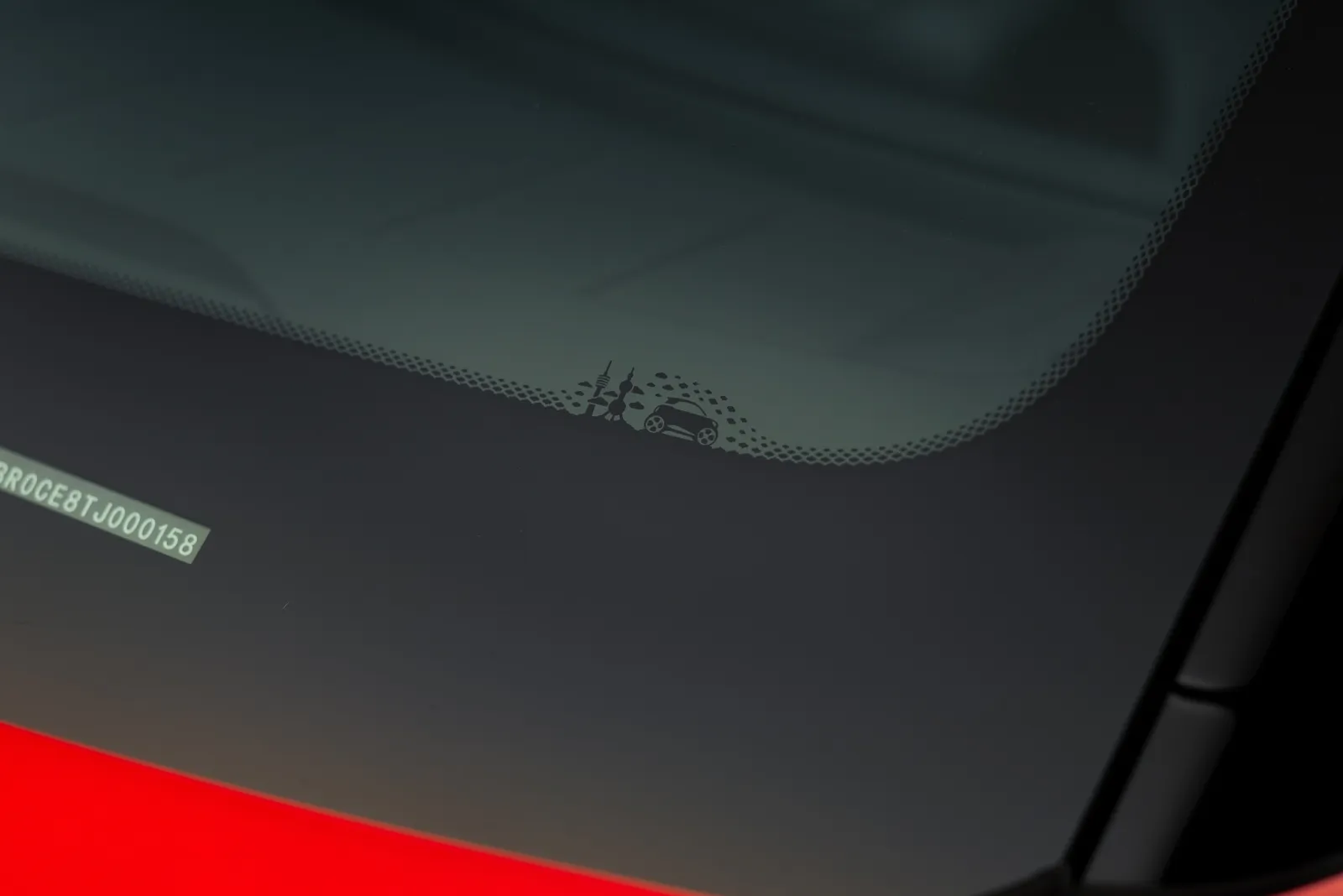
Design chief Xuan-Zheng Goh described the new two-seater in Paris on the eve of the auto show as a “new outfit” in which Smart would feel very at home. Literally speaking, the brand’s current German-Chinese structure is also reflected in the car. The Oriental Pearl Tower in Shanghai and the Stuttgart TV tower are featured as Easter Eggs on the windshield.
The #2 is planned to be produced initially in China. From there, it will be exported to Europe among other destinations. Smart’s vice president, Dr. Tilo Schweers, cited the timeline as a reason for this decision in Paris: exclusive production in Europe would have delayed market launch by one to two years. The company still does not rule out future production in Europe if sufficient volumes are achieved.
For Europe head Wolfgang Ufer, the #2 is also about ensuring basic accessibility to electric mobility. “Electric mobility must be available to more people,” he said in Paris. In Europe, the Smart is set to launch at an entry price of 19,999 euros. Price positioning is likely to play a crucial role here. At just under 2.8 meters long, the #2 targets a very specific segment, but it competes in price with much larger electric compact cars as well.