
September: China’s sales rise to 1.3 million pure electric vehicles
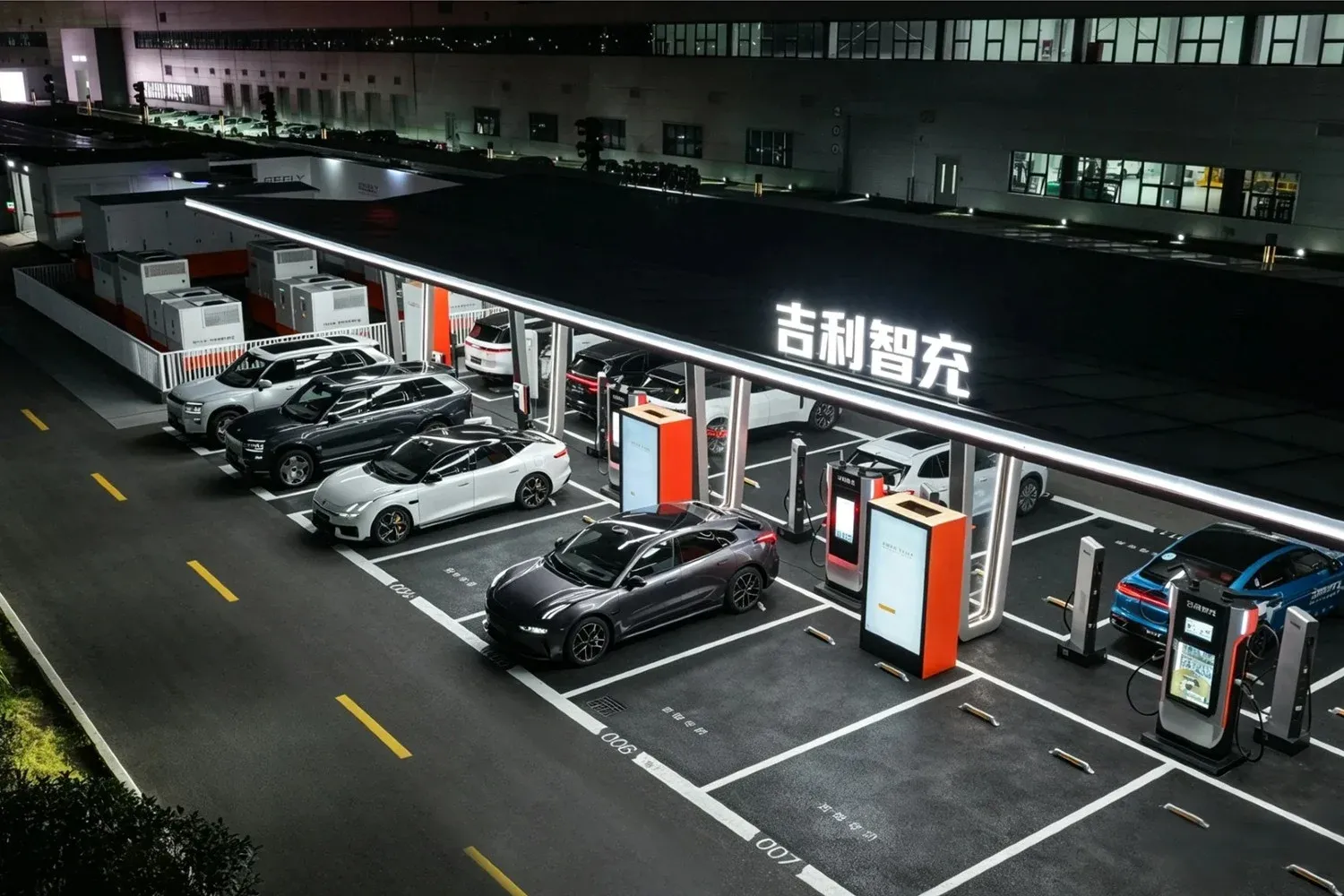
In China, September set a new record as the best-selling month ever: The highest number of BEVs were delivered by the state both domestically and internationally. Including plug-in hybrids and range extenders, a total of 1.82 million battery electric vehicles were sold—accounting for over 60 percent of all new cars sold last month.
Image: Geely
In September, three out of five vehicles sold in China were new energy vehicles: their share rose modestly to 61.6 percent. Although the proportion of NEVs in China’s total sales is no longer increasing sharply but only slightly, the composition within the NEV segment has shifted significantly in favor of battery-electric vehicles (BEVs), which reached 1.28 million units—a new record. This represents a 21 percent increase from September 2025 and a 10 percent increase from August.
Generally speaking, according to the wholesale figures from China’s Automobile Manufacturers Association (CAAM), the previous month was filled with record highs: The 1.82 million new electric and plug-in hybrid vehicles matched the highest figure recorded in November 2025, when nearly the same number were logged. Considering the upward trend over the past two years, both of which saw peaks at year-end, it is possible that China could surpass the 2 million NEV mark on a monthly basis this year as well.
In addition to BEVs as drivers of growth, exports of plug-in vehicles are also reaching new heights: 571,000 units were sold overseas in September. Exports now account for nearly one-third (31.3%) of all NEV sales. In contrast, partially electrified vehicles and domestic sales show stagnant or declining figures.
But let’s go through it step by step. China’s NEV sales rose by 13.6% compared to the same month last year and by 11% compared to August, reaching the aforementioned 1.82 million units. This figure includes both passenger cars and commercial vehicles. BEVs remain the main driver of growth, with 1.28 million units sold (+21% year-on-year, +10% compared to August), while PHEV sales remained stagnant at 546,000 units (±0% year-on-year, +13.3% compared to August).
Looking at the first nine months of the year together, NEV sales increased by 11.1 percent to roughly 12.5 million units. The average NEV share of total sales stands at 53.6 percent after three out of four quarters of this year, largely due to a weak start to the year. Since July, the monthly NEV penetration has consistently exceeded 60 percent.
The key driver behind this continued strong growth is undoubtedly the export of plug-in vehicles, which rose to 571,000 units in September — a 160 percent increase from the previous year and an 8.6 percent rise from August. This September figure sets a new record. Interestingly, plug-in vehicles accounted for more than half of all exports for the fourth consecutive time, at 54 percent in September. According to CAAM statistics, cumulative NEV exports in the first nine months of the year reached a full four million units, which is 130 percent higher than the same period last year.
When breaking down exports by drive type, September saw 352,000 BEVs exported (+130% year-on-year) and 219,000 PHEVs exported (+220% year-on-year). Thus, the growth trend for these partial electric vehicles is even more dynamic. Against this backdrop, Europe has recently negotiated import restrictions on hybrids and PHEVs from China.
In contrast, China’s domestic market continued to shrink—a phenomenon that has been observed for months. NEV sales in the home market dropped by 9.4% to 1.25 million units in September compared to the previous year, although they increased by 12% again compared to August. According to CAAM figures, domestic sales in the first nine months of the year totaled 8.47 million units—a 10.6% decline from the same period last year.