
Reducing bills and pollution with solar power: the guide
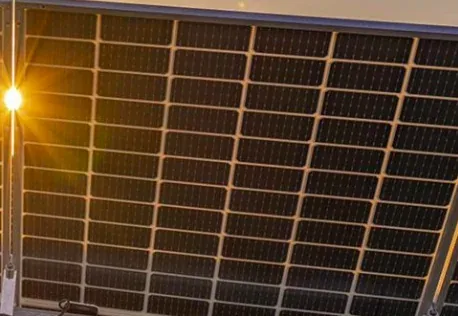
Reducing bills and pollution with photovoltaics: we publish a practical guide created by an electrical engineer passionate about these topics.
by Paolo Subiaco
We often talk about ecological transition and immediately think of the regulations the European Parliament wants to impose on us... But are they impositions or opportunities? In this article, I aim to provide information on the most useful green technology for home use. With benefits in both economic and environmental terms, without claiming to know more than those who work in this field—I’m just an ordinary user. Free from economic interests that could distort reality.
Reducing bills and pollution: if you have a roof and some savings...
Solar photovoltaic systems represent an investment that offers an estimated 15% annual return for the first 10 years, thanks to the 50% eco-bonus. After that, the return drops to 10% per year. Are there equally favorable investments in the financial world with a payback period of around 7 years? The actual return varies depending on the percentage of energy used locally, which is typically higher than the price paid for energy fed into the grid. Thus, the more energy is used locally, the shorter the investment’s payback period. If you have savings and an available roof, this is undoubtedly the best investment! For those who need to replace their roof, the benefits are even greater: scaffolding is already in place, and fewer tiles or shingles need to be replaced. Since the panels can be installed directly in their position, atop the corrugated metal roof.
Prioritize installing as many panels as possible instead
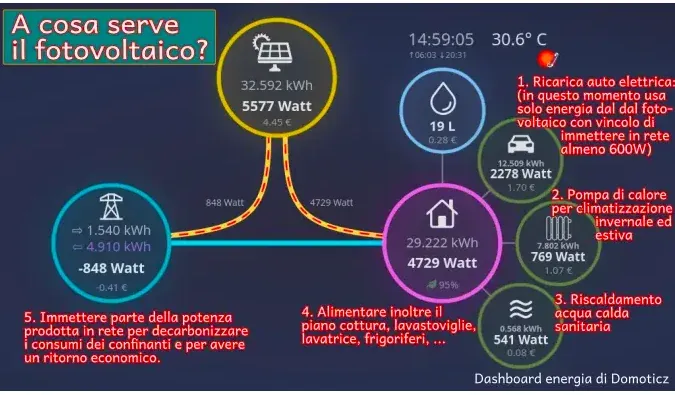
The system consists of photovoltaic panels that generate electricity and an inverter that converts it into alternating current. By installing a hybrid inverter, it’s possible to connect a battery to store excess energy for use when the sun is not shining. However, if you have a limited budget, I recommend setting up the system first and installing the battery later, when it is likely to cost less. Instead, prioritize installing as many panels as possible, compatible with your inverter. Future electricity demand will certainly be higher (it’s incorrect to size the system based on current consumption). And the cost of upgrading later is significant, as scaffolding or other systems are needed to work at height. Additionally, those who own an electric car can already store excess energy in the car’s battery.
where he is at home (lunch break, weekends …).When and what are optimizers for
For example, with a 6 kW inverter, it is recommended to install at least 30% more photovoltaic panels (8 kW peak) to ensure good power generation even under suboptimal conditions such as low irradiation (winter or cloudy weather), high temperatures (summer), or dirty panels. If there is shading during the day (from trees, chimneys, or antenna poles, or taller adjacent structures), or if you want to monitor the performance of each individual panel over time, using optimizers becomes useful. They allow maximum power extraction from each panel, regardless of whether it is shaded or dirty. The energy generated that is not used locally or stored in batteries is fed into the grid, where it is sold at the market price set the previous day based on forecasts.
production and consumption, and purchased by GSE, which will then pay for it via a monthly transfer, or when the threshold of 100€ is exceeded.Is it better to consume energy or feed it into the grid?
Since this is actual income, it will be included in your tax return, added to your salary, pension, etc. If the average price during production hours is 0.08€/kWh, the price of electricity you pay to your supplier is at least 0.20€/kWh. Therefore, it is more economical to consume energy rather than feed it back into the grid. At this point, it becomes useful to schedule dishwashers and washing machines to run during the day. Try to electrify household appliances by replacing, for example, gas stoves with induction cooktops. This way, the vents in the kitchen that prevent carbon monoxide buildup and reduce explosion risks in case of gas leaks can finally be sealed. But they also serve as major pathways for cold air in winter and hot air in summer!
Reducing Bills and Pollution: How Much Do Wars Impact?
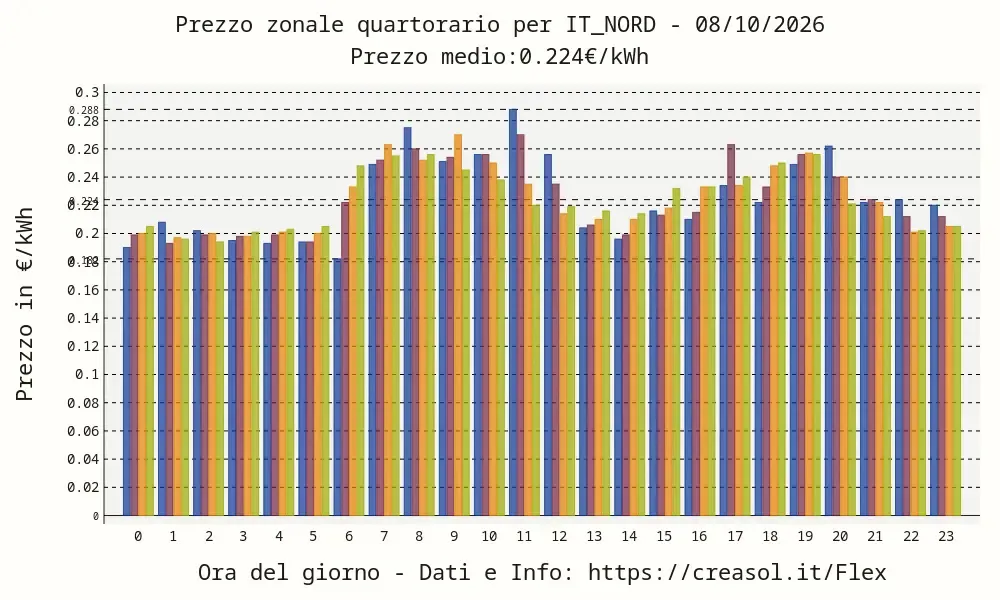
Wars also generate extra profits for new private solar power systems. Taking October 8, 2026, as an example, the price at which energy fed into the grid is compensated exceeds 0.20€/kWh. An 8kWp system, during this autumn period with reduced daylight hours, produces at least 25kWh per day, amounting to roughly 5€ per day or 180€ per month, from which the IRPEF tax must be deducted. As mentioned earlier, profits increase if part of the energy is used for self-consumption, since the cost of energy on the bill is generally higher than the regional price. With these prices, the payback period for the investment becomes even shorter. And the installation of new solar power systems will actively contribute to reducing dependence on fossil fuels and lowering energy costs for everyone.
What if a storm hits? There’s tempered glass…
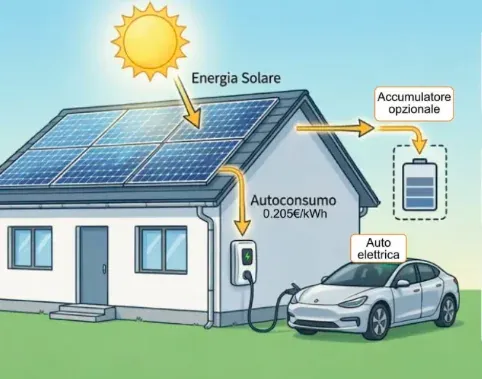
What if a storm hits? The panels have tempered glass that resists hail well, better than tiles. It should also be considered that increasingly severe weather patterns are caused by global temperature rise, which solar power helps to counteract. CO2 is emitted during panel production! However, the amount of carbon released from manufacturing and transporting solar panels is offset within less than 2 years of operation. But what do I do with the panels at the end of their life? After 20–30 years, they are disposed of at an eco-center, with only the disassembly and transportation costs incurred, as the environmental fee has already been paid in advance. Moreover, it’s only 70–80 euros per tonne—a very low cost due to the easy recyclability of the raw materials used. In short, the sun rises every day—why not make use of it?
How cheap is energy in Spain with renewables: article + VIDEO
Previous Article
Fights at charging stations: readers’ anger and proposals
Next Article
ePropulsion launches eCore, how to manage all of a boat’s energy