
Bus retrofits in the UK, ending diesel by 2030. PETL’s strategy with Kleandrive
There are significant opportunities for electric retrofits of buses in the UK thanks to the Bus Services Act, which will prohibit the registration of new non-zero-emission buses by 2030 (at the latest). This regulation is accelerating the sector’s transition and has encouraged the entry of Palmer Energy Technology Limited (PETL). Founded by Andy Palmer, former CEO of Aston Martin, the company operates in renewable energy and storage systems, offering residential BESS solutions as well as battery technologies for vehicles. Palmer believes in a major leap forward in the industry focused on converting diesel buses to electric ones. Rather than just offering its own batteries, it acquired Kleandrive, a company specializing in electric bus retrofits, thereby strengthening the UK’s capacity to decarbonize heavy public transportation.
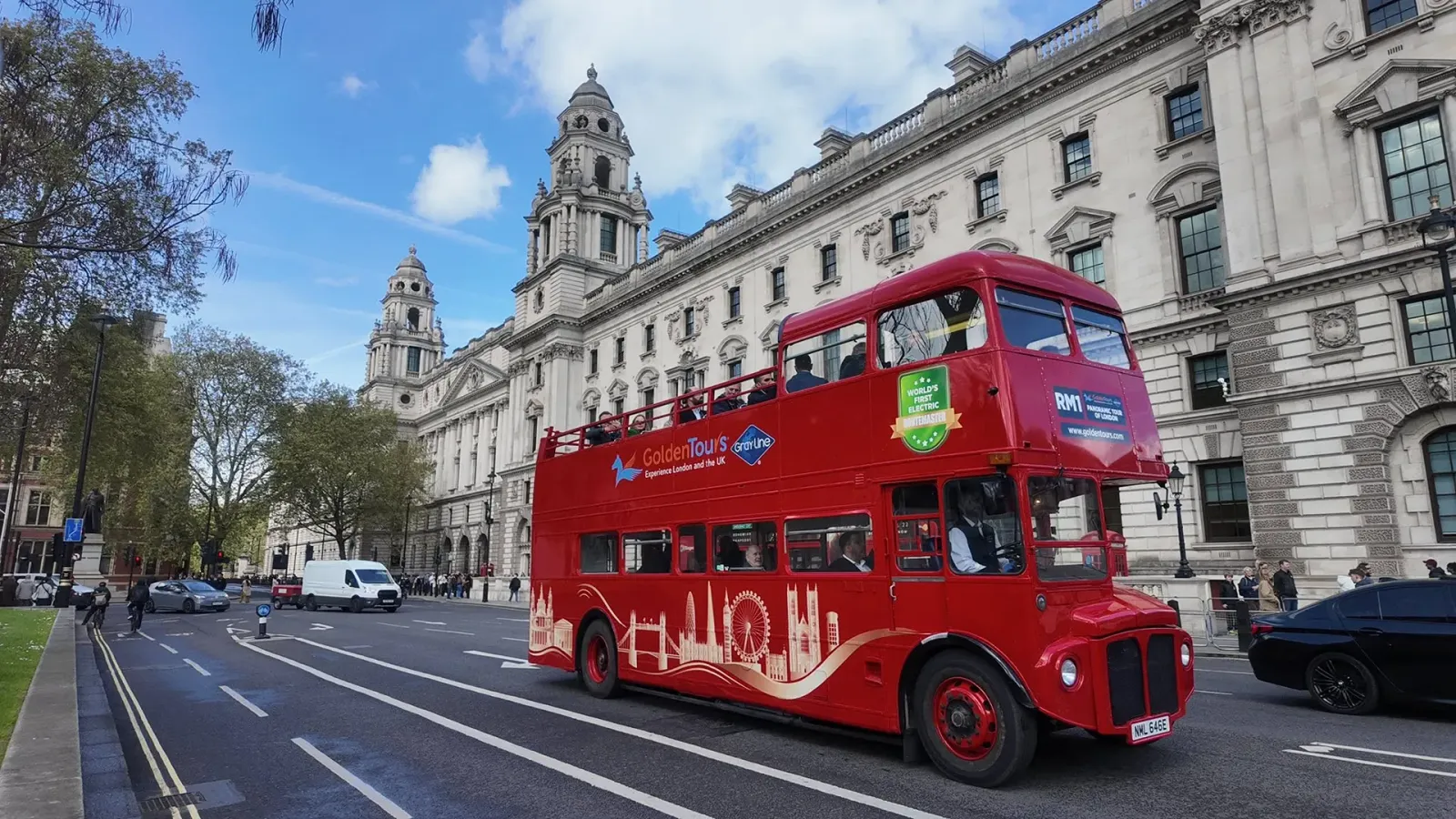
Retrofitting is the future of electric buses, and it has also saved the 1960s Routemaster.
All polluting buses in the UK must be replaced or converted to electric, a process that proves highly promising economically while also serving to preserve historical heritage. In fact, this conversion saved the 1960s Routemaster, which is now used by the tourist operator Golden Tours.
In this context lies PETL’s entry into the sector: the company acquired, as a going concern, all of Kleandrive’s assets and operations. Kleandrive is a specialist in converting diesel vehicles by replacing their drivetrain systems with electric ones. This acquisition enables PETL to integrate key expertise and strengthen the UK’s capacity to decarbonize heavy transport.

The deal is framed as part of the Made in UK policy. “The acquisition preserves a highly specialized British engineering capability in decarbonizing heavy vehicles.” This point was reiterated by Andy Palmer: “Britain continues to lose its industrial base, one company at a time. I’ve spent years publicly arguing that the UK cannot achieve its decarbonization goals or build a credible clean transportation sector without domestic companies leading the way. This acquisition of Kleandrive’s operations and assets as a going concern is a concrete, though small, example of how progress can be made in this direction. Upgrading existing diesel buses offers one of the most cost-effective ways for operators to decarbonize their fleets. It deserves to be done here, by British engineers.”
“And we intend to ensure that happens.”Retrofit: The advantage of not replacing buses, diesel ban by 2030
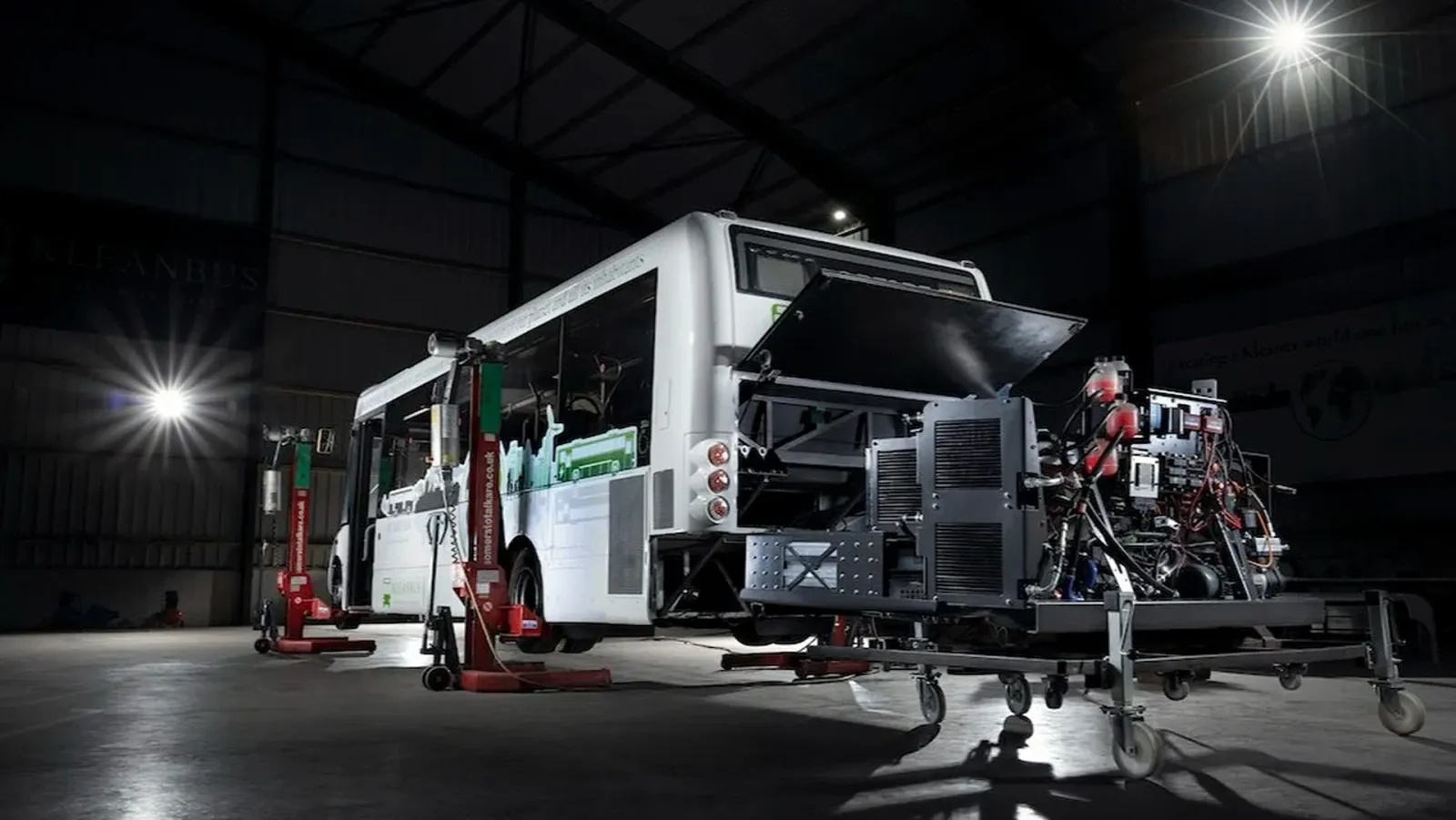
Converting existing diesel buses into electric vehicles allows fleet operators to decarbonize their current fleets without the “capital investment required for purchasing new electric buses.” Kleandrive’s retrofit expertise will be integrated into PETL, one of the UK’s leading developers of battery and battery management system technologies, also through its subsidiary Brill Power, a spin-off from the University of Oxford.

The combined company now has a complete vertical supply chain: from cell selection and management to electric drive systems, from fleet deployment to after-sales support. With this acquisition, PETL can now offer the market an integrated package for repowering heavy vehicles.
Electric buses: Solaris’ strategic retrofit has already upgraded 170 e-buses
The majority of Britain’s bus fleet is still powered by diesel, but the Bus Services Act will come into effect by 2030, requiring that new “zero-emission” buses be registered exclusively for local services in England starting from that year. Existing diesel buses can continue to operate. Here is the link to the government legislation, which requires an implementing regulation.
Industry consultation: in favor of phasing out diesel
The process that led to the establishment of this standard is also interesting. The government launched a public consultation involving bus manufacturers, transport operators, local authorities, industry associations, and environmental organizations.
Alexander Dennis’ retrofit for two-story diesel buses
Most participants supported setting a specific date for ending the sale of new non-zero emission buses (non-ZEB). Specifically, the majority of operators and manufacturers expressed approval, with some manufacturers offering principled support. The energy sector and environmental organizations gave unanimous backing.
Many stakeholders have suggested that the government should choose a single date rather than a phased approach to ensure certainty for the industry and simplify the transition for producers and local authorities. There has also been a proposal for phasing in based on European emission standards.
The path is clear, but the goal is not easy to achieve. Industry players have emphasized that the transition requires investment, sufficient time, and targeted support, especially for rural fleets and small and medium-sized enterprises, which risk being disadvantaged in competitive bidding and adaptation costs. Finally, there are concerns about the capacity of the electrical grid, including the need for major upgrades and the lack of standardization in charging infrastructure.
READ ALSO: There’s still hope for charging stations bonuses – watch the video – Incentive guide
Previous Article
The bus that recharges through its wheels, a Swiss project
Next Article
Won’t you charge your car with solar power? But when have you...?