
Renew or die: Germany faces 200,000 job losses in the automotive industry
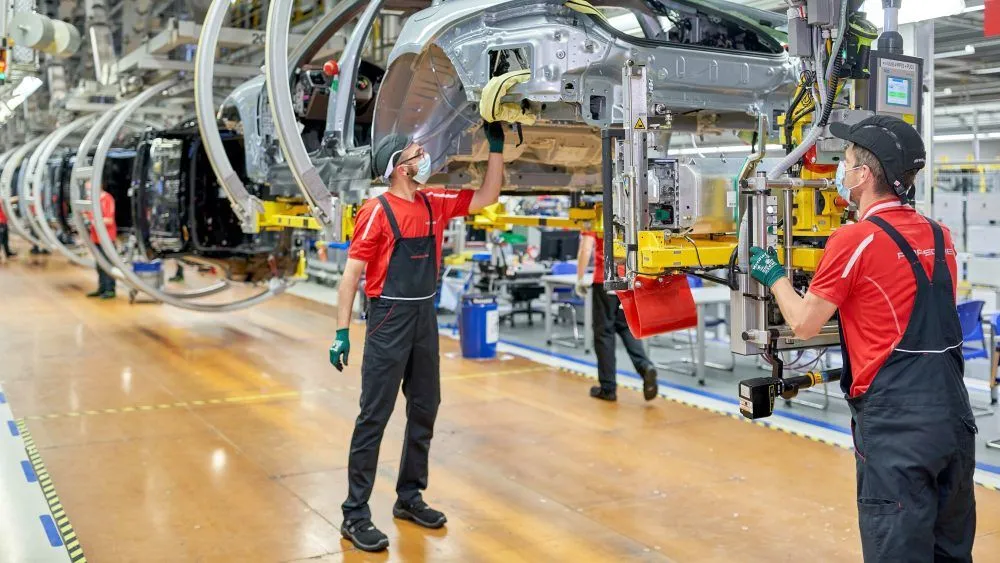
The German automotive industry is going through one of the most challenging periods in its recent history. Manufacturers and suppliers are facing an increasingly competitive market, high costs, and production capacity that no longer matches current demand. This situation forces a reevaluation of the industry model of a country that has been one of the world’s leading players in this sector for decades.
The problem is so severe that, even if companies make the right decisions now, Germany could lose at least 200,000 jobs in the automotive industry by 2030, according to a report by consulting firm Roland Berger. This is the main finding of a new study by Roland Berger, which highlights the need for profound changes to restore competitiveness and prevent even greater adjustments.
According to the report’s estimates, the number of workers in manufacturers and suppliers would drop from around 692,000 in 2025 to approximately 490,000 by 2030. Of the jobs that would disappear, about 90,000 would be direct positions, another 95,000 would relate to indirect roles, and around 15,000 would affect managerial positions. The consulting firm warns that if companies delay making the necessary decisions, the consequences could be even more severe.
Germany Has Too Many Factories and Produces More Expensive Cars
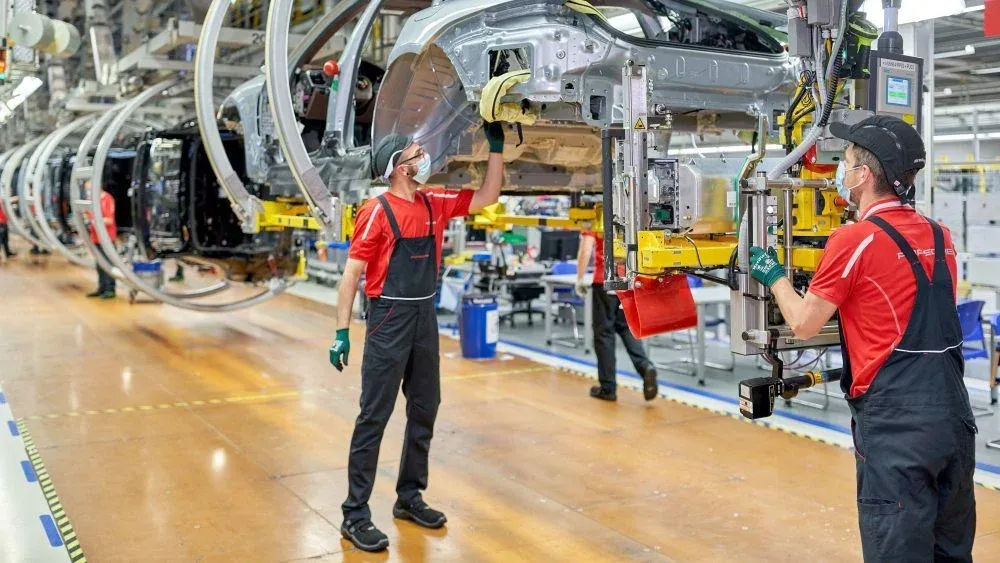
Felix Mogge, a partner at Roland Berger, notes that a factory needs to operate at around 75-80% of its capacity to produce profitably. However, Germany has facilities capable of manufacturing more than six million vehicles per year, yet its actual production barely exceeds four million. According to the expert, the country has the capacity to operate at least five fewer factories than it needs given current volumes.
The figures help to understand the scale of the problem. In 2015, German factories produced around 5.9 million vehicles, while by 2025 this figure had dropped to about 4.2 million. Despite this decline, the installed industrial capacity remains at around 6.4 million units per year. Roland Berger believes that the current production volume represents the new reality of the market, and that there is no expectation of an automatic return to levels from a decade ago.
In addition to overcapacity, there is another major obstacle: manufacturing a car in Germany is significantly more expensive than doing so in China. According to the study, Chinese manufacturers enjoy a cost advantage of around 30% in areas such as batteries and electric propulsion systems, materials, and manufacturing labor. This difference makes competition in the electric vehicle market particularly challenging, as price plays a decisive role in purchasing decisions.
The consultancy acknowledges that German manufacturers have managed to maintain the technological level needed to compete with global leaders. The problem is that this capability is no longer sufficient to offset cost differences. Felix Mogge believes that a brand’s strength alone cannot bridge a price gap of such magnitude. For companies like Volkswagen, BMW, and Mercedes-Benz, the challenge lies in preserving their market position without falling behind rivals who can develop and produce vehicles with more optimized cost structures.
New cars in less time and an unstoppable transformation
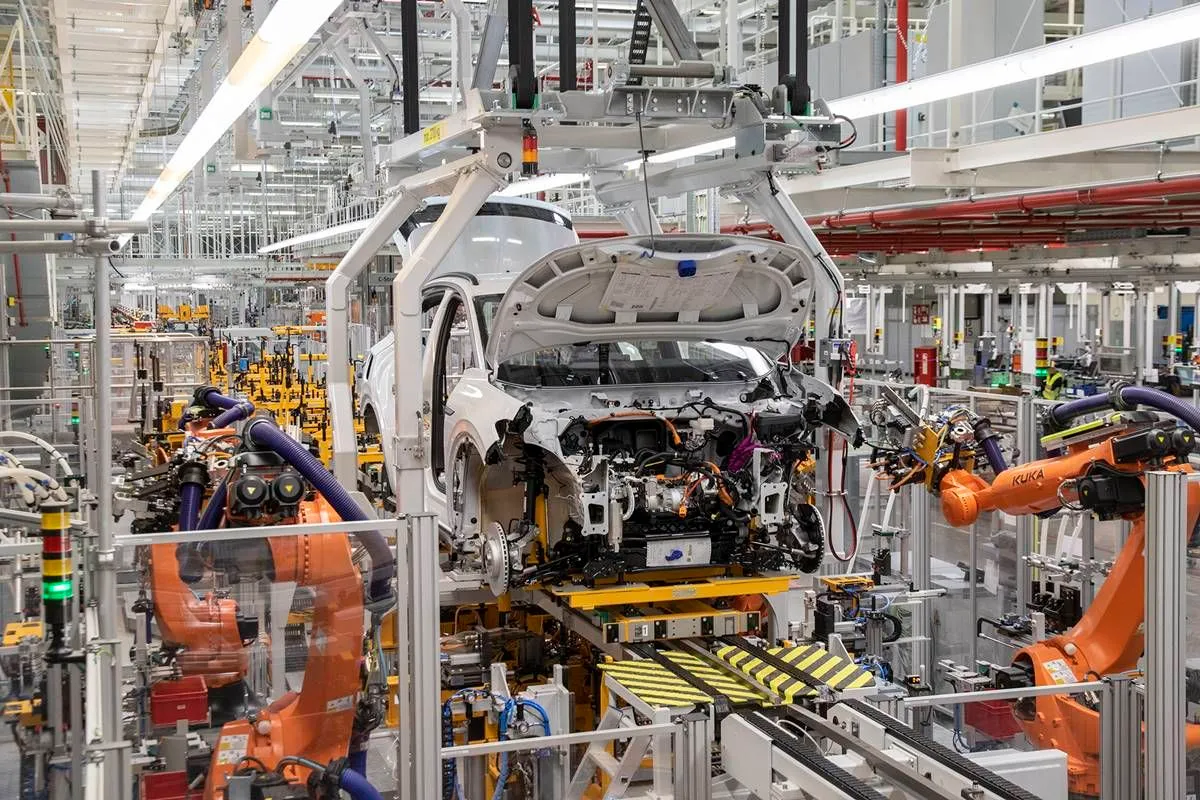
According to Roland Berger, the solution lies in changing both the way manufacturers work and the conditions under which the industry operates. Companies must shorten development timelines, simplify processes, and strengthen cooperation with their suppliers. At the same time, governments need to facilitate the adaptation of industrial facilities and help workers acquire the skills required for new jobs.
A clear example is the development timeline. While some Chinese manufacturers can develop a new vehicle in about 24 months, German companies typically need 48 months or even longer. The report suggests that reducing this period to between 30 and 36 months would be a realistic goal for regaining agility and responding more quickly to market changes.
The speed of development will be particularly important in areas such as software, whose share of development costs could more than double by 2030. For this reason, the consultancy suggests that manufacturers and suppliers work more closely together in this field, rather than pursuing separate investments and projects that share similar technological needs.
The study also warns that pressure on costs should not lead to abandoning investments in future technologies. The industry will need to continue advancing in areas such as batteries, electric propulsion, robotics, and artificial intelligence if it wants to maintain its international position. The challenge lies in financing this transformation while addressing excess capacity and adapting corporate structures to a market that no longer offers the same opportunities as it did ten years ago.
Policy will also play a significant role. Roland Berger suggests speeding up permits for factory reorganization, facilitating collaboration among various industry stakeholders, and promoting training programs for employees affected by the changes. Among the proposed measures is a qualification initiative for over 50,000 workers in areas such as software, batteries, robotics, and artificial intelligence.
Sebastian Gundermann, a partner at Roland Berger, argues that companies and governments must assume their respective responsibilities to limit the impact of this transformation. Manufacturers need to develop and produce their vehicles more quickly, while institutions should support this process with measures that encourage innovation and facilitate workers’ professional adaptation.
The underlying message is clear: Germany’s industry cannot rely on regaining its former position without changing its ways of working and thinking. Chinese competition now goes beyond offering cheaper alternatives; it also exerts pressure on development timelines and industrial efficiency. For Volkswagen, BMW, Mercedes-Benz, and their suppliers, the challenge in the coming years will be to cut costs, adapt their factories, and accelerate innovation without sacrificing the technological capabilities that have underpinned their success for decades.