
Renault and EDF want your electric car to help you pay your electricity bill
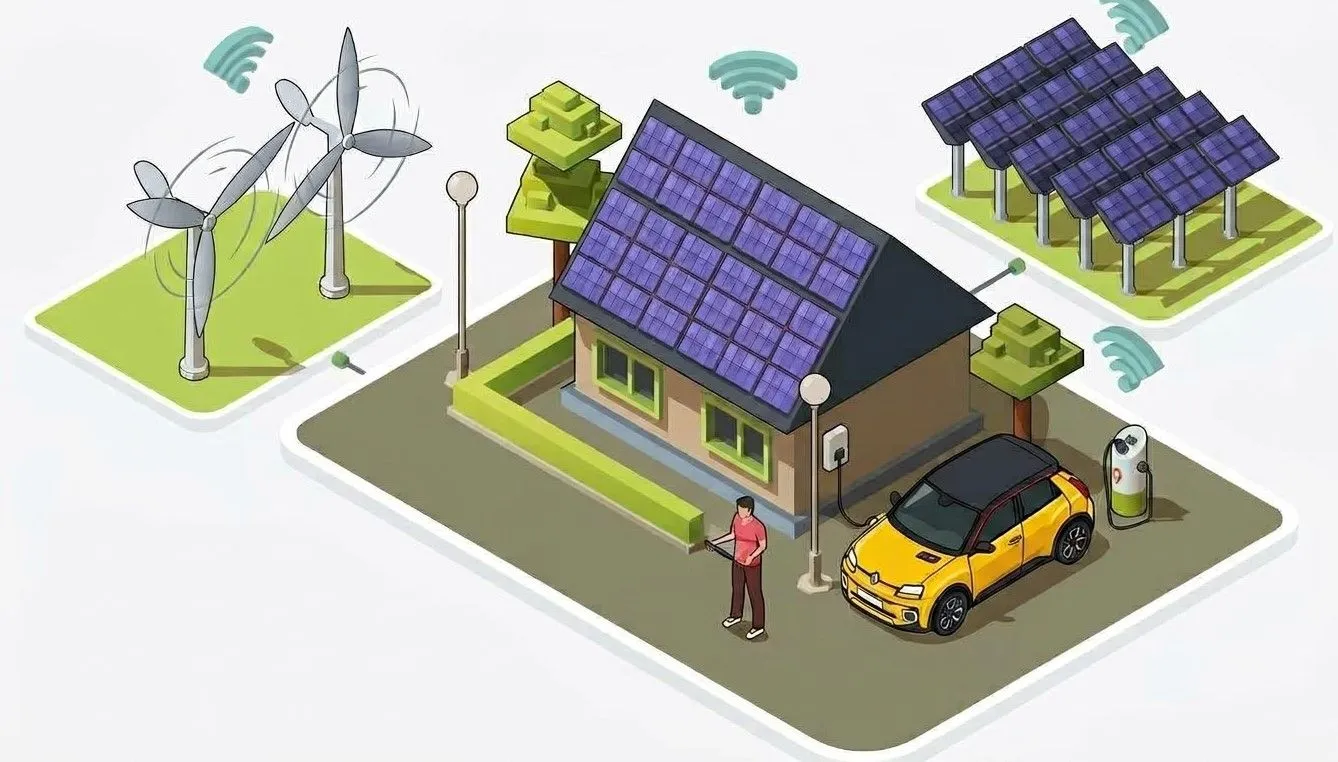
The electric car is poised to play a role that goes far beyond simple mobility. In addition to reducing emissions and our heavy reliance on energy, its battery can become a tool for better managing household electricity use and cutting energy costs. This possibility is beginning to appear in commercial offerings and could change the way we view home charging.
Renault and energy company EDF have announced a new partnership to advance this technology, which allows using the electricity stored in the car while it is parked. The aim is to simplify access to a system that still requires specific installation and certain usage conditions, but it opens the door to additional savings without needing to drive more miles.
The operation is based on two-way charging, known as V2G, which allows both charging the battery and returning some of the stored energy to the electrical grid. The system takes advantage of times when electricity is available at a lower price to charge the vehicle and can return it when demand increases. In exchange, the owner receives compensation for the energy supplied, while the process is automatically managed based on travel needs.
This isn’t entirely new technology for Renault. The brand has been working in this area for years and already offers solutions through Mobilize Power V2G and its compatible two-way charger. The novelty of the deal with EDF lies in expanding its availability and making it easier for more users to access a service that, until now, required a compatible car, proper installation, and an electricity rate that allowed utilization of energy returned to the grid.
Renault and EDF aim to simplify access to two-way charging
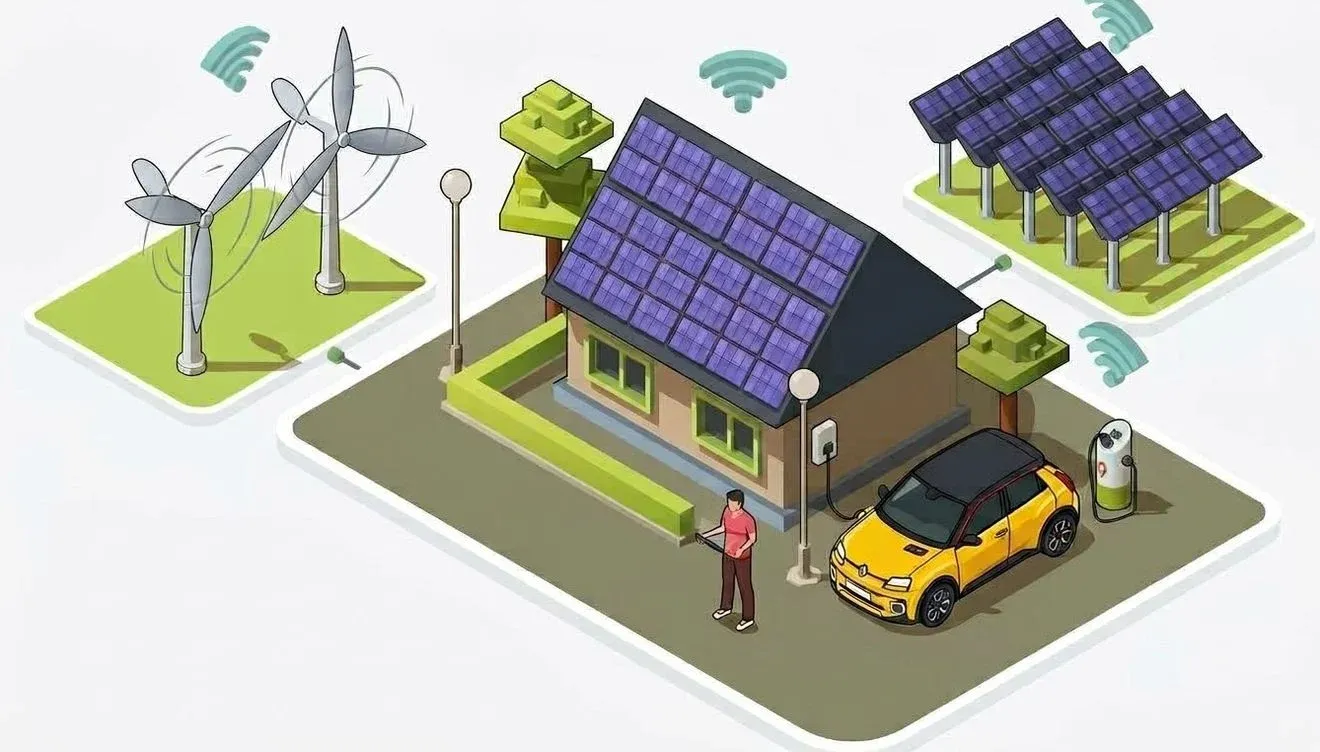
The new commercial offer is scheduled for summer 2027 and will be distributed through Renault, Alpine, and Dacia’s networks. The installation of home chargers will be handled by IZI by EDF, while DREEV, another company in the energy group, will be involved in electricity management. The agreement also includes smart charging solutions capable of adjusting charging times to the conditions of the electrical grid.
For EDF, the benefits extend beyond reducing each driver’s bill. If it can gather a sufficient number of connected electric vehicles, it will have storage capacity distributed across various locations in the region. In this way, the batteries can help balance supply and demand, making better use of renewable energy production and reducing the need to rely on other storage solutions when consumption increases.
However, for the system to function as both companies expect, it’s not enough for the cars to be compatible. It is also necessary that they remain connected for sufficient periods and that there is an adequate number of vehicles available when the grid needs electricity. The real utility will therefore depend on each driver’s habits and the company’s ability to coordinate all those batteries.
How much can be truly saved with V2G?
Renault and EDF estimate a potential savings equivalent to the charging cost needed to travel up to 10,000 kilometers per year. This is a striking figure, though it should be viewed as an upper estimate rather than a guaranteed amount for all users. The actual savings will depend on the electricity each car can feed back, how long it stays plugged in, and the economic conditions of the service.
To put this figure in context, an electric car that consumes 15 kWh per 100 kilometers would need around 1,500 kWh to travel 10,000 kilometers. If electricity costs 0.20 euros per kWh, the corresponding expense would be 300 euros per year. This is merely a reference point: the actual savings will depend on how the energy fed back to the grid is compensated and on the costs associated with signing up for the service and obtaining the necessary equipment.
Important details remain to be revealed, such as the price of the new offer, the terms of the electricity contract, and the relationship between this service and the solutions already offered by Renault. Not all drivers will be able to benefit from this proposal initially: it is aimed at single-family homes in the first phase, so many people living in apartments may be excluded.
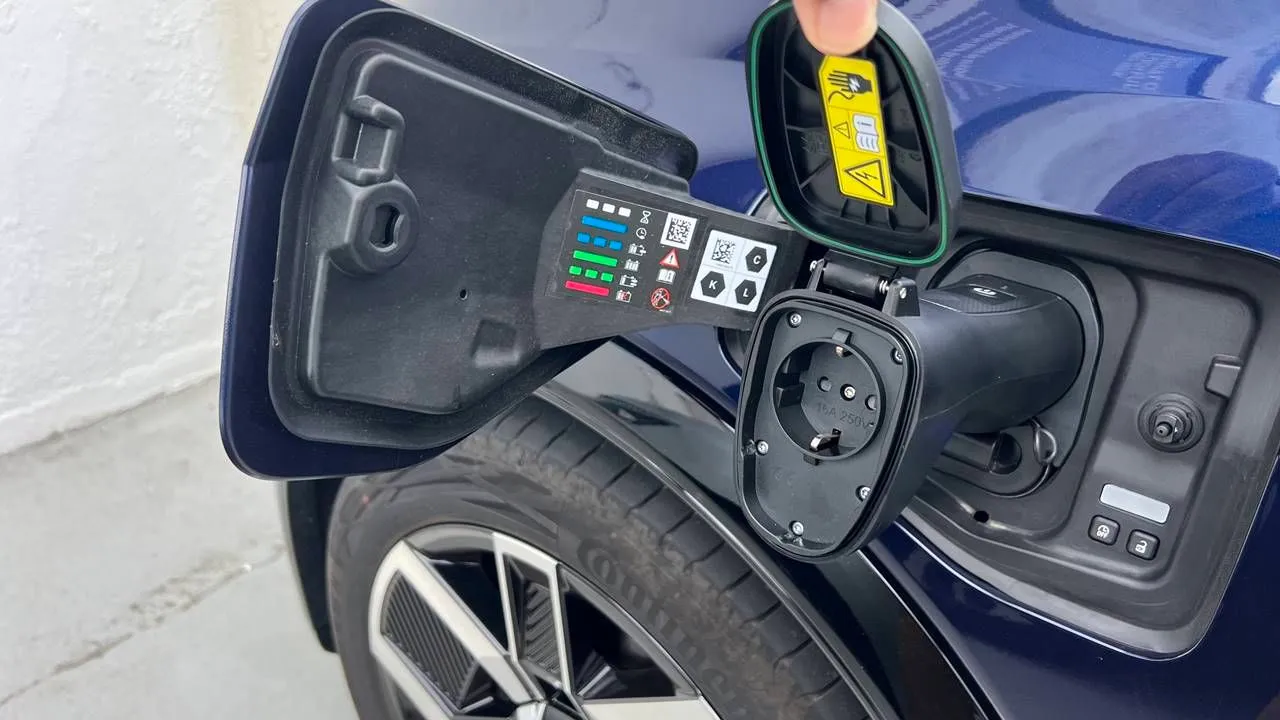
The comparison with Mobilize Power V2G’s current service will be particularly significant. Renault already sells a bidirectional Plug Inn PowerBox charger at an announced price of 1,599 euros, including installation, and claims a savings of 250 euros compared to its own service. To use it, one must subscribe to a compatible electricity tariff and own one of the approved models, including the Renault Twingo E-Tech, Renault 4, Renault 5, Renault Mégane E-Tech, and Renault Scénic E-Tech, depending on the version.
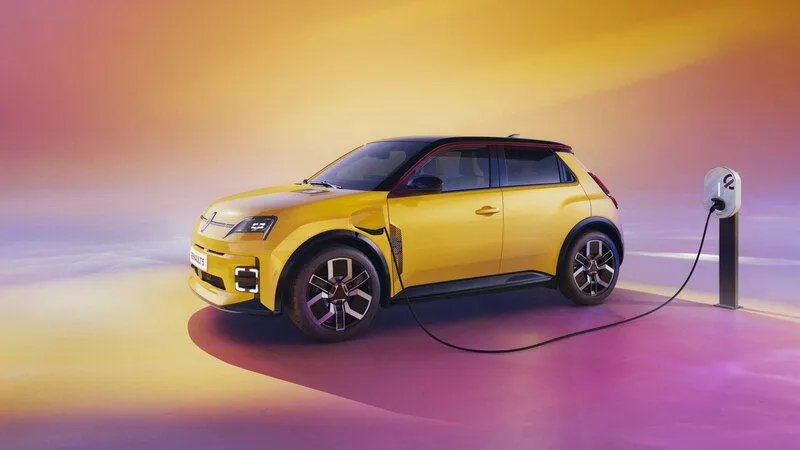
The agreement with EDF will need to demonstrate what advantages it offers over this alternative, both in terms of installation costs and compensation for electricity fed back into the grid. It will also be necessary to verify whether the new proposal expands the list of compatible cars or makes access to the service easier through simpler contractual terms.
Another aspect to monitor is the potential impact of additional charging cycles on the battery. A study by RWTH Aachen University, cited by industry media, estimated a 21% degradation after ten years in a V2G scenario, compared to 18% with conventional charging and 12% with smart charging that does not return electricity to the grid. These results depend on the specific conditions analyzed and should not be interpreted as an identical prediction for all vehicles, but they do highlight that economic savings must be weighed against possible additional wear and tear.
The logic behind this technology is simple: charge when electricity is abundant and release some of it when the system needs more energy. With the growing capacity of solar and wind power generation, having thousands of connected batteries can help make better use of renewable energy output. The question is whether the compensation offered to drivers will be sufficient to make the system attractive without compromising their mobility needs.
Why is Renault partnering with EDF when it already offers V2G?
Renault launched Mobilize Power V2G in 2024 in collaboration with The Mobility House, a German company specializing in energy management and integrating electric vehicle batteries into power grids. Therefore, the partnership with EDF does not mean starting from scratch, but rather attempting to bring an existing technology to a broader market.
The French company believes that EDF’s experience in the energy sector and its ability to manage electricity will enable it to expand the service to more customers. For the manufacturer, the goal is to make bidirectional charging a more accessible commercial option rather than limiting it to users willing to handle the technical complexities of installation and contracting on their own.
It remains unclear how the new offering will coexist with Mobilize Power V2G and what role The Mobility House will play when it’s time to implement the agreement. Renault and EDF have not yet specified whether the new service will complement the existing system or require changes to their partners and terms. Until these details are known, the advertised savings should be viewed as an interesting possibility, but still pending verification under actual usage conditions.