
Renault revives the Espace for the electric era: here’s the stunning E-Space Concept
Renault revives one of its most iconic names from its history in Paris to look toward the future. The Renault Espace was far more than just a family car when it debuted in 1984: it introduced a new way of thinking about family trips and helped popularize the concept of a vehicle designed both for commuting and enjoying what’s inside. Now, over four decades later, the French brand aims to carry this philosophy into a new era.
The venue chosen could not be any other than the Paris Motor Show. Renault will attend with a thoroughly refreshed lineup and several prototypes, but all eyes will be on a model we still do not know fully. The Renault E-Space Concept will make its world premiere on October 12th, offering a glimpse at the brand’s next generation of family cars.
The name is no coincidence. Renault takes the concept of the Espace directly and reimagines it as a completely new interpretation of so-called “voitures à vivre” — cars designed around people rather than just their technical specifications. This proposal comes at a time when the brand is accelerating its transition to electric vehicles and seeking new ways to differentiate its family models.
Renault E-Space Concept: The return of an idea that changed the family car
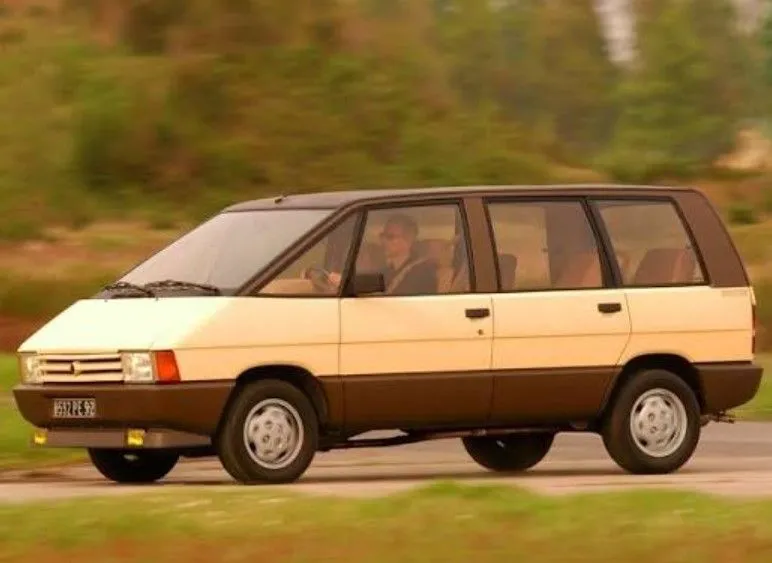
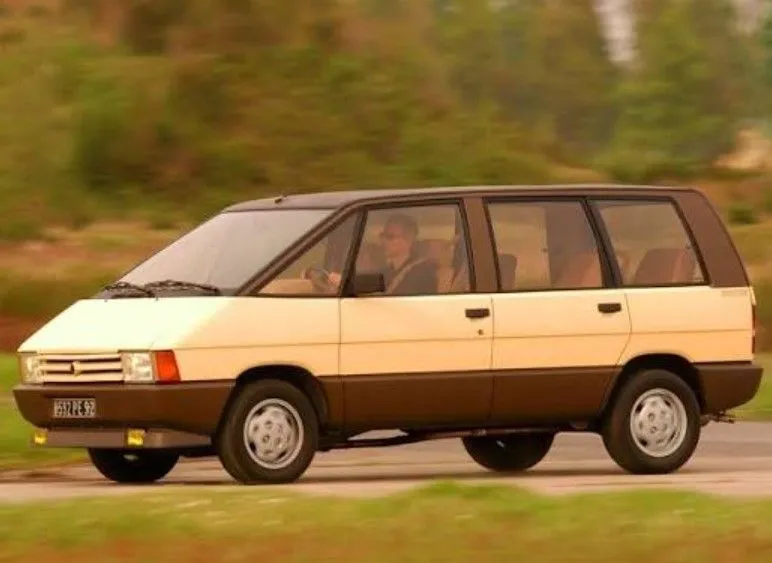
To understand the importance of the E-Space Concept, we must go back to 1984. That year, Renault introduced the Espace developed alongside Matra—a car that broke away from traditional designs thanks to its monocoque body, very spacious interior, and exceptionally modular layout. The first generation sold nearly 200,000 units by 1991.
The original Espace was, to a large extent, the realization of Renault’s philosophy of creating “cars for living.” The seats could be removed and reorganized, the front seats could rotate to create a sort of lounge when the car was stationary, and its enormous interior space became one of its main selling points. Renault even used the 1984 Paris Motor Show to showcase these features, after the model had faced difficult commercial beginnings.
More than 40 years later, the E-Space Concept builds on that same idea but applies it to a completely different context. The “E” refers to E-Tech, the term Renault uses for its electrified technologies, while “Space” once again emphasizes the available space and the in-car experience.
For now, Renault is deliberately keeping most of the prototype’s features secret. The brand has not yet revealed its propulsion system, battery capacity, range, power output, or the final layout of the interior. And this is important, because we are dealing with a concept car designed to showcase a new design direction and a fresh approach to family vehicles, rather than a production model whose specifications have all been announced.
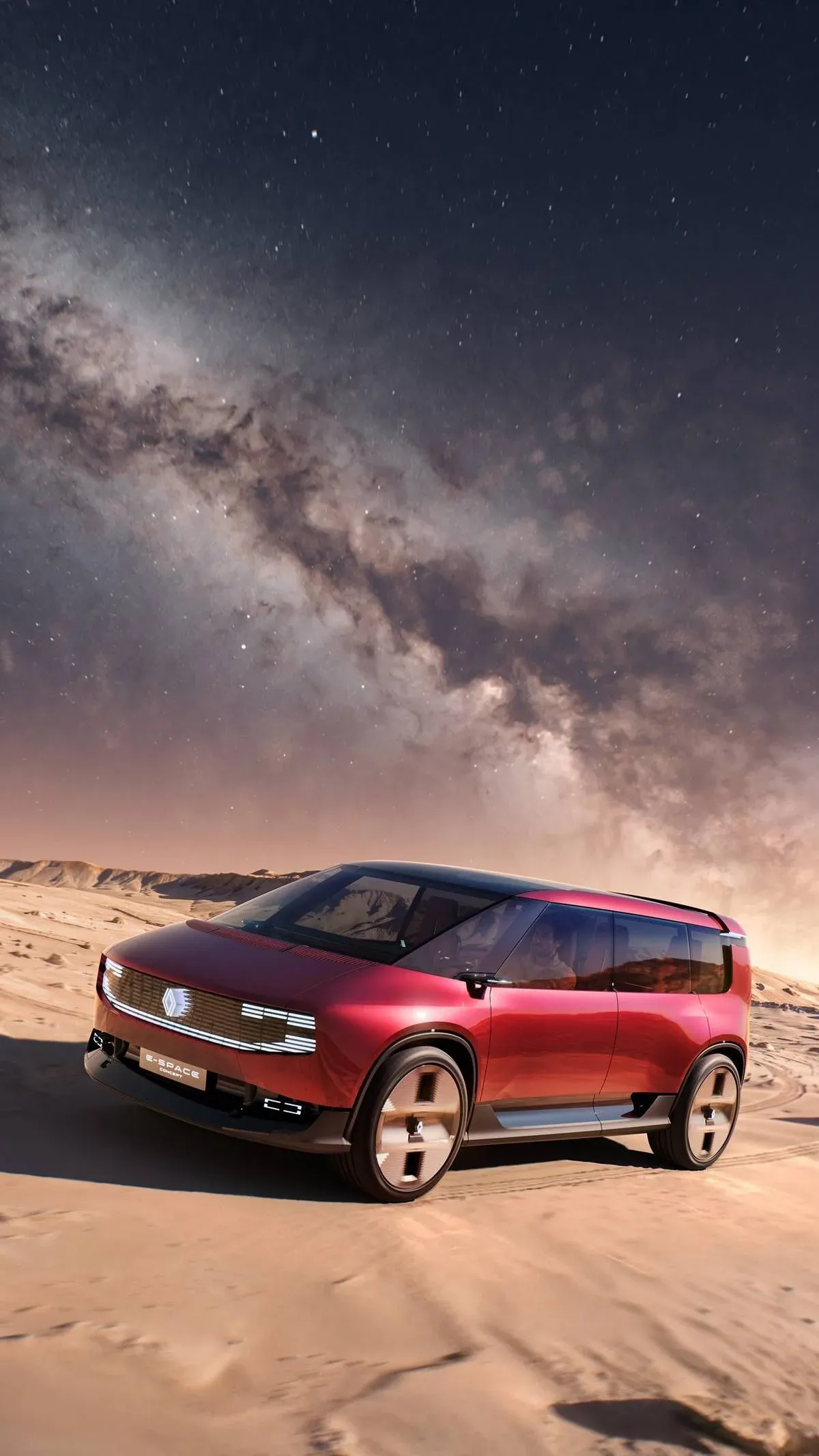
What we do know is its size. The Renault E-Space Concept measures 4.70 meters in length, a figure that places it at a considerable size within the French manufacturer’s lineup and aligns with the family-oriented focus of the project. Renault presents it as a vehicle with generous proportions, though its silhouette is much more dynamic than that of traditional large family cars.
The exterior design is precisely one of the elements that draws the most attention. The body is finished in Rubé black, a color chosen to enhance its elegant and technological appearance, while the overall proportions suggest a family vehicle that aims not to go unnoticed.
A large illuminated logo in U shape appears on the front, essentially outlining the edges of the body. The same design element is repeated at the rear, creating a highly recognizable visual identity. At the center of the front, there is also an illuminated rhombus that seems to float above the body thanks to a pixel-inspired visual effect.
This represents a clear evolution of the design language Renault is using in its new models. But the E-Space Concept goes further: the brand is trying to regain the ability to surprise that the original Espace had, though now through lighting, digital surfaces, and an image much more aligned with that of a vehicle designed for the electric era.
The interior remains one of the biggest secrets. Renault talks about a spacious, technological, and comfortable space, but it has not yet provided enough information to reveal its final layout, seating capacity, trunk dimensions, or modular options. That is precisely why it will be particularly interesting to see what the brand has done with one of the elements that historically defined the Espace: making the most of the available space.
This strategy is especially significant because the current Renault Espace is no longer that large minivan that defined an era. The sixth generation adopts a five- or seven-seater family SUV layout, while maintaining the philosophy of comfort, space, and long-distance travel that has characterized the model since its inception.
The E-Space Concept seems to aim at exploring what the next step could be. Renault has not confirmed that it will become a production model outright, but the fact that it is presented as a contemporary vision of family mobility in the electric era makes it clear what role it plays within the brand’s future strategy.
And this is probably the most interesting part. Renault is not using the E-Space Concept merely to showcase an impressive design, but rather to illustrate what a family car should look like when electrification allows for the removal of some of the traditional constraints imposed by internal combustion engines. More space for passengers, new possibilities for layout, and a greater emphasis on the in-car experience are all part of this vision.
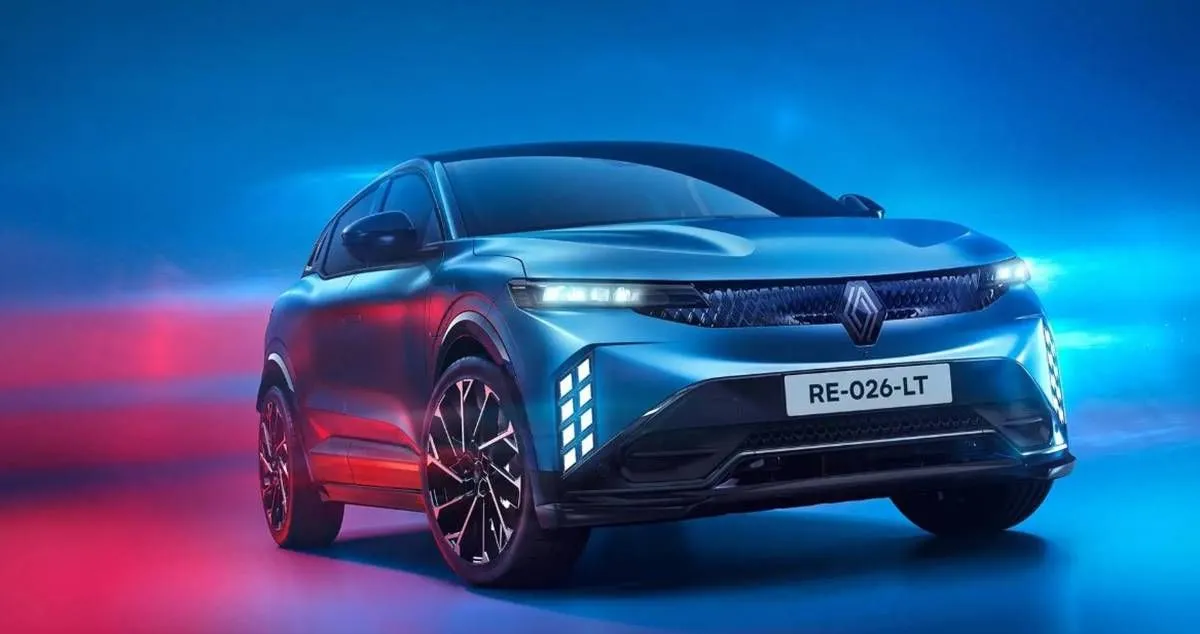
The rest of the lineup that Renault will bring to Paris serves to reinforce this message. The new electric Megane E-Tech features a 67 kWh LFP battery, offering up to 500 km of range, while fast charging allows the battery level to go from 15% to 80% in about 24 minutes. It also introduces new connectivity features and Google’s Gemini artificial intelligence.
The Renault 5 Turbo 3E will be featured in an extremely customized configuration and as an engineering prototype very close to the production model. This small electric sports car delivers 555 horsepower thanks to two motors located in the rear wheels, making it one of Renault’s most radical offerings today.
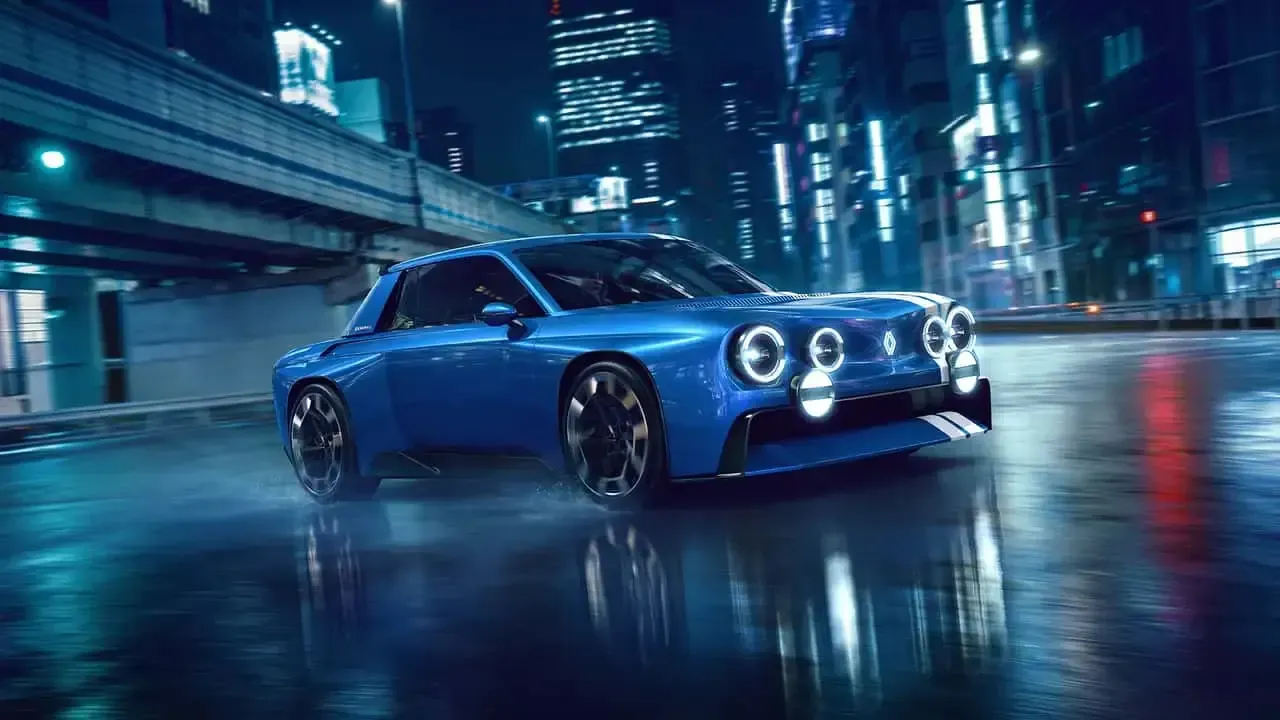
There will also be a display for the Renault 8 Gordini Concept, an electric two-seater coupe inspired by one of the brand’s most iconic sports models, as well as the Renault 4 JP4x4 Concept, which revives the spirit of the Plein Air and JP4 versions with a four-wheel-drive setup. Renault previously unveiled the Renault 8 Gordini Concept last September and will now present it to the public at the show.
The electric Renault Twingo E-Tech will feature the Twingobay panoramic glass roof, while the Renault Rafale will come with the limited edition Hypnotic on the most equipped version of the range. The brand also continues to incorporate LFP batteries into its electric lineup, a strategy aimed at reducing costs and enhancing the competitiveness of its models.
Renault Pro+ will also have a distinct presence with its commercial vehicles, including the new electric Renault Trafic Furgón E-Tech, which uses an 800-volt architecture and has been recognized as the International Commercial Vehicle of the Year 2027.
The official unveiling will take place on October 12. It will be then that Renault reveals the interior of the E-Space Concept and, presumably, provides more details about the technology hidden beneath this family car’s body. For now, the brand offers an impressive design and a fairly clear message: the spirit of the Espace still has a long way to go.
