
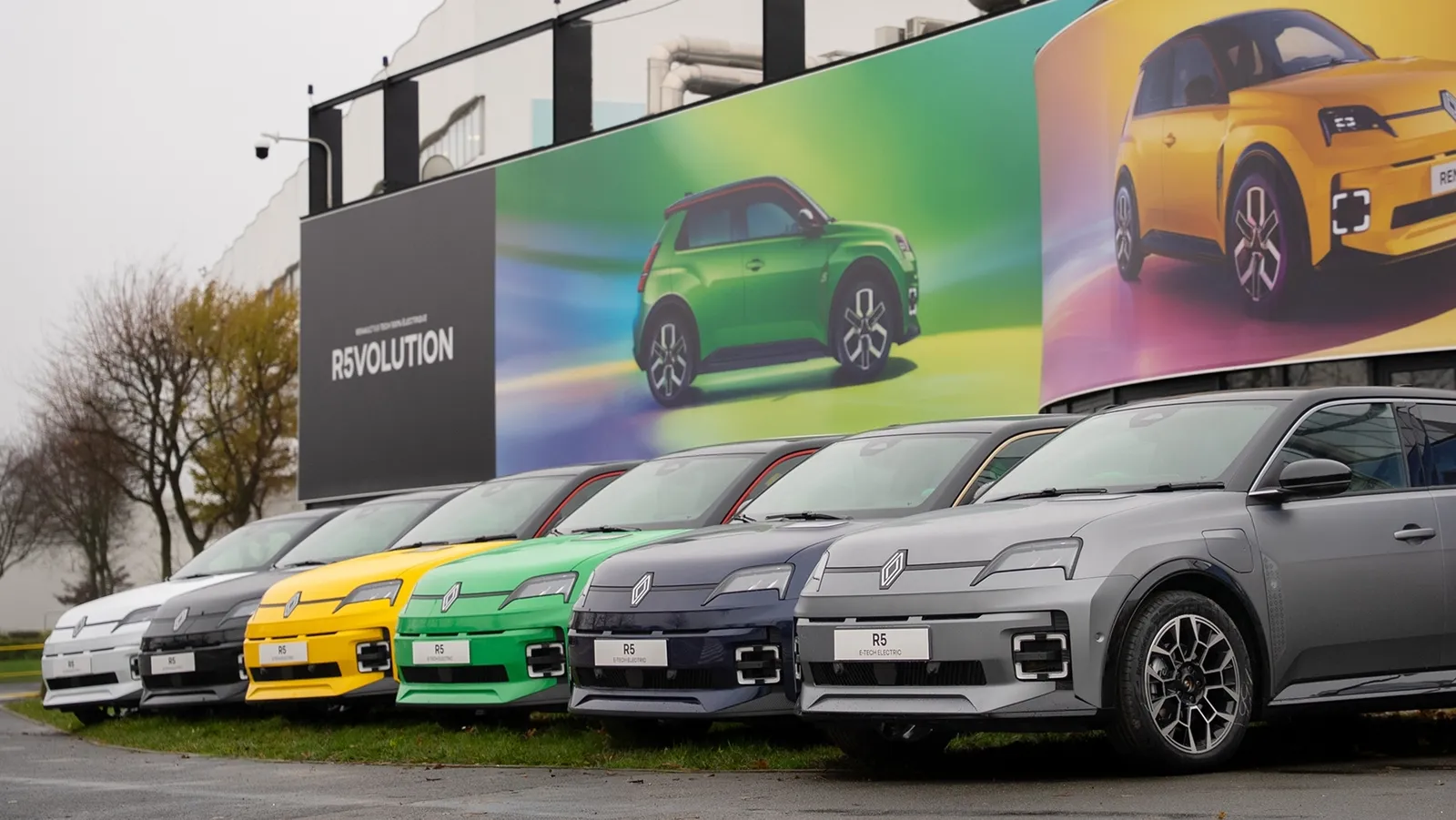
Renault confronts China with a decision that puts Spanish factories at the center of everything: 600,000,000 euros are on the line.
13/10/2026 17:00
Updated to
13/10/2026 17:00
The Spanish automotive industry continues to play a vital role in the plans of some of Europe’s leading manufacturers, especially at a time when electrification is transforming both the models that reach dealerships and the production chains themselves. Renault is one of the best examples of this trend, thanks to its 75-year-long industrial presence that keeps Spain among the most important countries for its operations.
Indeed, the French company took advantage of an event held in Zaragoza to highlight the work being done at its facilities in Spain, where it currently produces a large portion of its hybrid models, and to emphasize that Spanish manufacturing is one of its key assets for competing in a market increasingly dominated by Chinese brands. This strategy is further supported by new investments and a sales network that includes over 300 outlets in Spain.
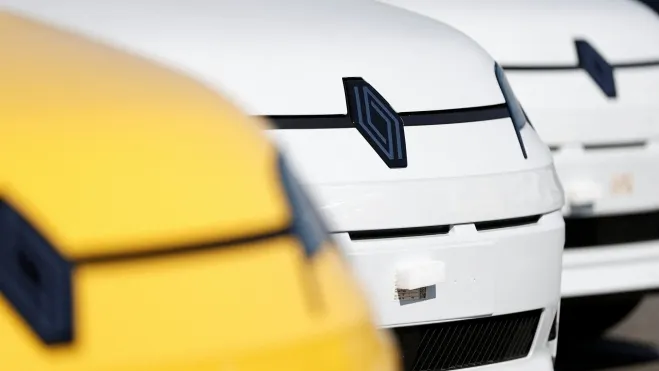
Renault makes Spanish production a cornerstone of its European strategy
During the meeting, Erdem Kizildere, general manager of Renault and Alpine in Spain, described our country as the second home of the automotive group, emphasizing its commercial importance as well as the industrial capacity it has developed over the past decades. This trajectory has enabled the factories in Valladolid and Palencia to specialize in electric vehicles and become key production centers to supply various international markets.
This specialization is also reflected directly in national registrations, as 54.9% of Renault vehicles sold in Spain from January to July 2025 came from Spanish factories, amounting to 27,996 vehicles, according to data published by the company itself. Renault also identifies our country as its main global hub for hybrid production, with five out of the seven models equipped with full hybrid E-Tech technology it was selling at that time being manufactured there.
The production of these vehicles is distributed between two industrial centers, each offering a distinctly different range. Valladolid manufactures the Renault Captur and Symbioz, two compact SUVs designed to meet various space requirements, while Palencia handles the Austral, Espace, and Rafale — larger models ranging from family-friendly seven-seater options to the brand’s highest-end SUV, all of which come in hybrid versions that allow driving on electricity without relying on charging stations.
A multi-million euro investment to expand factory operations in Spain
Beyond the vehicles currently leaving these facilities, Renault has already planned a new production cycle backed by 600 million euros in investment between 2026 and 2030. This amount, combining internal funds and government subsidies, will be used to adapt its industrial sites to manufacture five new models, including two electric vehicles in the C segment. It will also involve setting up a new battery assembly line in Valladolid and strengthening activities related to engineering and technological innovation.
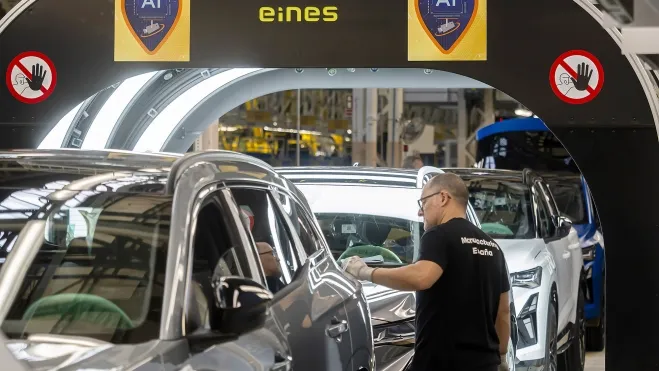
With this planning, Renault aims to maintain the relevance of its Spanish facilities within its international organization as it prepares for the transition to new generations of vehicles, relying on the experience gained in manufacturing hybrids and on planned investments to modernize its production capacity. These two elements are intended to strengthen the company’s competitiveness in the face of changes in the European automotive market.