
Renault is fixing the flaws in the electric Kangoo: longer range, faster charging, V2L — here’s what’s changing
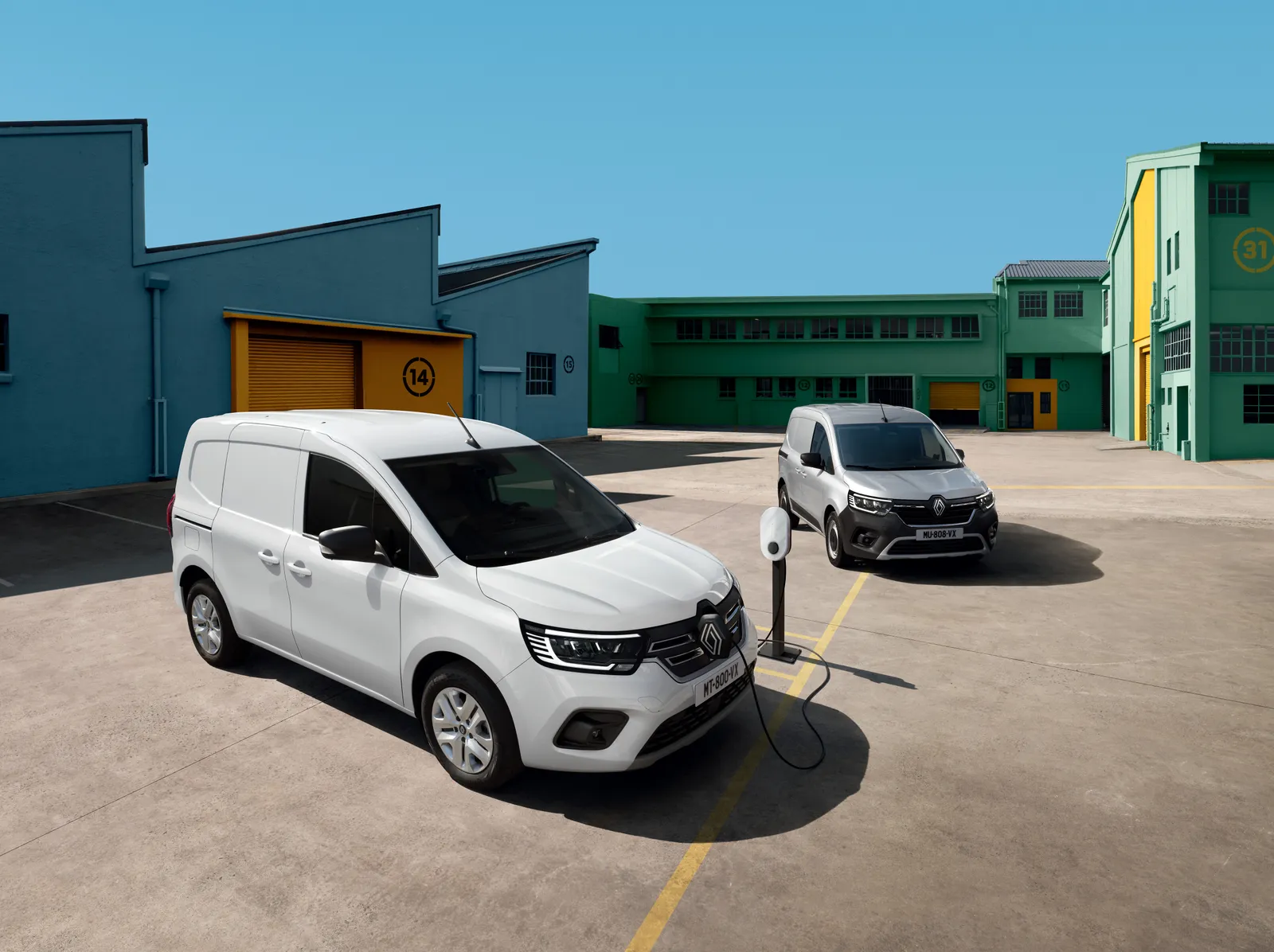
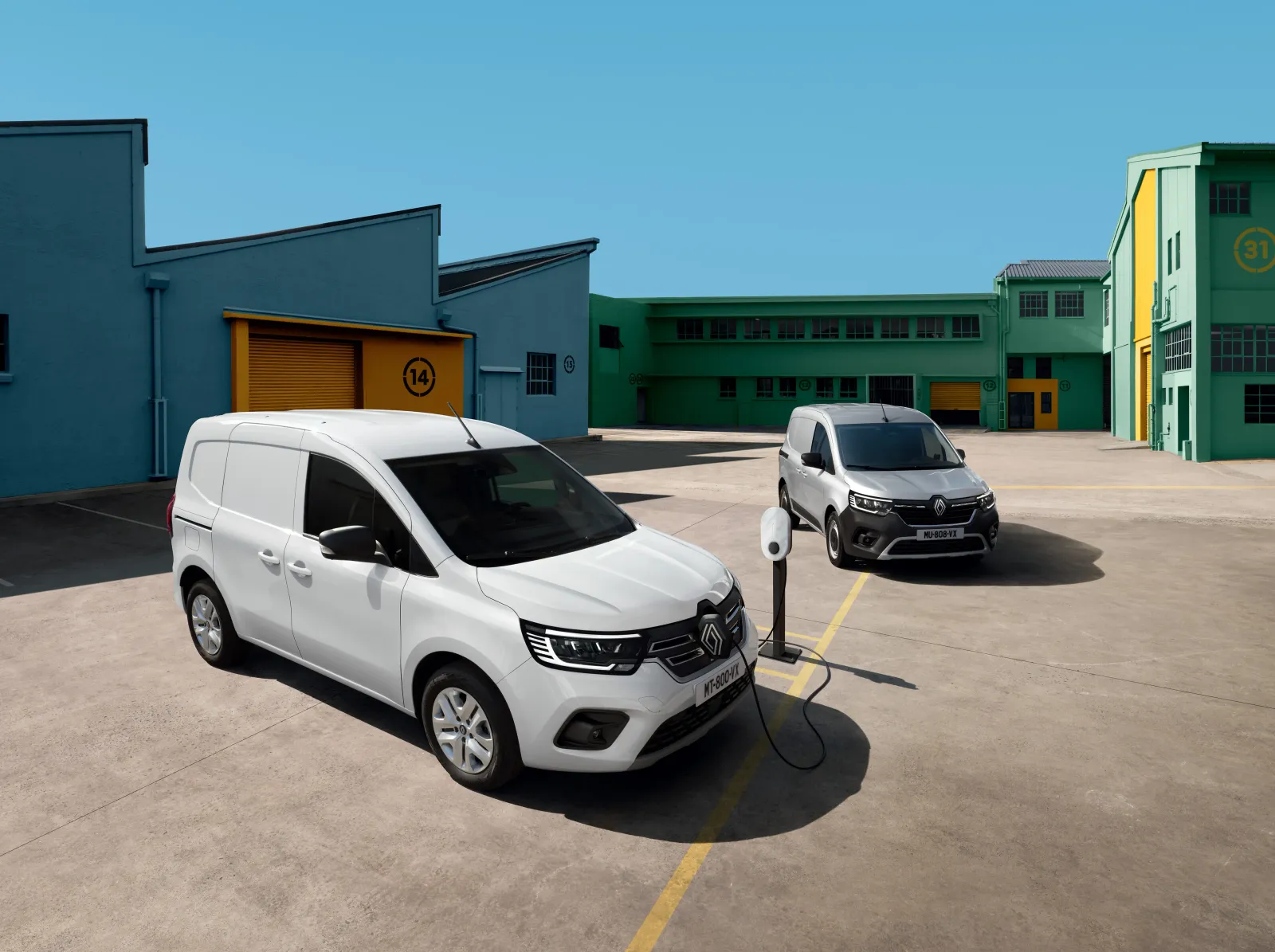
Renault isn’t waiting for the Kangoo’s restyling to update its electric version. It is replacing the battery, resulting in a significant increase in range.
A few weeks ago, a Kangoo prototype with a camouflaged front end was captured by news photographers. Renault is preparing a restyling for its compact utility vehicle and its ludospace version, with a launch expected in 2027. But surprisingly, even before the restyling, Renault is announcing major updates to the electric version, whether it’s the VP or VU model, with the latter clearly being the most important for sales with this type of powertrain.
Longer Range
While the arrival of the LFP version was anticipated, the 45 kWh NMC battery has been replaced with a 52 kWh NMC battery, the same one used in the R5. This results in a significant increase in range, with up to 354 km compared to 301 km on the shorter utility version. This enhances the vehicle’s versatility, especially in winter.
Faster charging
The maximum DC charging power has increased from 80 to 100 kW. As a result, the Kangoo can now reach 15% to 80% charge in 30 minutes, down from 40 minutes previously. A 30-minute charge now allows for up to 240 km of range, compared to 179 km before, meaning an additional 61 km in the same amount of time.
For AC charging, it remains at 11 kW as standard and 22 kW as an option.
The Kangoo now offers V2L functionality, which allows using energy stored in the battery to power compatible electrical devices from outside the vehicle.
More Power
The 90 kW (120 hp, with 245 Nm of torque) engine is replaced by two options. The first option delivers 100 kW (135 hp) and 270 Nm of torque. The second option reaches 115 kW (155 hp), with a maximum torque of 300 Nm.
Both engine options come with driving modes suited to their power levels. The 135 hp version offers Eco and Normal modes, while the 155 hp version adds a “Perfo” mode, which is particularly useful when the vehicle is fully charged.
New Features
There are now four levels of regenerative braking, up from three before, along with steering wheel paddles. Additionally, the gear shift lever has been replaced by a new “e-shifter” located on the dashboard.
The new EV Route Planner assists the driver in planning trips, while battery preconditioning prepares the battery ahead of a charge. This feature can be activated automatically when the user schedules a route in the multimedia system or via a control on the dashboard.
A new touchscreen
The touchscreen size increases from 8 to 10 inches and adopts the Open R Link system, available in two configurations that include smartphone mirroring (Apple Car Play and Android Auto). The first configuration comes without navigation, while the second adds built-in navigation and access to apps. In the latter version, HERE maps replace the previously used TomTom solution.
Connectivity also improves with the addition of several USB-C ports. The wireless smartphone charger has been upgraded as well; it is now magnetic and ventilated, with its power output increasing from 15 to 25 W and it includes Magsafe functionality.
The prices will be revealed in a few weeks.