
Renault updates the electric Kangoo: longer range, fast charging, and up to seven seats
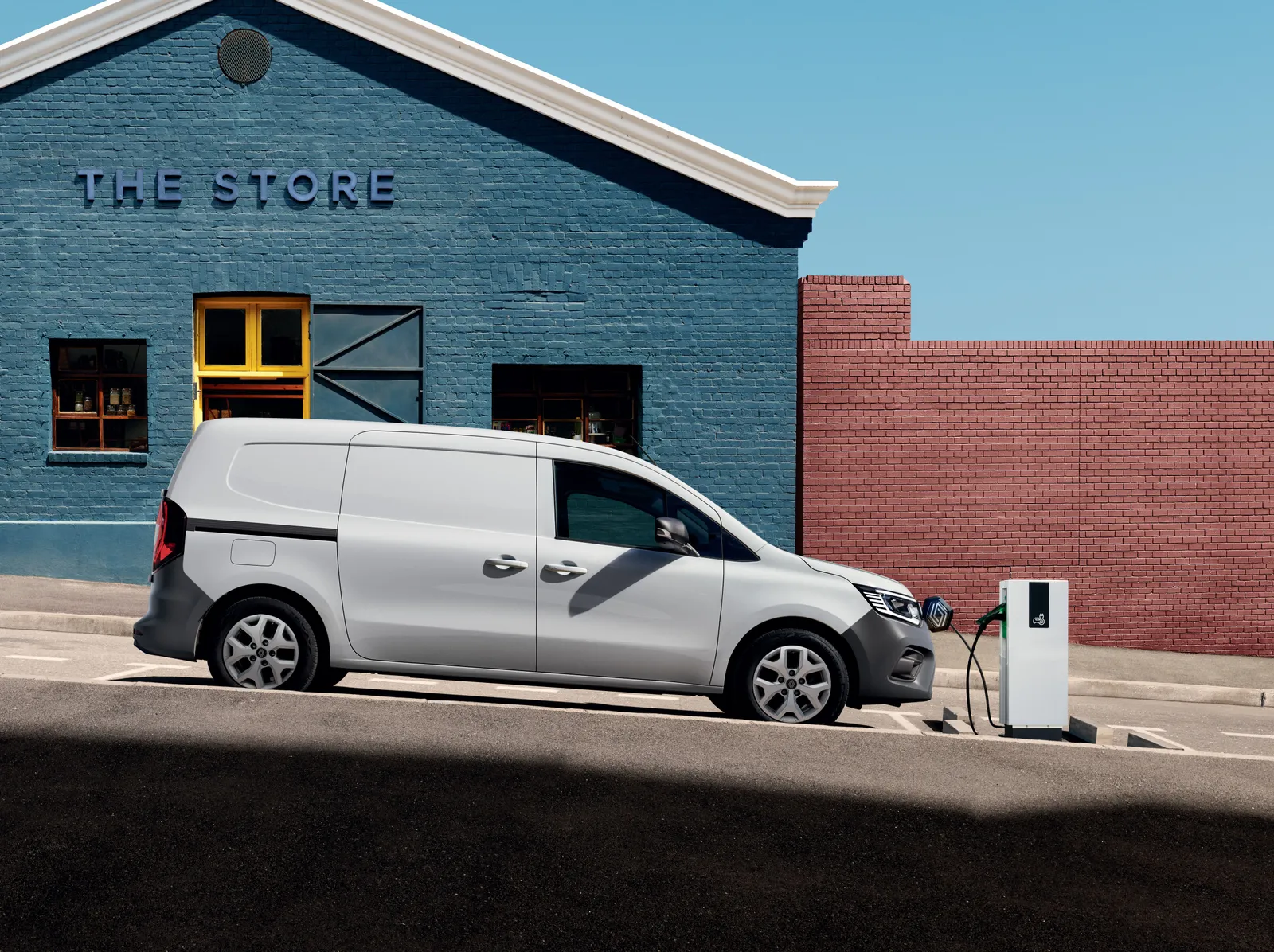
The van segment is seeing growing interest, largely due to the skyrocketing costs of diesel. Now, Renault is updating its Kangoo Van and Kangoo Combi with a series of improvements aimed at enhancing this popular model, introducing significant new features to its lineup.
The changes affect key aspects such as the propulsion system, energy management, and multimedia system. The French manufacturer is also expanding the features specific to electric driving, offering tools designed to facilitate long-distance travel and make better use of charging options. All this is done without sacrificing the versatility that has made the Kangoo one of the benchmark models in its category.
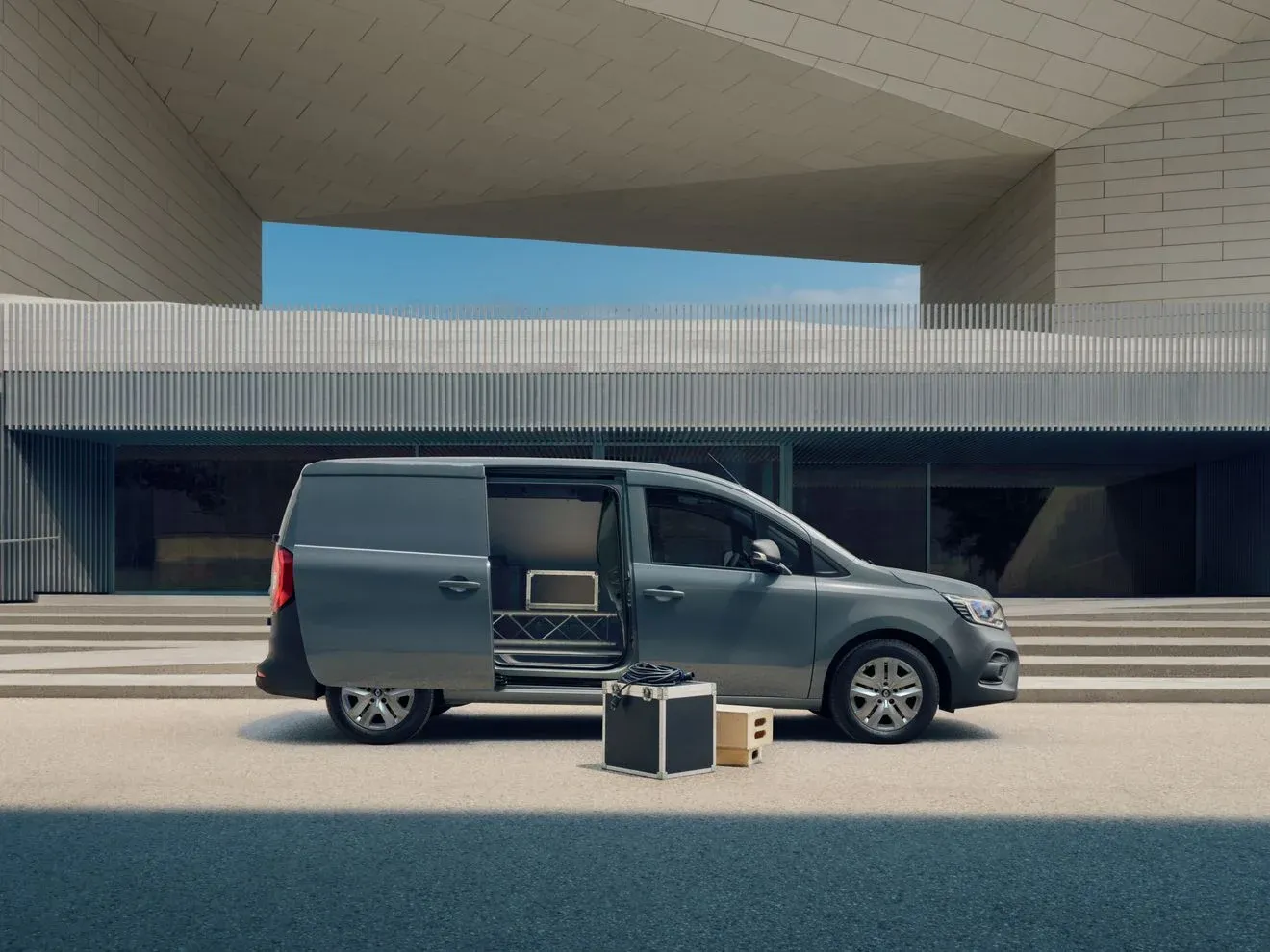
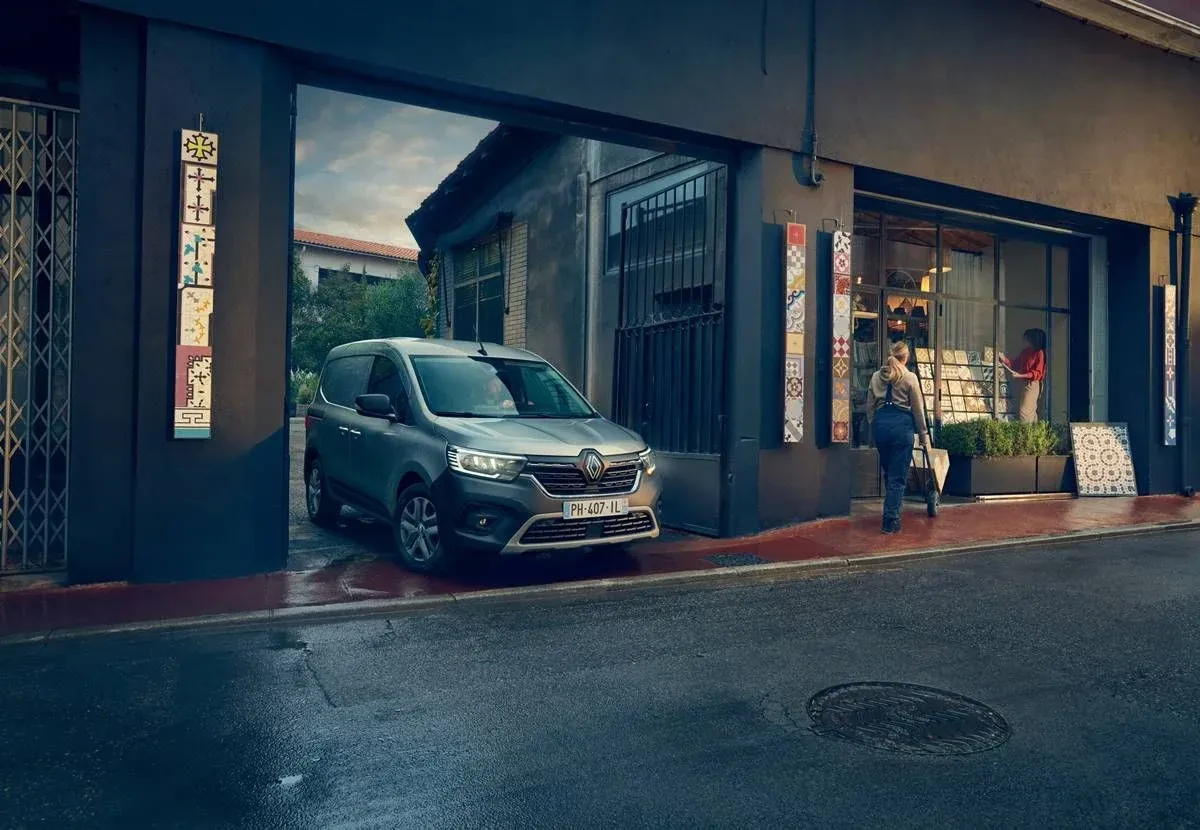
The Renault Kangoo Van range is available in two body lengths of 4.49 and 4.91 meters, along with different seating configurations. The Kangoo Combi, designed for passenger transport, can accommodate five passengers, while its larger version, the Grand Kangoo, can seat up to seven people.
For the van model, options include two- or three-seater configurations as well as double-cab versions with five seats. The longer body length also features wide sliding side doors that facilitate entry into the cabin and loading of bulky items. Renault continues to emphasize French manufacturing by assembling both models in Maubeuge.
A larger battery and two new electric motors
The main innovation of the Renault Kangoo E-Tech electric vehicle lies in its propulsion system. The model features a new NMC chemistry battery containing nickel, manganese, and cobalt, which increases its capacity from the previous 45 kWh to 52 kWh. This is a technology that the group already uses in models such as the Renault 5 E-Tech electric vehicle and the Renault 4 E-Tech electric vehicle.
With this improvement, the electric Kangoo can achieve up to 354 kilometers of WLTP range, although this figure is still pending approval and will depend on the body style and configuration chosen. The increased capacity aims to provide more flexibility for daily use and reduce the need to stop for charging when making frequent trips between different locations.
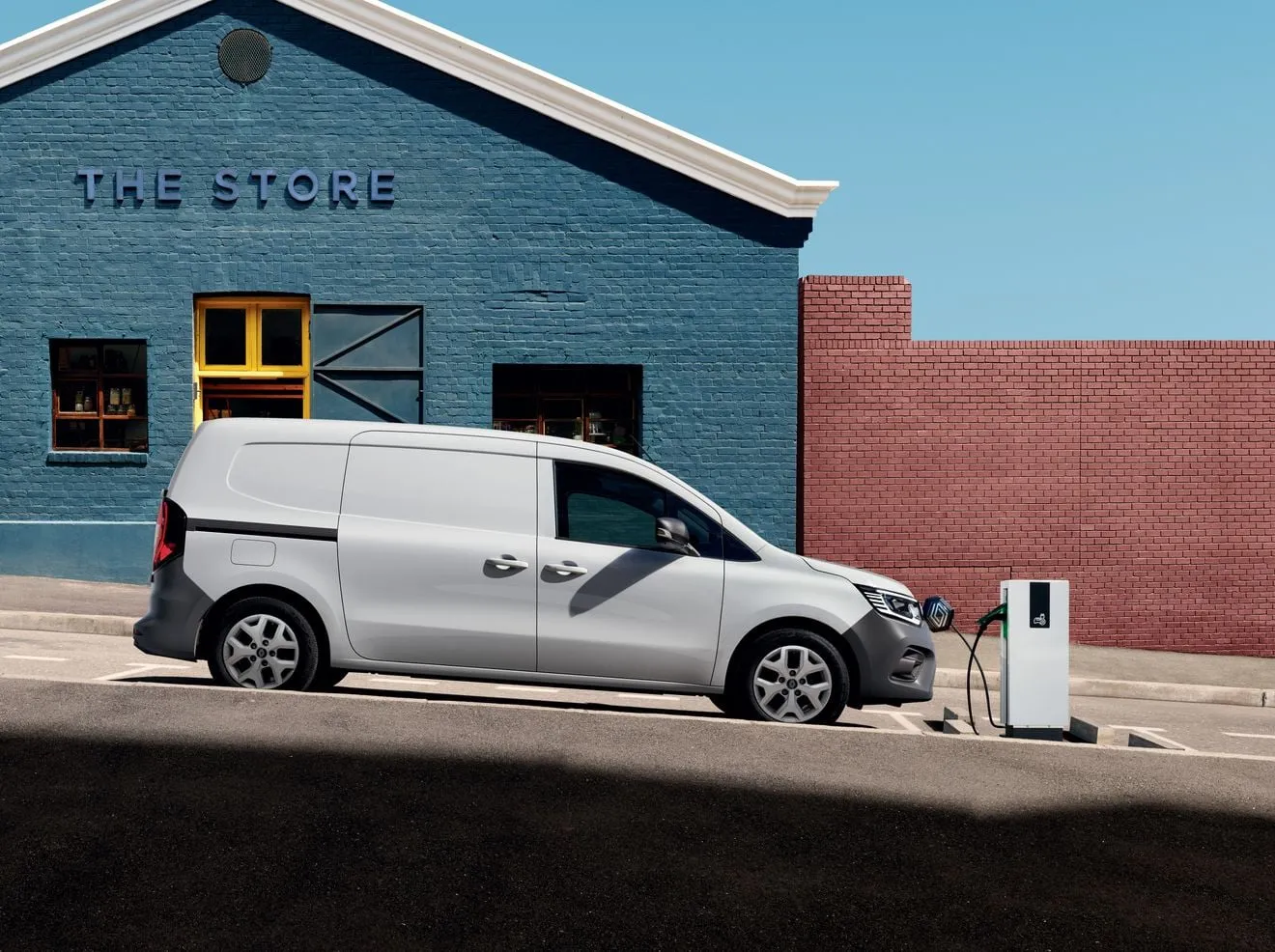
Fast charging has also seen an upgrade. The maximum power at DC has increased from 80 to 100 kW, allowing the battery to go from 15% to 80% charge in about 30 minutes, compared to 40 minutes required by the previous version. Renault claims that up to 240 kilometers of range can be regained in the same time frame, a significant improvement for those who use the vehicle intensively.
For AC charging, the model offers 11 and 22 kW options depending on the version. With a 11 kW home charger, it takes approximately three and a half hours to charge from 15% to 80%. If a 22 kW compatible charger is available, the charging time is reduced to one hour and 45 minutes. In both cases, a heat pump remains part of the system to improve energy efficiency and thermal comfort.
The other major mechanical update lies in the engines. The range moves away from the previous 120 CV and 245 Nm engine to offer two alternatives: one with 135 CV and 270 Nm, and another more powerful version with 155 CV and 300 Nm. Both share technology with the Renault 5 and Renault 4 electric models, aiming to improve the vehicle’s responsiveness when accelerating, merging onto a highway, or overtaking with a load.
The 135 CV version comes equipped with Eco and Normal driving modes. Above it is the 155 CV variant, which adds a Perfo mode within the MySense system, designed to provide more direct response when higher performance is needed, such as while driving with a loaded vehicle. Renault has not yet provided acceleration figures for these new engines.
There are also changes in energy recovery. The electric Kangoo E-Tech now features three to four levels of regenerative braking, which the driver can select using levers located behind the steering wheel. This allows for adjusting braking intensity to road conditions and enabling easier energy recovery in urban areas or during deceleration phases.
More technology to plan trips and improve the in-car experience
Renault has used this update to add new features that simplify daily use of the electric Kangoo. These include the EV Route Planner, a tool for planning routes based on charging needs, as well as battery preconditioning before heading to a charging station.
This latter function prepares the battery for charging and can be activated automatically when scheduling a route through the multimedia system or manually. The vehicle also allows for preconditioning the cabin, remote charging management, and scheduling of charging times—options that can be useful for organizing workdays or taking advantage of the most convenient hours to charge.
Another addition is V2L technology, which allows the energy stored in the battery to power compatible external electrical devices. In a work van, this feature can be particularly useful for connecting tools or auxiliary equipment without relying on an independent power source, provided the necessary equipment is available.
The interior also benefits from technological upgrades. Both the Renault Kangoo Furgón and Kangoo Combi now come equipped with a 10-inch multimedia screen, up from the 8 inches in previous models. Renault claims that the new interface offers better image quality and a response speed up to twice as fast.
The OpenR Link system will be available in two configurations, both compatible with Apple CarPlay and Android Auto. The basic option allows displaying mobile phone functions on the vehicle’s screen, while the more advanced version adds integrated navigation and access to apps. In this latter version, HERE’s mapping replaces the TomTom solution that was used previously.
The electric versions also include in the interface tools specific for managing range, planning routes, and organizing charging stops. The goal is to simplify these operations and prevent drivers from having to use different apps to prepare a trip.
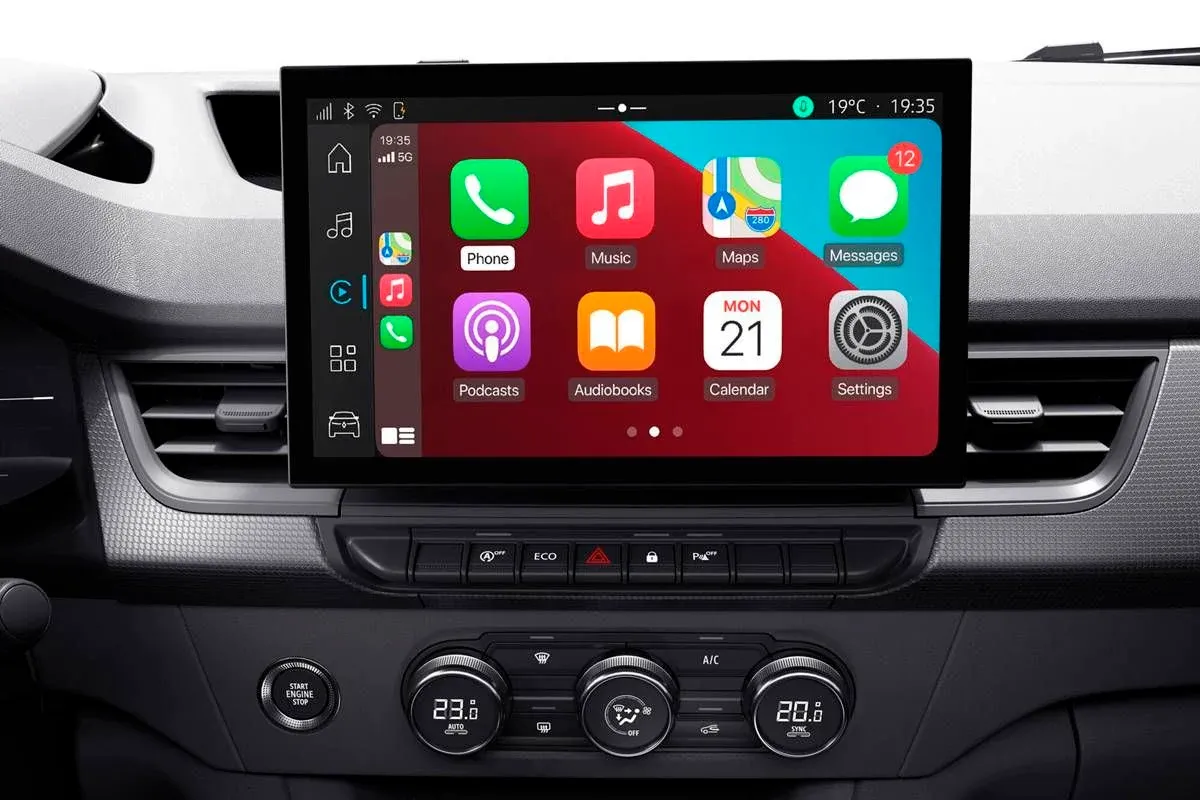
Connectivity is enhanced with USB-C ports added across the entire range. The Kangoo Combi offers two additional connections for passengers in the rear seats, while the wireless phone charger has its power increased from 15 to 25 W, includes cooling functionality, and is compatible with MagSafe.
A new emergency call button and a telematics unit compatible with 4G and 5G networks for eCall services are also included.
In the industrial sector, Renault continues to manufacture the Kangoo Van and Kangoo Combi in France. The Maubeuge plant is responsible for assembling the vehicles, while 52 kWh batteries are produced in Douai, electric motors in Cléon, and chassis modules in Le Mans. Thus, the model carries a “Made in Europe” label.
So far, Renault has not announced the prices for the new versions of the Kangoo Van and Kangoo Combi. The brand will reveal the pricing in the coming weeks, so it will take some time to determine how much the upgrades will cost and how the electric versions will compete with their gasoline-powered alternatives.