
By reducing the energy required by 17%, Norway is pushing solar power plants and carbon capture processes to new heights.
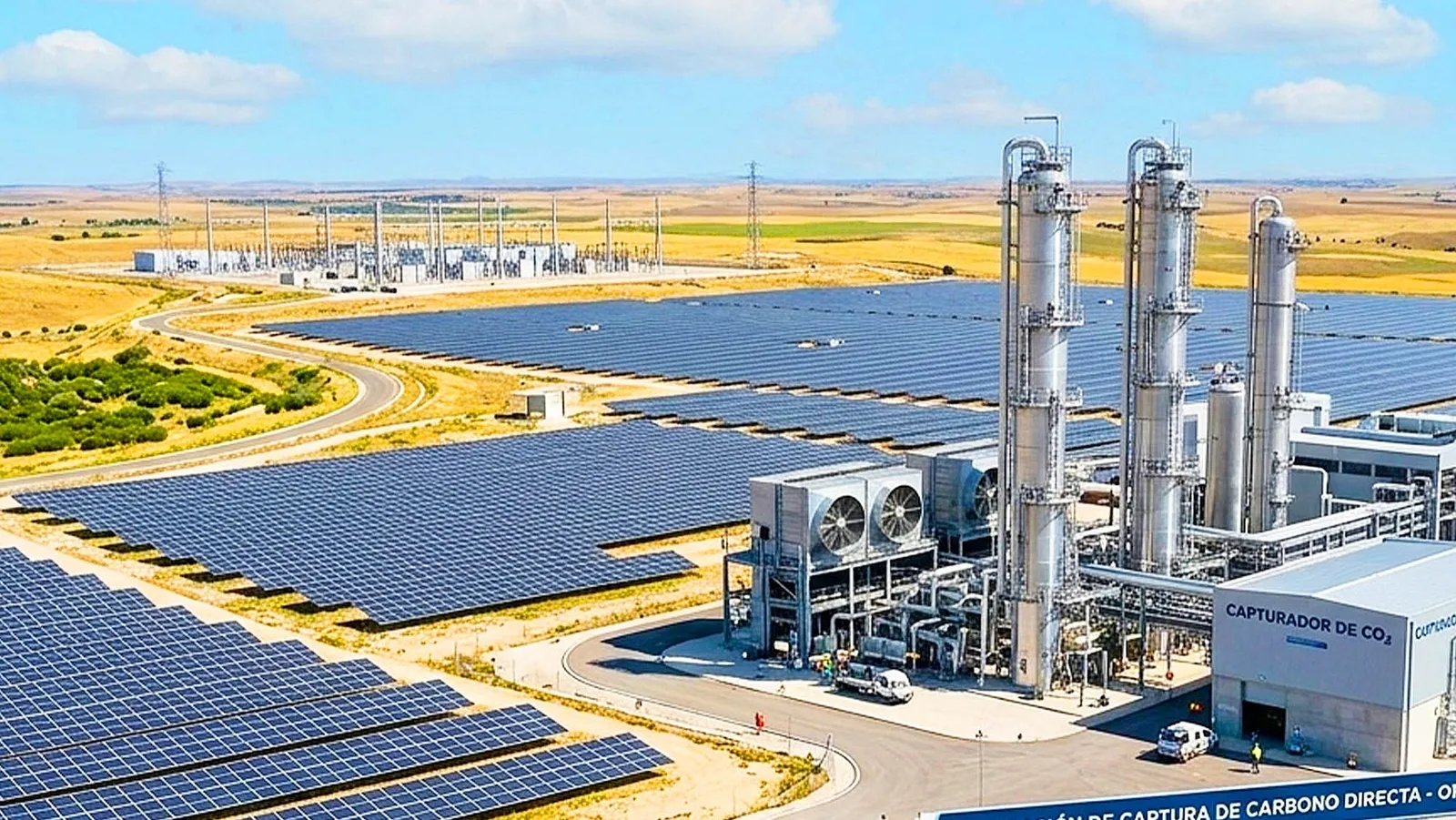
Industrial CO₂ capture is a set of technologies that intercept carbon dioxide generated in industrial processes before it reaches the atmosphere. In cement plants, steel mills, refineries, or power plants, CO₂-rich combustion gases are extracted, separated, and concentrated using methods such as post-combustion, pre-combustion, or oxy-fuel. Once separated, the CO₂ is ready for transportation or treatment, preventing it from being released directly and contributing to global warming.
After capture, carbon dioxide can follow two paths: its safe storage deep underground in geological formations, where it remains isolated for long periods, or its use as a raw material in other industrial processes. The second option converts CO₂ into products such as synthetic fuels, plastics, or building materials, integrating it into a circular economy.
Norway’s pilot project at a glass plant in Italy
A group of Norwegian researchers has made significant progress in applying solar energy to energy-intensive industrial processes such as carbon dioxide (CO₂) capture. Developed by experts from the technology center SINTEF in collaboration with Svalin Solar, this project combines photovoltaic power generation with useful heat recovery, reducing the energy required to capture CO₂ by 17% compared to conventional processes.
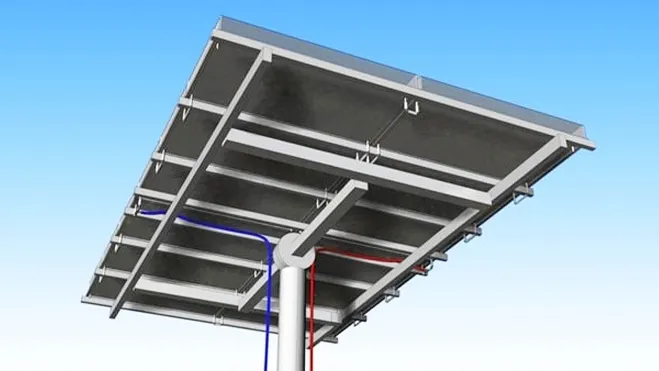
The pilot plant, located in the Multiphase Laboratory in Tiller, south of Trondheim (Norway), combines five-meter-tall solar cells with a mirror system and a solar tracker that orient the modules throughout the day to maximize radiation capture. Beneath these cells, a pipeline system filled with a thermal fluid absorbs heat to raise it to 60 °C, and through an advanced heat pump, the temperature is increased to the 130 °C required to initiate the carbon capture cycle.
The innovation of this design lies in its hybrid approach: in addition to generating electricity, the system captures heat that is typically lost in traditional photovoltaic plants. This heat, combined with the electrical energy produced, is used directly in the CO₂ capture process, a procedure that traditionally consumes large amounts of energy. Quantitatively, such processes usually require about 3.1 megajoules per metric ton of CO₂ captured. According to the tests conducted, the new system reduced this consumption by 0.52 megajoules per ton, equivalent to a 17% improvement in efficiency.
This energy savings may seem moderate, but it becomes significant when considering the scale of industries that employ carbon capture technologies. Sectors such as glass, cement, steel, or chemicals, which capture hundreds of thousands of tons of CO₂ per year, could turn this percentage into substantial reductions in costs and energy consumption. The optimization models for the project itself suggest that, with improvements in solar concentration through more efficient mirrors and reduced heat losses, this energy reduction could reach up to 39% in future versions of the system.
The reliance on weather conditions is one of the technical challenges faced by this technology. During tests in August 2025, a period with cloud cover above average limited the production of thermal and electrical solar energy. According to researchers, sunnier regions such as southern Europe would offer better performance, reducing the need for external electrical support to maintain operations at optimal temperatures.
After validating the model in the Norwegian laboratory, the next step is to transfer the system to a real industrial plant. The pilot project will be implemented at an Italian glass manufacturing company, where its performance under continuous operating conditions, integration with existing processes, and reliability will be evaluated. This testing in a production environment will help confirm whether the benefits observed in the laboratory are replicated in large-scale industrial systems without compromising operational stability.

Researchers believe this hybrid solution could be adapted to other industries with high thermal demands and CO₂ emissions that are difficult to reduce through direct electrification. These industries represent some of the most complex sectors to decarbonize in the global energy transition, as many of their processes rely on high temperatures that current electrical technologies cannot handle efficiently.
Beyond its specific application in CO₂ capture, this advancement reflects the broader trend of utilizing solar energy not only to generate electricity but also to provide useful heat for industrial processes. In Spain and Europe, photovoltaic solar energy has set records in generation and emission reduction over the past few years, strengthening its central role in decarbonizing the energy system and achieving climate goals by 2030 and beyond.
The integration of thermal and electrical solar energy for industrial uses represents a new chapter in the energy transition, where renewable technologies address both power generation and the thermal needs of energy-intensive processes, reducing carbon footprints and improving overall industrial efficiency.