
Porsche is preparing many new features. This is how the brand plans to look by 2035.
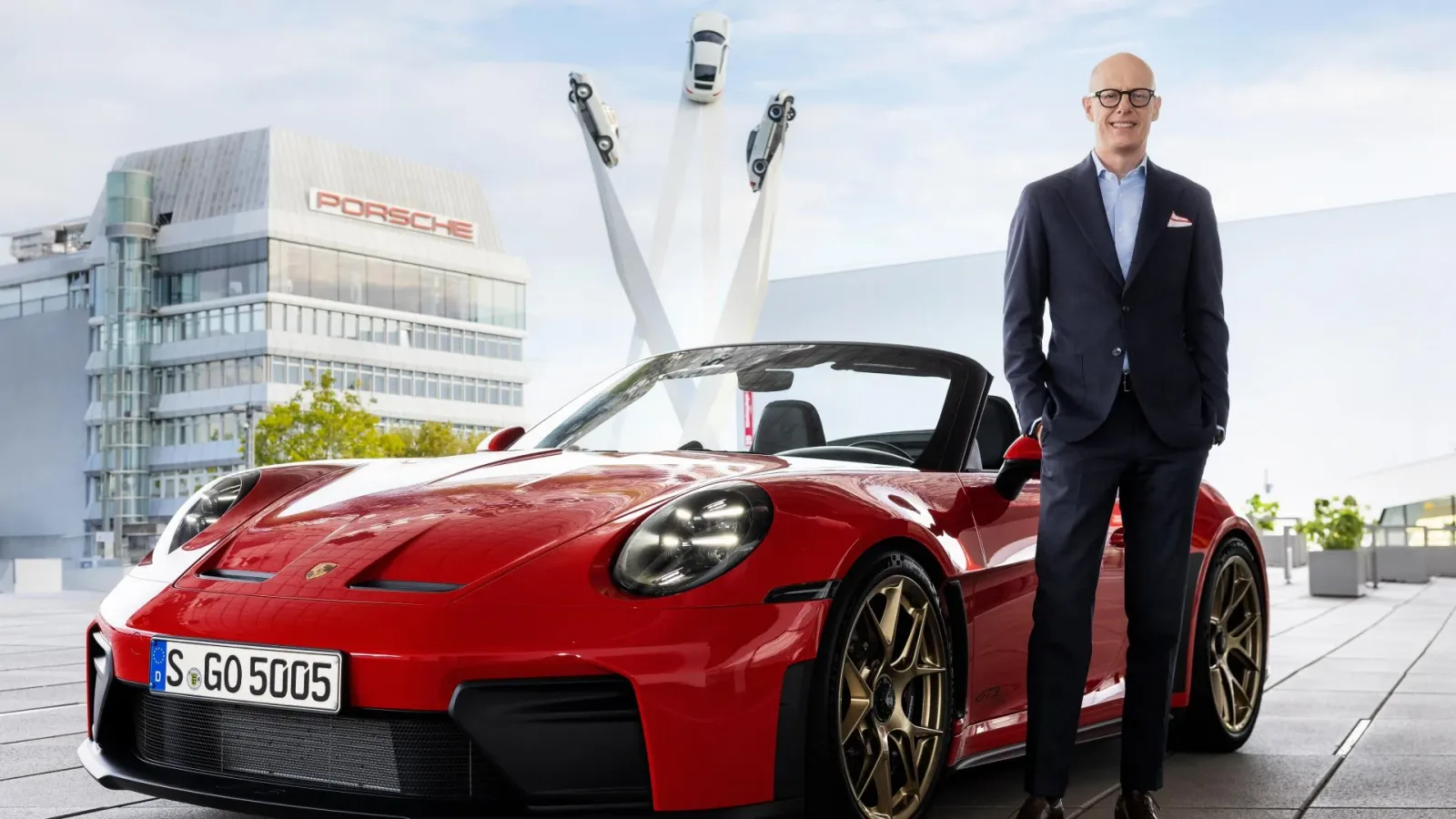
Porsche is officially shifting its course after several difficult years for the brand. During the Capital Markets Day in Weissach, the company unveiled the “Sportwagenschmiede ’35” strategy, which is set to remain in effect until the middle of the next decade. The most significant change relates to products. The brand no longer intends to build its future primarily around electric vehicles.
New EVs are still on the agenda, but simultaneously the company wants to invest in internal combustion engines and plug-in hybrids. At the same time, the product range is expected to become more exclusive, focusing on higher-end models. In practice, this means fewer variants, more vehicles from the premium segments, and a significant expansion beyond today’s models.
A more expensive supercar will emerge above the 911
Perhaps the most interesting announcement is a completely new platform for a supercar with a centrally mounted engine. Porsche explicitly states that this platform will enable the creation of a model positioned above the 911. It is not about another variant of the GT3 or Turbo, but rather a separate model line above the brand’s most recognizable car.
We will see the first glimpse of this project on October 15. The brand uses the name Mission S for it, though it has not yet revealed details regarding the powertrain, performance, or production start date.
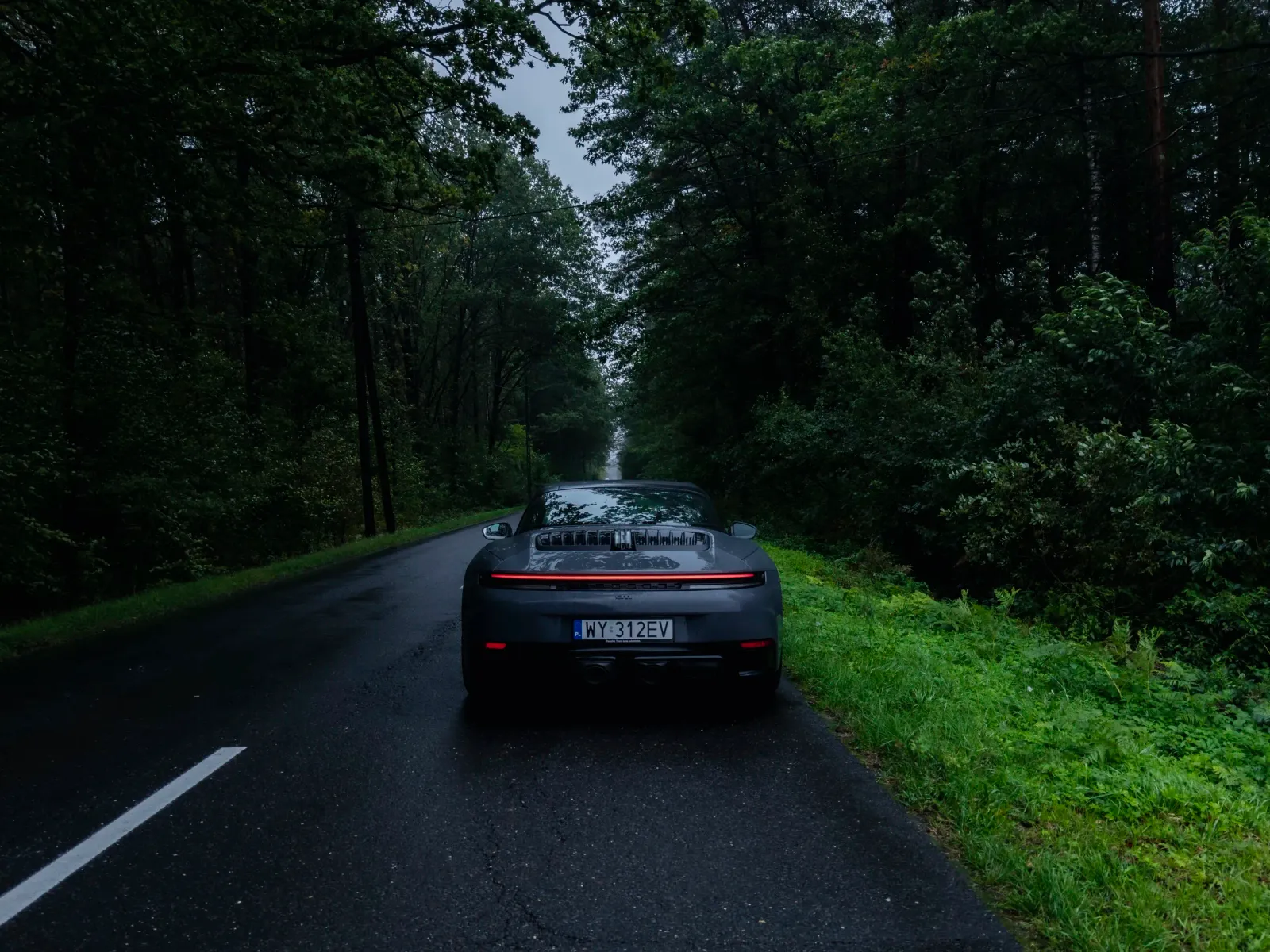
The idea of a supercar that surpasses the 911 isn’t new to Porsche. In the past, models like the 959, Carrera GT, and 918 Spyder filled this role. This time, however, the manufacturer is referring not just to a single limited-edition car but to a platform that will enable the creation of an entire model line.
A SUV larger than the Cayenne is also possible
The second very important announcement relates to SUVs. The brand confirmed it is exploring the possibility of creating a model positioned above the Cayenne. No decision has been made regarding production yet. The company only speaks of “examining the possibilities” for introducing such a vehicle. If the project gets approval, it would be the largest and most expensive SUV in Porsche’s lineup. The Cayenne would then cease to serve as the top model in this category. This is part of a broader plan to shift the portfolio toward more profitable segments, with the goal of increasing overall sales by about 45% in the medium term.
A new gasoline-powered SUV will arrive in 2028.
The next SUV, scheduled for 2028, is much more concrete. Porsche is announcing a new model that will come with both a gasoline engine and a plug-in hybrid option. The vehicle will be offered alongside the current electric Macan. This represents a significant shift from the brand’s previous direction. The second-generation Macan was designed solely as an electric car, with its gasoline-powered predecessor gradually phasing out in various markets.
The brand does not intend to convert the electric Macan into a gasoline vehicle. Instead, a separate model with a different architecture will be developed. Production is set to begin in 2028, and by 2029 the car should start having a noticeable impact on the company’s sales and financial results.
The electric 718 is still on the agenda
The strategy change does not mean a withdrawal from electric vehicles. The company confirmed that the electric 718 Boxster and Cayman are still in development. The new generation is set to go into production before 2028, as Porsche expects that year to be the first full year for their sales.
This is particularly important because there have been many questions in recent months about the future of the electric 718. Now, the manufacturer officially includes these models in its medium-term product strategy. At the same time, Porsche states that it will continue to invest in future generations of batteries and technologies used in electric vehicles.
End of relying on just one powertrain
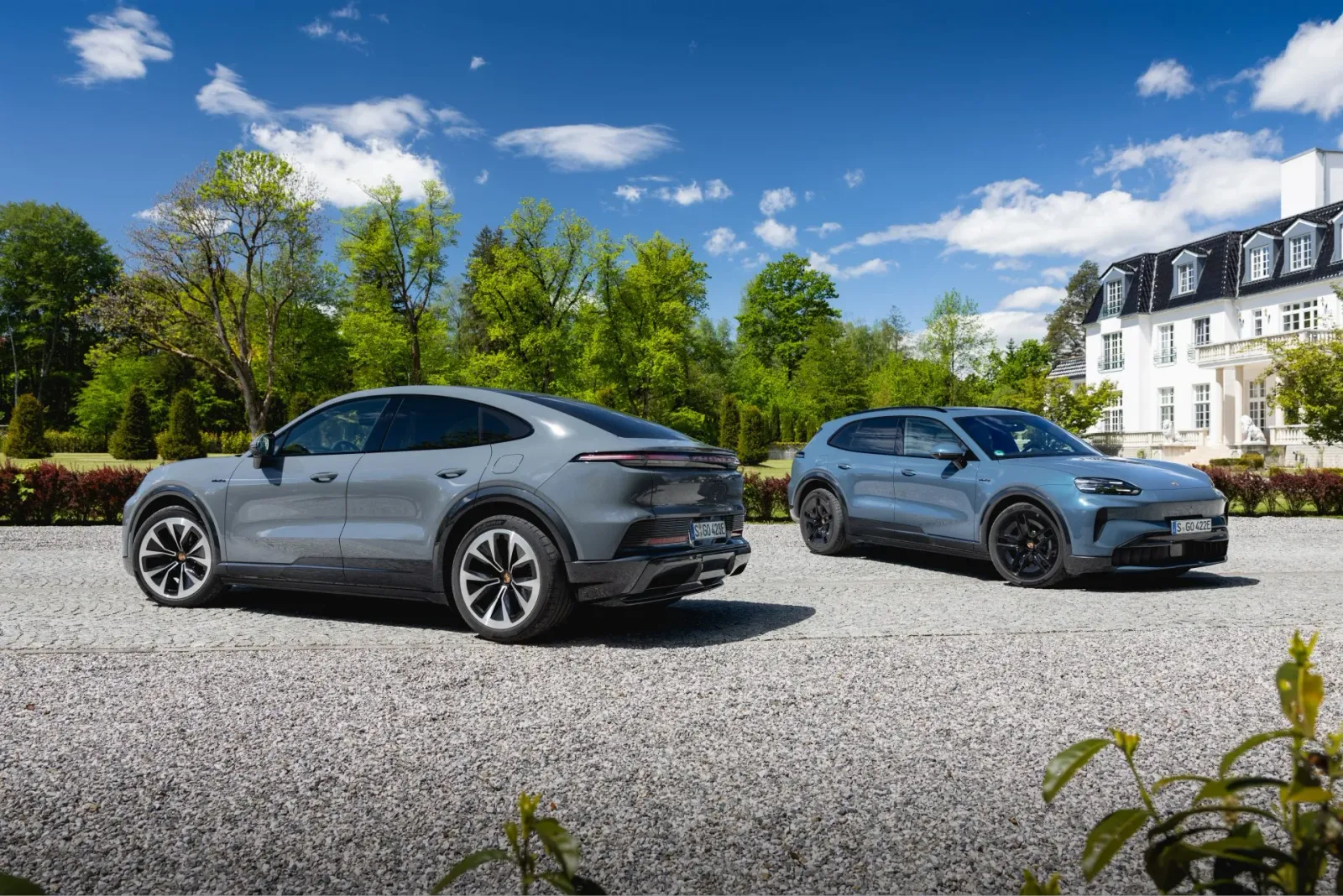
The new strategy focuses on three types of powertrains: internal combustion, plug-in hybrid, and electric. Porsche explicitly states continued investment in both internal combustion and hybrid powertrains as well as battery technology.
This means moving away from the previous vision of rapidly transitioning the entire lineup to electric vehicles. The manufacturer aims to maintain several technologies in parallel and tailor them to specific models and customer expectations.
The company also plans to collaborate more closely with Audi. Porsche will make greater use of the PPE and PPC platforms while retaining its own solutions for chassis, powertrain, and vehicle characteristics.
Fewer models, but more expensive cars
The strategy also includes major overhauls to the lineup itself. Porsche aims to reduce the number of model variants by about 20%. At the same time, sales for individual versions are expected to increase by roughly 30% on average. This does not mean reducing the total number of models, but rather simplifying configurations and eliminating some variants that sell in small quantities.
Porsche also wants to focus more on developing vehicles from the higher end of the lineup. The manufacturer expects the average selling price of top-tier models to rise by about 20% over time. By 2030, the company aims to introduce at least one new car that is highly significant for the brand each year.
More expensive options and personalization
Porsche also sees great potential in customization. The Sonderwunsch program is set to be significantly expanded, with revenues from such personalized orders expected to increase sixfold in the medium term. The company aims to develop three main areas: Performance, Exclusiveness, and Heritage. Under this umbrella will fall initiatives such as Sonderwunsch, Exclusive Manufaktur, and activities related to Manthey.
Porsche is increasing its stake in Manthey Racing to 67%. The partnership will cover not only performance-enhancing packages and track events but also complete cars produced in very small series.
9,000 fewer jobs
The new models are just one aspect of the plan. The other concerns costs and the company’s structure. Porsche has already reached an agreement with its workforce to cut around 9,000 jobs. At the same time, the core employees are set to receive job security guarantees until 2035.
But this isn’t the end of the changes
In the medium term, the number of management positions is expected to be reduced by up to 40%. Total employment in direct and indirect roles will fall by 25%, with a strategic goal of reducing it by 30%. The labor costs resulting from these changes are set to decrease by about 10%.
Porsche aims to cut production costs by even 30%
Significant savings are also expected in the factories. Porsche aims to reduce production labor costs by up to 30%. The company plans to achieve this by simplifying processes, designing cars in a way that facilitates production, and enabling the construction of different models on the same assembly lines.
The development costs for future models are set to drop by up to 20%. Shorter design cycles, greater modularity, and fewer variants will help achieve this. Material costs for new projects are also expected to decrease by around 10%. Porsche intends to use more shared components and leverage cooperation within the Volkswagen Group more extensively. Sales and distribution costs, on the other hand, are scheduled to fall by 20%. The number of sales regions will be reduced from five to four.
Porsche Engineering and Porsche Digital to be merged
The changes will also affect the subsidiaries. Porsche Engineering and Porsche Digital are set to be combined into a new entity called Porsche Technologies. The goal is to consolidate development capabilities under one structure and reduce costs.
The company has already begun streamlining its operations outside of its core automotive business. Shares in Rimac and Bugatti Rimac were sold, an agreement was reached to sell the consulting firm MHP, and the development and production activities of Cellforce Group are set to be discontinued. Porsche eBike Performance and Cetitec are also planned to be shut down.
The break-even point is below 200,000 cars
Porsche aims to achieve profitability even with annual sales below 200,000 vehicles. This is significant because the brand has grown over the years thanks to increasing sales of the Macan, Cayenne, and other models.
Now, the focus is not on the number of cars but on the profit generated per unit. Porsche calls this principle “Value over Volume.” The company wants revenue to grow faster than sales in units, profits to grow faster than revenue, and cash flow to grow even faster than profits.
Porsche targets €41-45 billion in revenue
In the medium term, the manufacturer expects revenues of 41-45 billion euros per year. The group’s operating margin is targeted to be between 10% and 15%, while the net cash flow margin from its automotive business is set at 9% to 12%. In the long term, the goals remain an operating margin of 15% and a cash flow margin of 12%.
Porsche also acknowledges that reaching the upper limits of these ranges will depend on macroeconomic, geopolitical, and regulatory conditions. The plan was formulated under very cautious assumptions regarding China, which has become one of the brand’s biggest challenges in recent years.
Porsche wants to be smaller, but more expensive
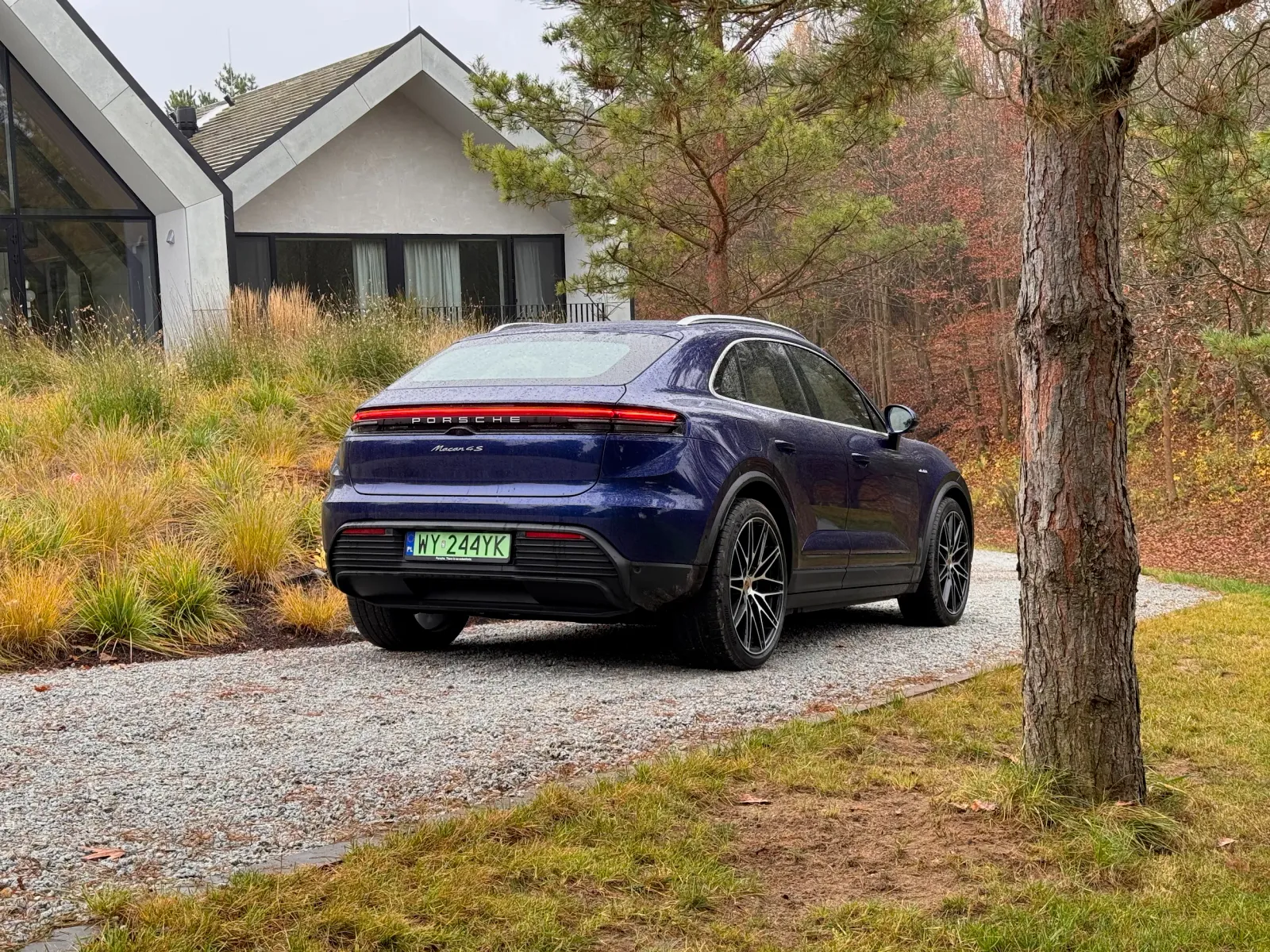
The new strategy clearly shows the direction Porsche aims to take. The company no longer wants to rely on continuously increasing sales for its results. It plans to reduce the number of models, cut costs, simplify its structure, and sell a larger proportion of expensive cars with high margins.
At the same time, the range is set to expand at the top end. A supercar beyond the 911, a potential SUV above the Cayenne, new versions of the 911, and additional models from the D and E segments are intended to raise the average value of each car sold.
This is coupled with a return to a more flexible approach regarding powertrains. Electric models remain important, but Porsche clearly has no intention of giving up on either internal combustion engines or plug-in hybrids. The next two years will be crucial in this regard. First, we’ll see electric 718 models, followed by a new gasoline SUV, and on October 15th, Porsche will unveil the first teaser of a supercar designed to sit above the 911.
Piotr Sobczyk
