
The electric Porsche 718 has a trick to disguise the weight of the batteries
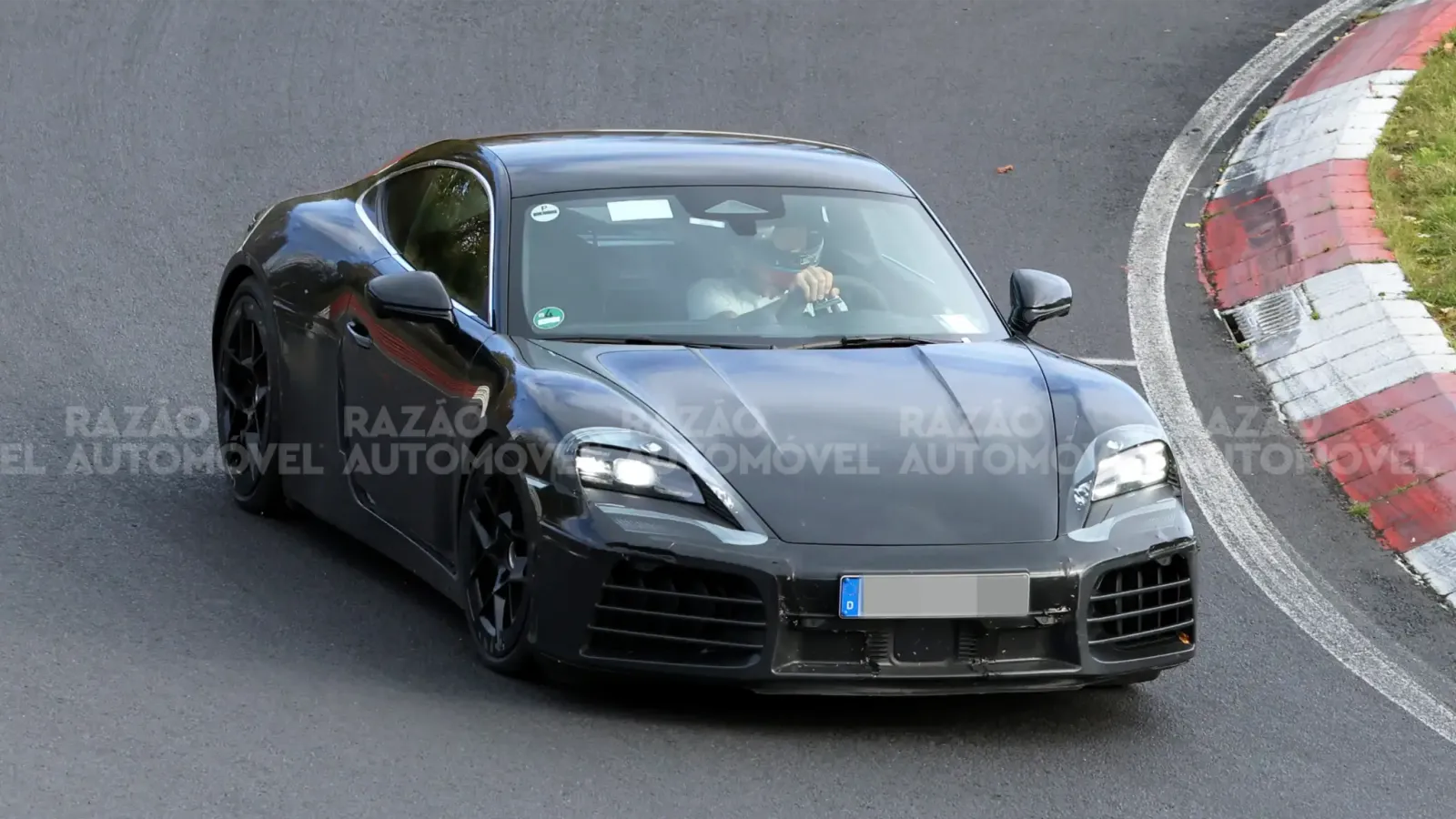
The future Cayman and Boxster will be electric, but Porsche wants to preserve the driving position and balance of the current sports cars.
The development of electric successors to the Porsche 718 has seen both progress and setbacks, raising doubts about the future of these two sports cars. A few months ago, Michael Leiters, the German brand’s CEO, dismissed rumors of a cancellation of the project. Now, new details about the future Cayman and Boxster are beginning to emerge.
During the Capital Markets Day 2026, Porsche unveiled the Sportwagenschmiede ’35 strategy — which focuses primarily on electric models — and, as expected, the next 718 Cayman and 718 Boxster will be at the heart of this strategy.
The new Porsche 718 Cayman and 718 Boxster are expected to hit the market in 2027. Many details remain undisclosed until then, but as the launch approaches, new information about these two sports cars is starting to emerge.
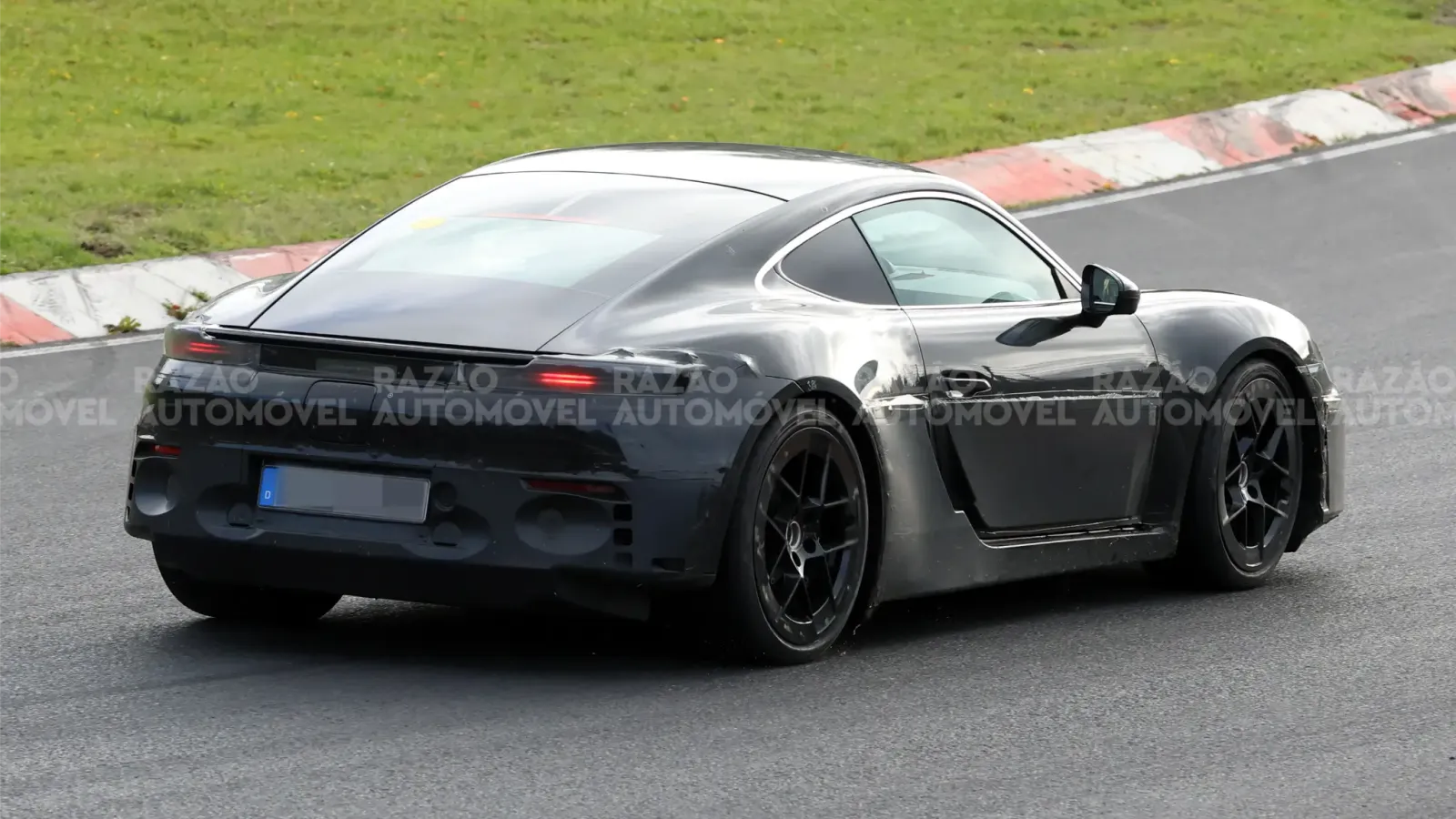
Batteries in Place of Flat-Six Engines
The placement of the batteries is one such detail. According to Automotive News Europe, instead of being arranged under the floor as in the Taycan, Macan, and electric Cayenne, the batteries in the 718’s successor will be integrated where the opposing four-cylinder and six-cylinder engines used to be: in a central rear position, behind the driver’s and passenger’s seats.
A somewhat unusual decision, but one aimed at preserving the character of the predecessor while also bringing benefits. Among these are the driving position, which will be as low as that of the gasoline-powered 718, and the weight distribution.
Robert Meier, responsible for Porsche’s vehicle architecture, revealed that the future 718 Cayman and 718 Boxster will have 55.2% of their weight on the rear axle. This figure is closer to the ideal 50/50 distribution than in the previous model.
Discover your next Porsche:
And more?
Another major uncertainty surrounding the new Porsche 718 Cayman and Boxster is weight. Electrification usually results in an increase in mass compared to gasoline versions, so it’s important to understand how Porsche plans to minimize this impact on its two sports cars.
The exact figures are not yet known, but Auto Express reports that Stuttgart’s future electric model could weigh around 1700 kg, nearly 400 kg more than the discontinued 718.
Lacking a combustion engine, the new electric 718 models will likely rely on the E-Shift technology introduced in the Porsche Taycan. This system simulates eight gear ratios, allowing the driver to select shifts using levers behind the steering wheel.
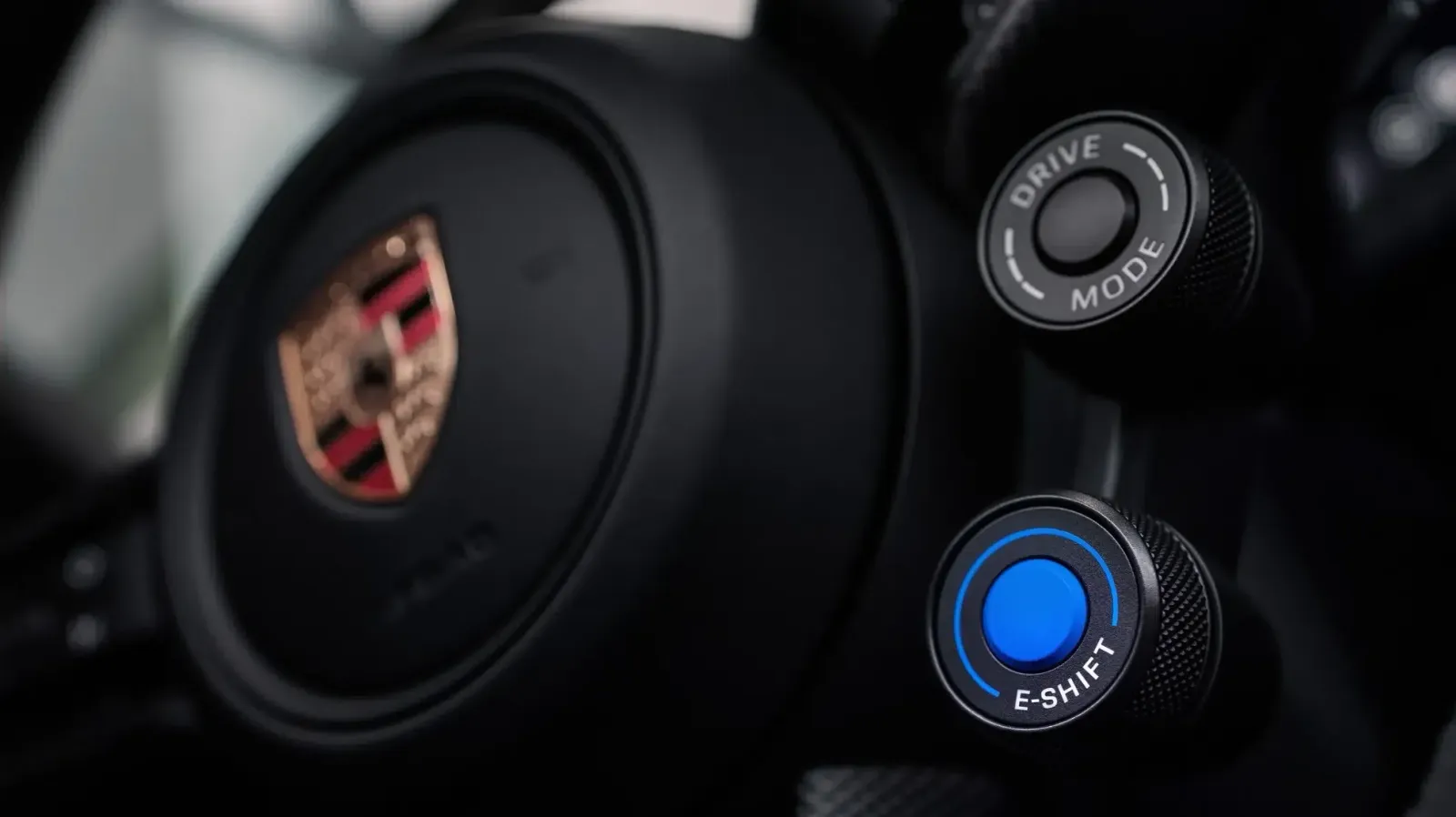
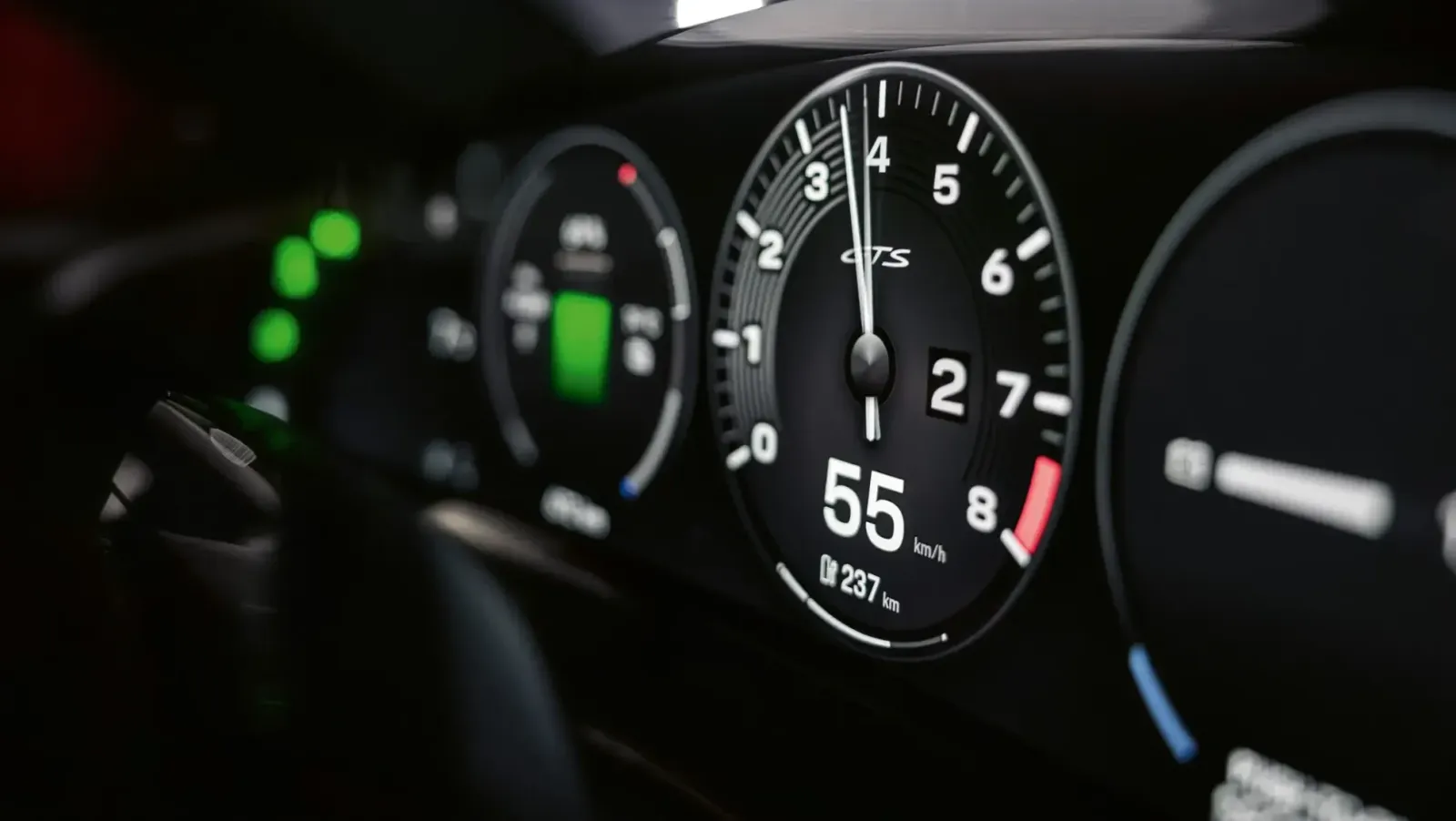
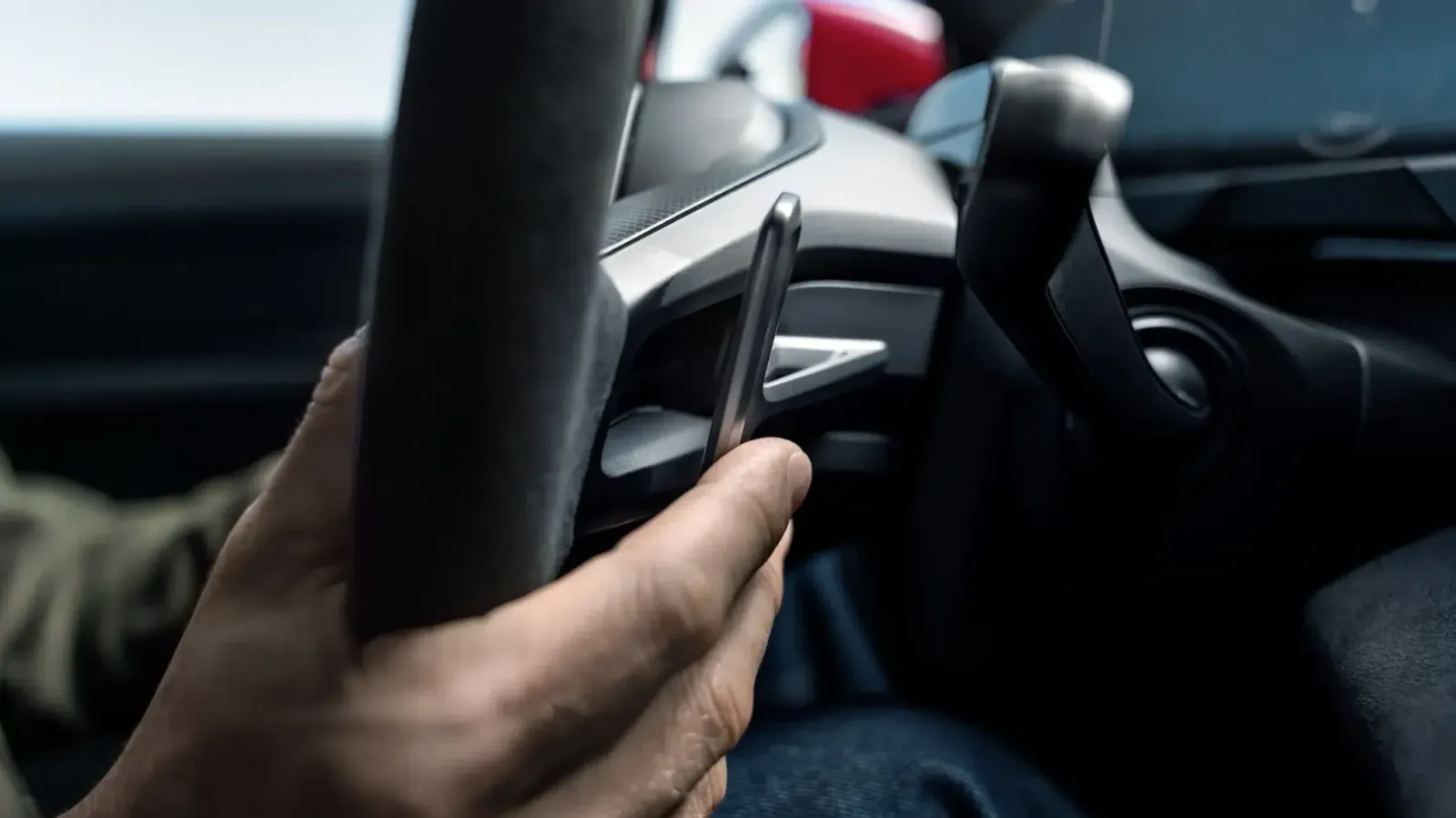
3 images
Simulated gear shifts and synthetic noises may help bridge the gap from combustion engines to electrification in Porsche’s lineup, but the 718 must first prove it can sustain the commercial success of its predecessors in an era where high-octane fuels are becoming obsolete.
Arrives in 2027
The new Porsche 718 Cayman and 718 Boxter will be unveiled next year, but 2028 will mark the first full year of production.
For those who are die-hard fans of combustion engines, what we can guarantee for now is that “the 911 will never be electric.” And it’s not us saying this, but Michael Leiters, Porsche’s CEO.