
The Porsche 718 will be entirely electric. The gasoline-powered Boxster and Cayman are no longer part of the plan.
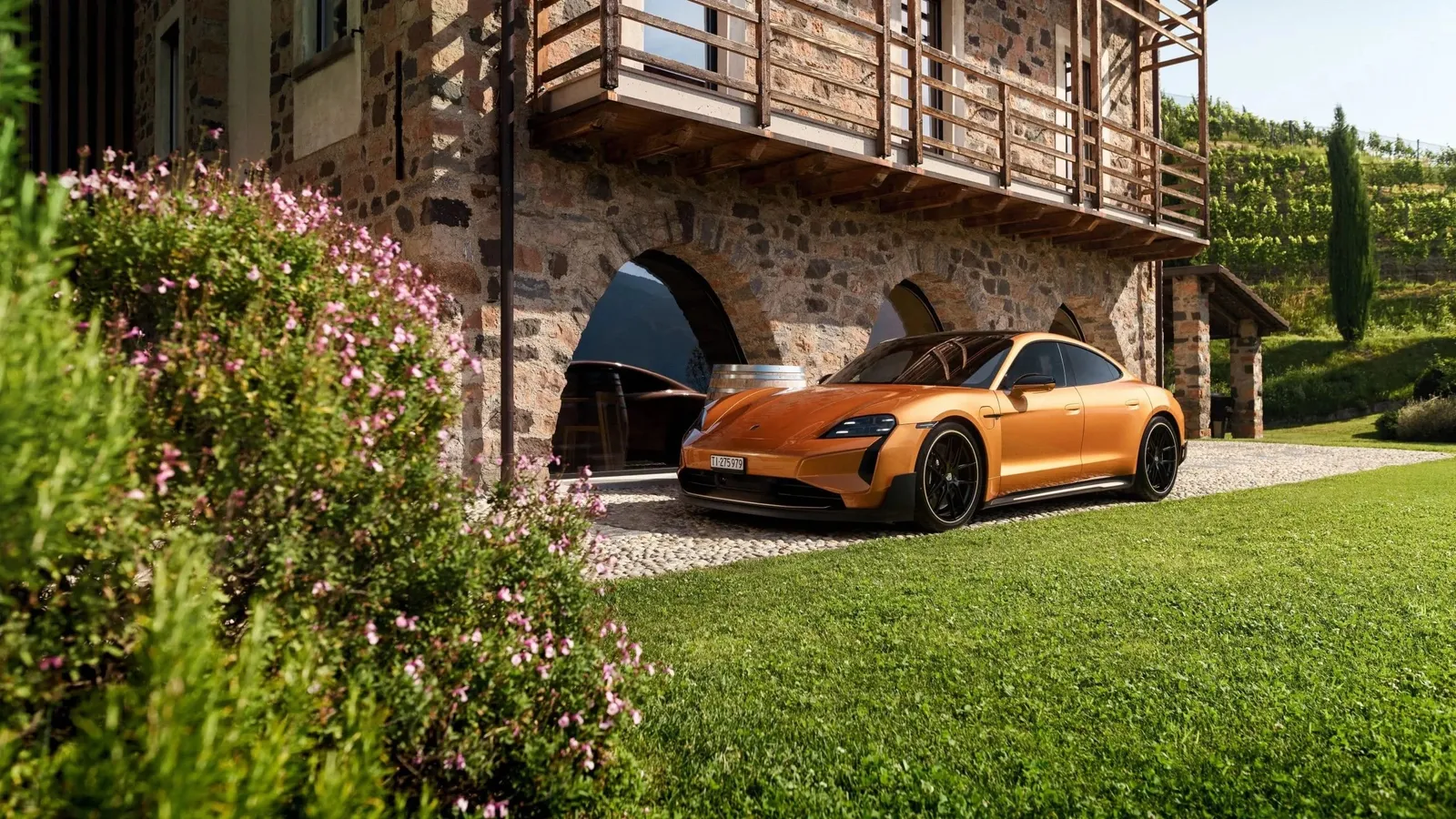
Porsche confirmed on October 7, 2026, that the next 718 Boxster and 718 Cayman models will come exclusively with electric powertrains. The launch is set for 2027, with 2028 being the first full year of production.
This ends months of confusion. Last year, the manufacturer had announced that the most exclusive versions of the 718 series would retain internal combustion engines.
New 718s without Internal Combustion Engines
The decision was announced during the Capital Markets Day, where Porsche’s new president, Michael Leiters, presented the Sportwagenschmiede ’35 strategy. The company also dismissed reports of a delay or complete cancellation of the electric 718 model.
The return of a gasoline version from the start seemed technically quite challenging. The previous generation of the 718 ended production in 2025, and its successor is being developed on a different platform designed for an electric vehicle. Maintaining two separate architectures for a relatively niche model would be costly.
Porsche has still not revealed the battery capacity, power output, range, or performance figures. Photos of the prototypes show a centrally located charging port at the back and a silhouette similar to that of the previous model. The price remains unknown as well, though the 718 is expected to be the cheapest two-door car in the brand’s lineup.
The electrification effort won’t cover everything. Leiters stated outright that “the 911 will never be electric.” However, Porsche is working on a platform for a supercar with a mid-mounted engine, positioned above the 911. The concept vehicle showcasing this architecture will be the Mission S, with its debut scheduled for October 15, 2026.
More luxury models, fewer versions and jobs
Starting in 2028, the lineup is set to be expanded by a compact SUV developed in partnership with Audi. It will feature gasoline engines and plug-in hybrid systems, and it will be available alongside the electric Macan in showrooms. A larger SUV designated as K1, positioned above the Cayenne, is also under consideration. It was originally planned to debut as an electric model, but Porsche changed its plans and first announced gasoline and PHEV versions.
The new strategy focuses on “value over volume,” meaning more expensive cars, fewer models, and a greater emphasis on GT models as well as Exclusive Manufaktur personalizations. The break-even point is expected to drop below 200,000 cars per year.
Cutbacks will be a far less dramatic part of this plan. The number of management positions is set to decrease by 40%, with overall employment expected to drop by 25% in the medium term. Porsche also aims to shorten vehicle development times, reduce model complexity, and make greater use of shared components across the Volkswagen Group.
The scale of the problem is clear. Porsche’s profit fell to $101 million in 2025, down from $5.9 billion in 2024. The electric 718 has survived the restructuring, but its specifications and price remain uncertain. These factors will determine whether Boxster and Cayman fans accept the change in powertrain.
LovEV Newsletter
Want more content like this?
Sign up — we’ll send you a weekly roundup once the newsletter starts.
