
Pere Navarro, head of the DGT, criticizes the government for the consequences of the early elections: "The issue was already settled.
14/10/2026 15:30
Updated to
14/10/2026 15:30
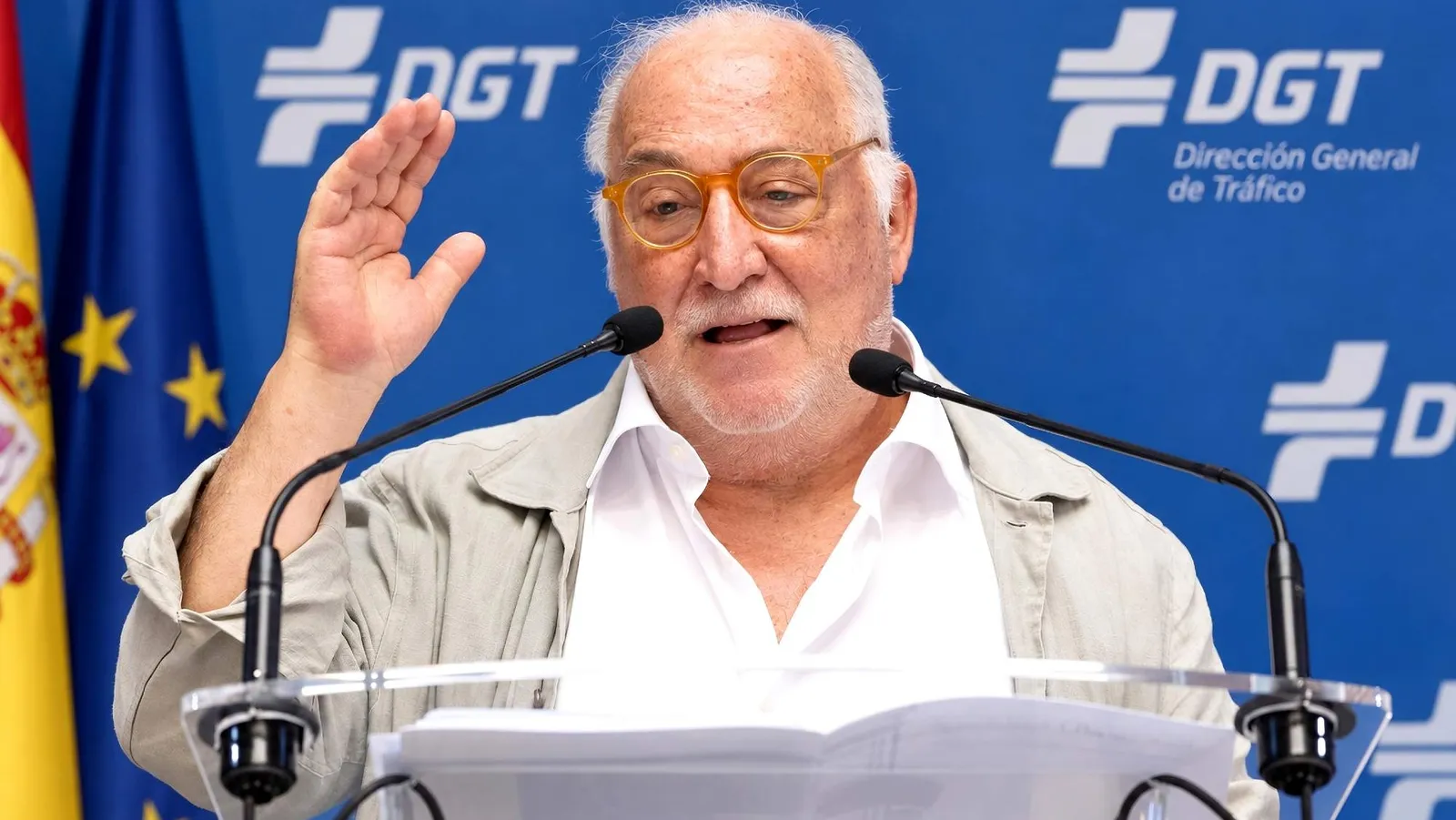
The early elections have left in doubt one of the road safety reforms that the General Directorate of Traffic (DGT) considered most important: reducing the maximum allowable blood alcohol level for drivers. Its director general, Pere Navarro, expressed his dissatisfaction with the suspension of this initiative, pushed by PSOE, and regretted that the dissolution of parliament had thwarted a measure he said had a good chance of passing: “The issue was settled.”
"We have done the work that needed to be done, which was presenting it," he said, recalling that the proposal had already passed an initial parliamentary review. The Traffic Director explained there was a new opportunity to approve the reform, but the call for general elections on November 29th interrupted its legislative process. "There was a second chance. The matter was almost settled and seemed on the verge of being approved, but then elections were called," he stated, according to Europa Press.
Another setback for the reform
The socialist bill received Congress’s approval to begin its processing on September 29th. The proposal aimed to amend the Traffic Law by reducing the maximum blood alcohol concentration from the current 0.5 grams per liter to 0.2 grams, equivalent to 0.1 milligrams per liter of exhaled air, in an effort to tighten restrictions and reduce accidents related to alcohol consumption.
This was not the first attempt, as a similar proposal had been rejected in March due to opposition from the PP, Vox, and ERC. For this reason, Navarro has criticized the difficulties in reaching a parliamentary agreement and lamented that the general public’s interests have not been prioritized: “The general public interest is out of fashion; it seems that partisan or individual interests, or those of certain groups, prevail.”
The DGT official was present during the presentation of Spain’s Brewers’ latest study, but he did not ignore the pressure exerted by the alcoholic beverages industry during the reform process. He noted that “the alcohol lobby, within its rights, approached all parliamentary groups.” He believes the parliamentary decision conflicted between the interests of that industry and the demands of victims of traffic accidents, which led to what he described as “an ethical and moral decision, with everyone having to take responsibility for their actions.”
The call for elections represents another setback for the new regulations, but despite this, Navarro believes the reduction in the tax will eventually be approved: “I insist, I think the work is done and it’s only a matter of time before we see it approved. Time will tell,” he said.
More and more drivers are choosing alcohol-free beer
He also reminded that the current limits were set in 1998: “Note that this means it will soon be 30 years since we’ve had these limits,” making it clear that they are outdated and need to be adjusted to current times and behaviors.
A clear example of this are the results of the “Choose ALCOHOL-FREE beer when driving” campaign, promoted by Cerveceros de España with the support of DGT and in which Navarro participated. The study conducted by the organization alongside Alpha Research, based on 2,000 online interviews, shows that 47.3% of respondents say they choose alcohol-free beer whenever they need to drive.
Jacobo Olalla Marañón, general director of Cerveceros de España, said at the event that “we have been working for many years to make responsibility part of beer culture in the same natural way as socializing. These data show us something very important: ALCOHOL-FREE beer is already present in bars, at tables, during trips, and in plans with friends. And when it’s time to drive, it allows those plans to continue through responsible choices.”