
EVP passport starting in 2026. Every new car will receive a digital code
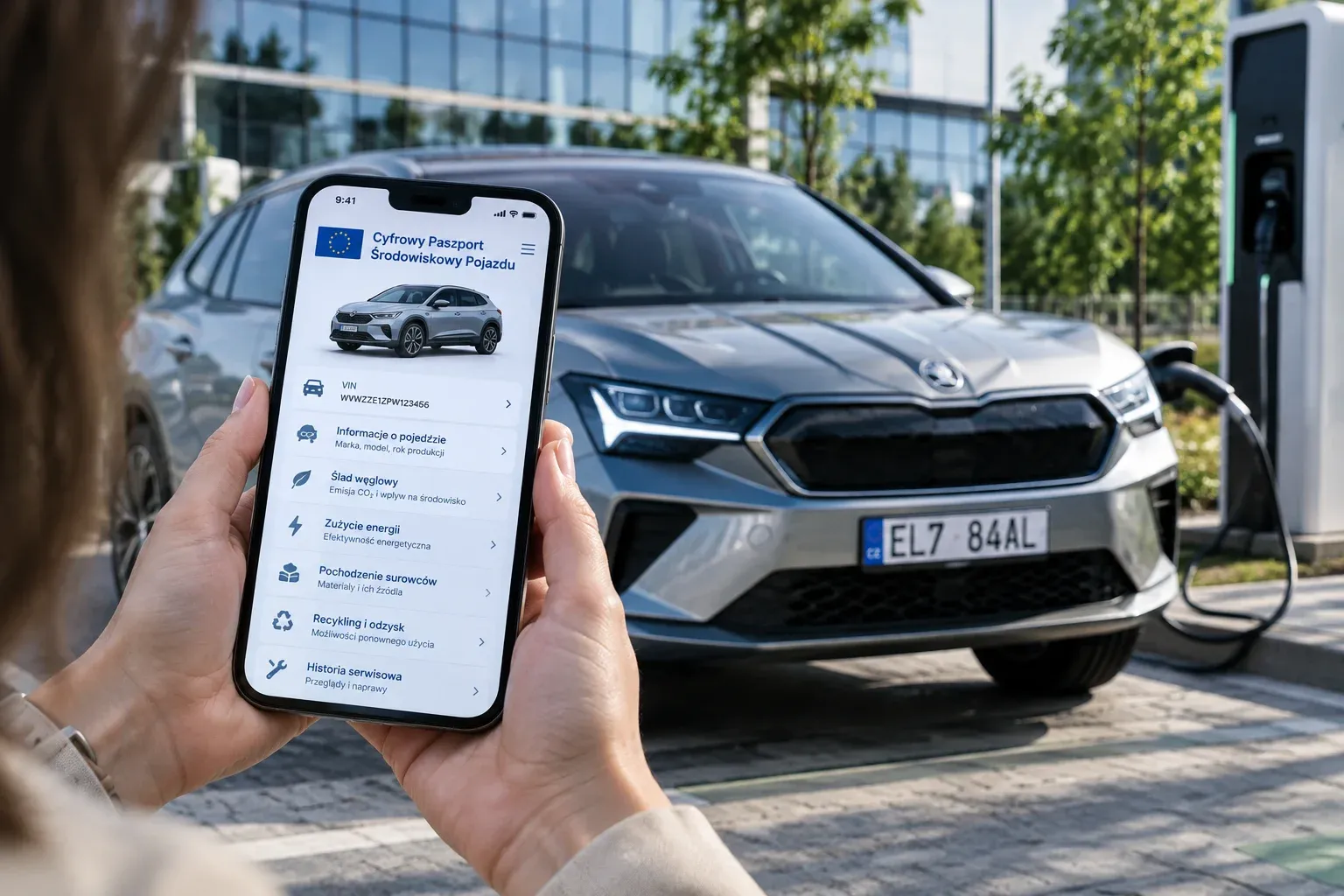
The digital Environmental Vehicle Passport (EVP) will soon become a mandatory feature in every new car sold within the European Union. Introduced alongside Euro 7 standards, this requirement mandates that manufacturers provide detailed vehicle homologation data through a simple QR code. This means that every buyer, whether on the primary or secondary market, will have instant access to the official parameters regarding energy consumption, fuel usage, and actual exhaust emissions of a particular vehicle.
What exactly is the digital vehicle passport?
EVP is nothing more than a digital set of verified environmental parameters for a specific vehicle, linked to its VIN. The system is designed so that users don’t need to install dedicated software, create accounts on manufacturers’ websites, or provide personal information. A regular smartphone with a camera and internet access is sufficient to read the information.
The QR code leading to the vehicle’s passport will be located directly on the vehicle — in an easily accessible spot without the need to remove any components — or it will be displayed on the vehicle’s multimedia screen. For in-vehicle systems, regulations specify clearly that accessing the code must require no more than five clicks in the menu.
What information is included in the digital document?
The scope of information contained in the passport is structured into five main tables. The system covers a wide range of indicators, with particular focus on data related to resource consumption. According to the European Union, key environmental parameters measured by homologation devices include official energy and fuel consumption, carbon dioxide and harmful substance emission levels, as well as electric range.
The document will include the following sections:
Identification data: brand, trade name, VIN number, production date, and homologation number and date.
Vehicle family identifiers: assignment to appropriate emission test groups.
Powertrain data: maximum power of the electric and internal combustion engines.
Emission standards: official levels for nitrogen oxides, particulate matter, and other substances regulated by standards.
Energy consumption and range: homologation energy consumption (kWh/100 km), fuel consumption, and official electric range.
When will the changes take effect?
The timeline for implementing these regulations is divided into two phases. According to the Euro 7 schedule, the EVP “Passport” will become mandatory for new vehicle types receiving fresh homologation starting November 29, 2026. Exactly one year later—starting November 29, 2027—this requirement will apply to absolutely all new passenger cars (category M1) and light commercial vehicles (category N1) sold in dealerships.
It is worth emphasizing that the new regulations do not apply retroactively. Vehicles registered before the specified dates will not be required to have an EVP code generated. The responsibility for creating and updating the digital document lies solely with the vehicle manufacturer.
What won’t the EVP show? Common misconceptions
While the “Passport” simplifies the verification of factory specifications, it should not be confused with a vehicle history report or the environmental parameters measured at inspection stations. The document does not include service history, accident information, or current mileage. Importantly for electric vehicle buyers, the EVP also does not show the current battery degradation status (SoH – State of Health); regulations impose separate legal requirements on manufacturers to provide this data.
The passport is based on homologation data rather than actual measurements from real-world use (OBM/OBD systems). It still allows for quick verification of the exact equipment and powertrain version involved, which prevents attempts to manipulate specifications in the secondary market. All information will be available in the official languages of the European Union, including Polish.
Edited by elektromobilni.pl