
Toll fees will set a record. Drivers will pay nearly 8 billion zł in 2027.
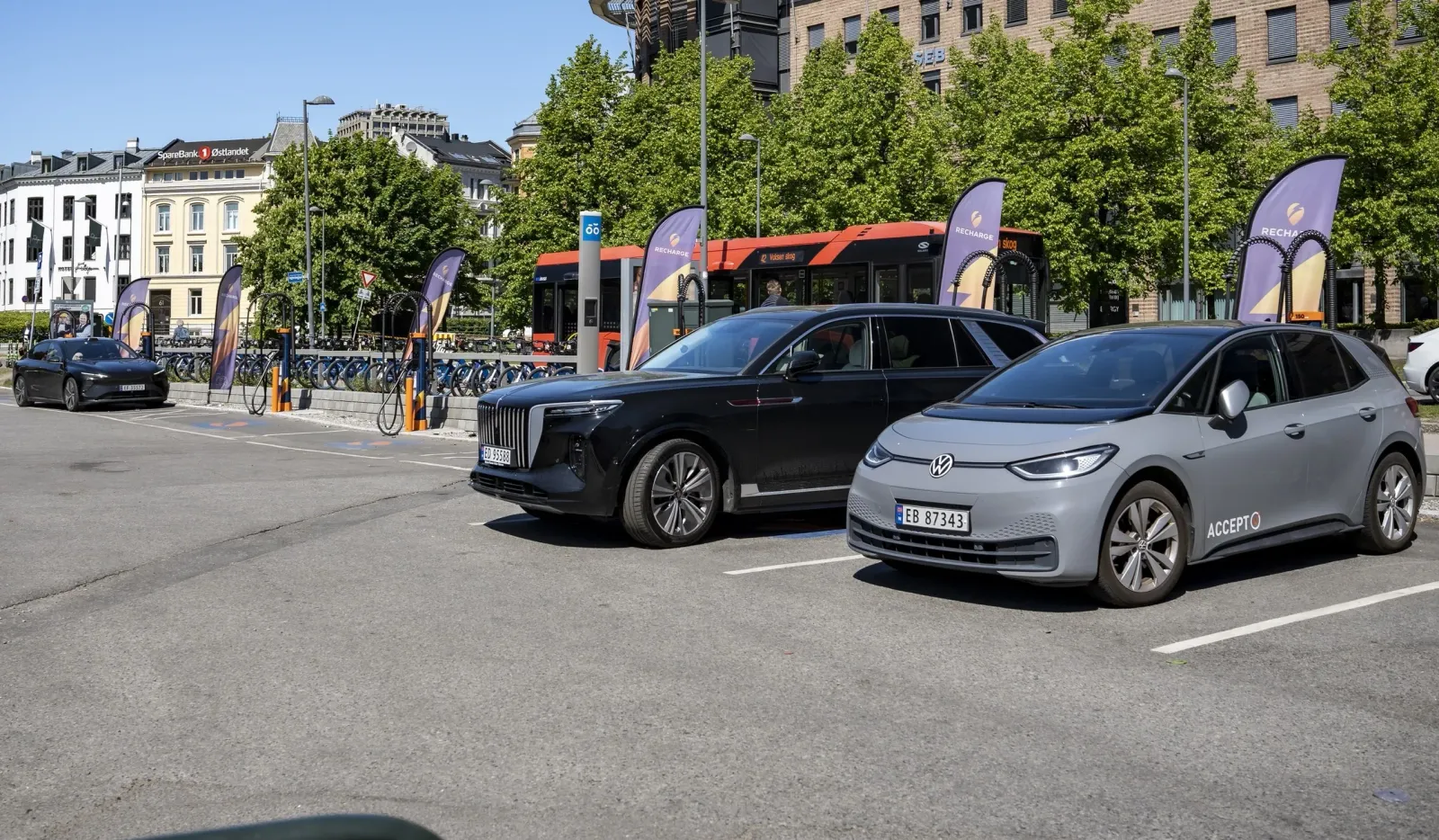
Norway is primarily associated with drivers due to its extremely popular electric cars, but it also has a highly developed road toll system. Toll gates, or rather automatic fee collection points, are located both at specific projects and around the largest cities.
In 2027, drivers will have to pay a record amount. The government’s budget proposal estimates revenue from tolls at 19.44 billion NOK (approximately 7.96 billion zł). For comparison, the forecast for 2026 is 18.917 billion NOK (about 7.75 billion zł), so the amount is expected to increase by around 523 million NOK (approximately 214 million zł) within a year.
Almost 20 billion crowns from drivers
Taxes had already risen before. In 2024, drivers paid 17.31 billion NOK (about 7.09 billion zł), in 2025 slightly over 18 billion NOK (over 7.37 billion zł), and for 2026, almost 18.92 billion NOK (about 7.75 billion zł) is projected. Another record will therefore be set in 2027.
Interestingly, not all of the money is allocated solely to road construction. In Norway’s municipal packages, revenues from road taxes can also fund public transportation. In 2027 alone, about 1.8 billion NOK is set to be used primarily for public transport operations, mainly under Oslopakke 3. According to government data, as of mid-July 2026, there were 65 projects in operation or already approved that utilized funding from road taxes.
Ryfast will rise in price again
Electric vehicles will also cost more
Meanwhile, Norway continues to phase out the exceptionally generous tax incentives for electric vehicles. Just a few years ago, new EVs were completely exempt from VAT. Later, the discount was reduced to a specific portion of the car’s price. By 2026, tax will be applied to amounts exceeding 300 thousand NOK.
Starting in 2027, the threshold is set to be lowered to 150 thousand NOK. With a 25% VAT rate, this means that a car costing over 300 thousand NOK will incur an additional tax of 37.5 thousand NOK – approximately 15,400 zł – compared to current rules. The next phase is planned for 2028, when the exemption is expected to be completely eliminated.
Norway Can Afford This
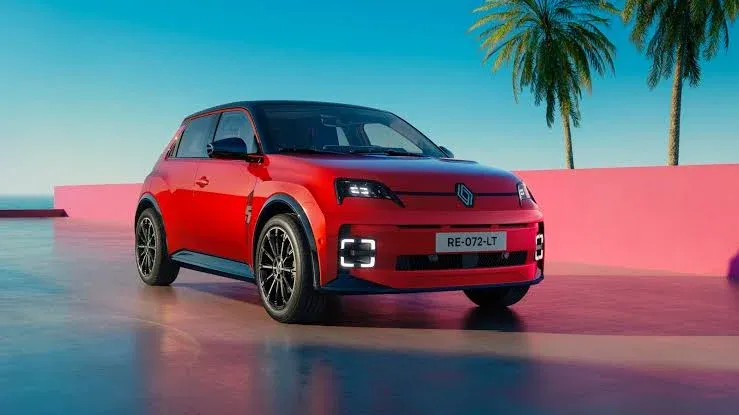
The changes do not mean Norway is turning away from electric mobility. The government itself expects that despite the reduction in tax incentives, electric cars will still account for over 95% of new car sales by 2027. What is changing is rather the approach to a market that is already very mature. In Norway, electric vehicles are no longer something that requires as much financial encouragement as they did a decade ago.
For drivers, this means a simple calculation: by 2027, both buying a new electric car and using certain roads could be more expensive. And the total revenue from road tolls is set to approach 20 billion crowns for the first time.
Piotr Sobczyk