
Nuclear Energy Without Veils (and Ideology): “It’s not indispensable, but it shouldn’t be ruled out”
In favor of discussing the return of nuclear energy, but opposed to making it an absolute priority in the energy transition. Giovanni Montagnani, an environmental activist with a PhD in nuclear electronics from Politecnico di Milano, proposes a counterintuitive stance in Italian debates: nuclear energy is not the solution for decarbonization in the coming years, but it could become a strategic resource for future energy systems. However, under one condition: ideological conflicts must be set aside, and concrete costs, timelines, and implementation methods must be discussed.
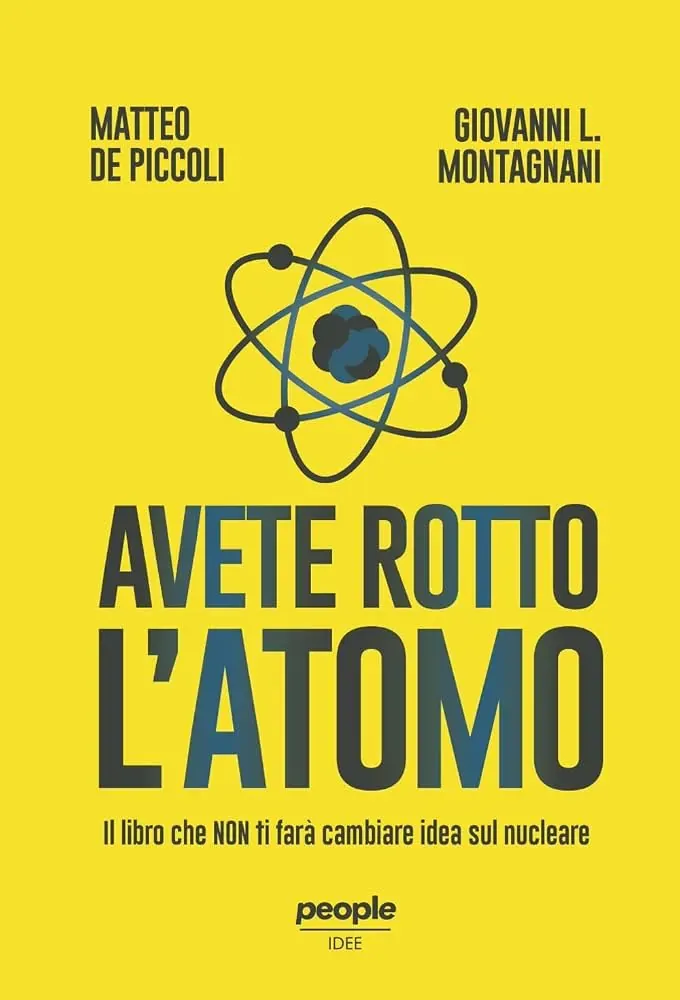
As a guest on the Fuoco Amico channel, Montagnani presents the arguments from the book “Avete rotto l’atomo,” written together with nuclear engineer Matteo De Piccoli. This work examines the technical, economic, historical, and safety aspects of electricity production from nuclear sources, without taking a predetermined voting stance. This is one of the most interesting elements of his position: reopening the debate does not mean automatically siding with nuclear energy.
Rapid decarbonization? Through renewables and storage
Montagnani clearly acknowledges that the time required to build nuclear power plants is incompatible with Italy’s urgency to decarbonize. Any national program, from the political decision to the plants going online, would take too long to make a significant contribution to more immediate goals.
Therefore, the priority remains the development of existing technologies. “The time needed for decarbonization must necessarily be faster than that required to launch an Italian nuclear program,” he observes.
The path forward lies primarily in solar power, wind energy, batteries, and grids, without waiting for nuclear energy to solve the problems of the electricity system. But this does not mean, according to Montagnani, that all other clean technologies must be ruled out from the start.
Lack of energy? Yet 4,000 renewable projects are stalled
His vision extends beyond 2050 as well: a decarbonized energy system must ensure reliable supply even during extreme weather events that could temporarily disrupt renewable energy production. A nuclear component might provide a form of diversification, reducing the need to rely on gas during critical times.
I don’t think there’s a single element in the transition puzzle that is absolutely essential,” he clarifies. In other words, the strategy isn’t to bet everything on nuclear energy, but to avoid excluding a potential future resource in advance.
“Stop deceiving the public: nuclear energy is expensive.”
It is on the issue of costs that Montagnani urges us to confront reality. Building new reactors involves high initial investments, long timelines, and financial risks, making it difficult to rely solely on private capital, which is intended to be recovered by selling electricity in the market.
Clarifying matters on nuclear energy: a study worth recommending
According to the activist, it is not enough to promise a builder that the energy produced will be purchased in the future. Mechanisms are needed to reduce financial risks during construction, when interest rates can significantly increase the overall cost of the project.
One of the proposed models is the Regulated Asset Base approach, which allows funding for construction through charges on electricity bills. This solution raises a crucial political question: would Italians be willing to pay an additional fee to finance new nuclear power plants?
According to Montagnani, the discussion should start from this point by clearly outlining the costs borne by consumers. The distribution of these costs also deserves attention: high-energy users, he notes, do not bear some of the system-wide expenses that affect other customers. Therefore, any financing for nuclear energy through electricity bills should also be evaluated in terms of equity.
China shows that the issue is not just technological
In international comparisons, Montagnani distinguishes the difficulties faced by the Western nuclear industry from those that are purely technological. Thanks to a more integrated supply chain, consistent orders, and a well-established industrial program, China has managed to build reactors faster and at more competitive costs compared to various Western projects.
The Nuclear Autumn (Ignored by Italy)
This does not mean, however, that Beijing focuses primarily on nuclear energy. As Montagnani himself acknowledges, China’s investments in renewable energy are vastly greater than those in nuclear power. It is precisely the competitiveness of solar, wind, and batteries that shows even relatively cost-effective nuclear energy must compete with increasingly effective alternatives.
For Europe, the challenge is to avoid industrial and regulatory fragmentation that forces starting from scratch with every new project. In this context, Montagnani also looks toward European cooperation and the possibility of strengthening the French industry chain, rather than creating multiple separate national programs.
“Before the referendum, I want to see all the cards on the table.”
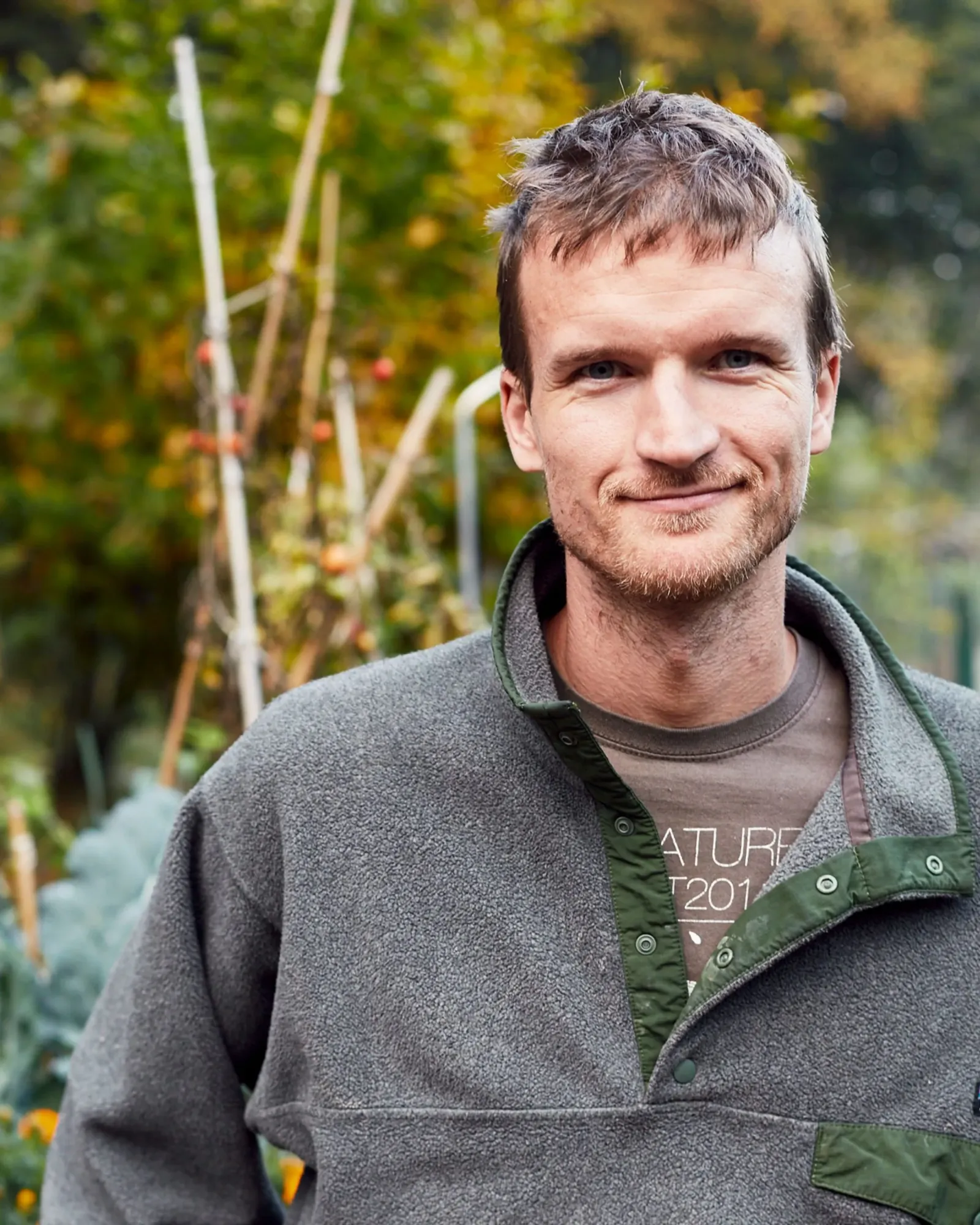
Montagnani’s unconventional stance becomes especially clear when faced with the key question: how would he vote in a potential referendum on nuclear energy?
His response is not a yes or no. It is an invitation to avoid asking citizens to make choices based on general assumptions before the operational details, costs, and financing mechanisms are defined.
We reject the idea of a referendum before the implementing decrees,” he says. Only when it is clear which technology will be adopted, who will pay for its construction, and what the impact on utility bills will be can an informed judgment be made.
Montagnani does not rule out a favorable vote either: “I would vote yes if someone came along and said I’ll build it with my own money and then sell you energy at 150 euros per MWh.” It would be different to accept an untested technology with high costs and risks passed on to consumers.
This is the essence of his position: neither unconditional enthusiasm for nuclear energy nor prejudiced rejection. Before making a decision, it is necessary to know what one is choosing and how much it will cost. In an energy debate often dominated by slogans, this call for pragmatism deserves attention. In this sense, he is convinced that the law just passed represents an opportunity to put to the test those who have so far spread free illusions or fueled prejudices and taboos.
READ ALSO: Former Greenpeace director: “Nuclear energy in Italy? An ideological falsehood” and watch the VIDEO