
BMW’s new technology looks like a hydrogen battery
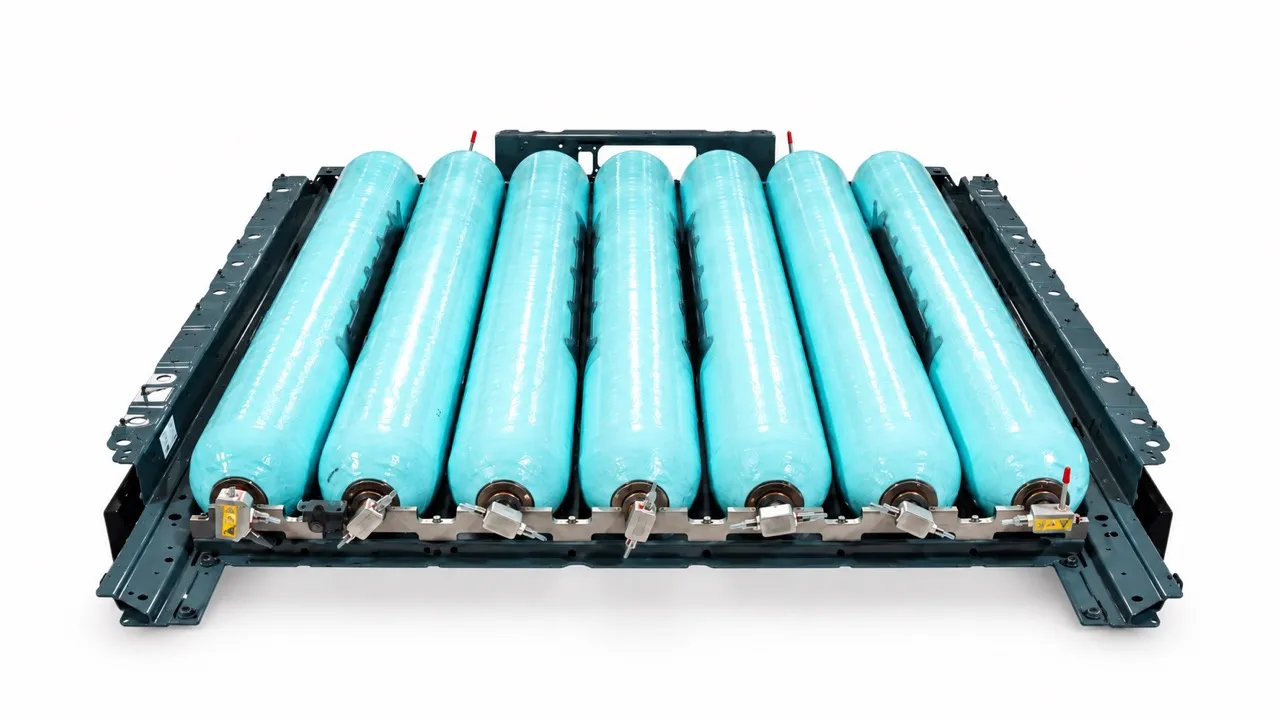
In one fell swoop, BMW found a solution to two problems with hydrogen cars. It’s called BMW Hydrogen Flat Storage.
For now, let’s ignore the elephant in the room: the lack of a hydrogen fueling network. It’s a problem—or a “challenge,” as it’s called now—but somewhere, action must be taken.
BMW and Toyota started by focusing on the product, hoping that European countries will comply with AFIR (Alternative Fuels Infrastructure Regulation), a EU regulation designed to promote the expansion of electric charging stations and hydrogen fueling points on European roads.
This alliance continues to work on fuel-cell technology for cars. It is a technology in which hydrogen reacts with oxygen to generate electricity to power electric motors. If you enjoy details, you can watch this video where I drove a Toyota Mirai with a Portuguese license plate.
The technology already exists. The challenge now is to make it more compact and viable from an industrial perspective. This is where the German brand’s new technology comes in. It is called BMW Hydrogen Flat Storage and resembles a battery in electric cars, both in size and function, with the key difference being that the energy is stored in the form of hydrogen.
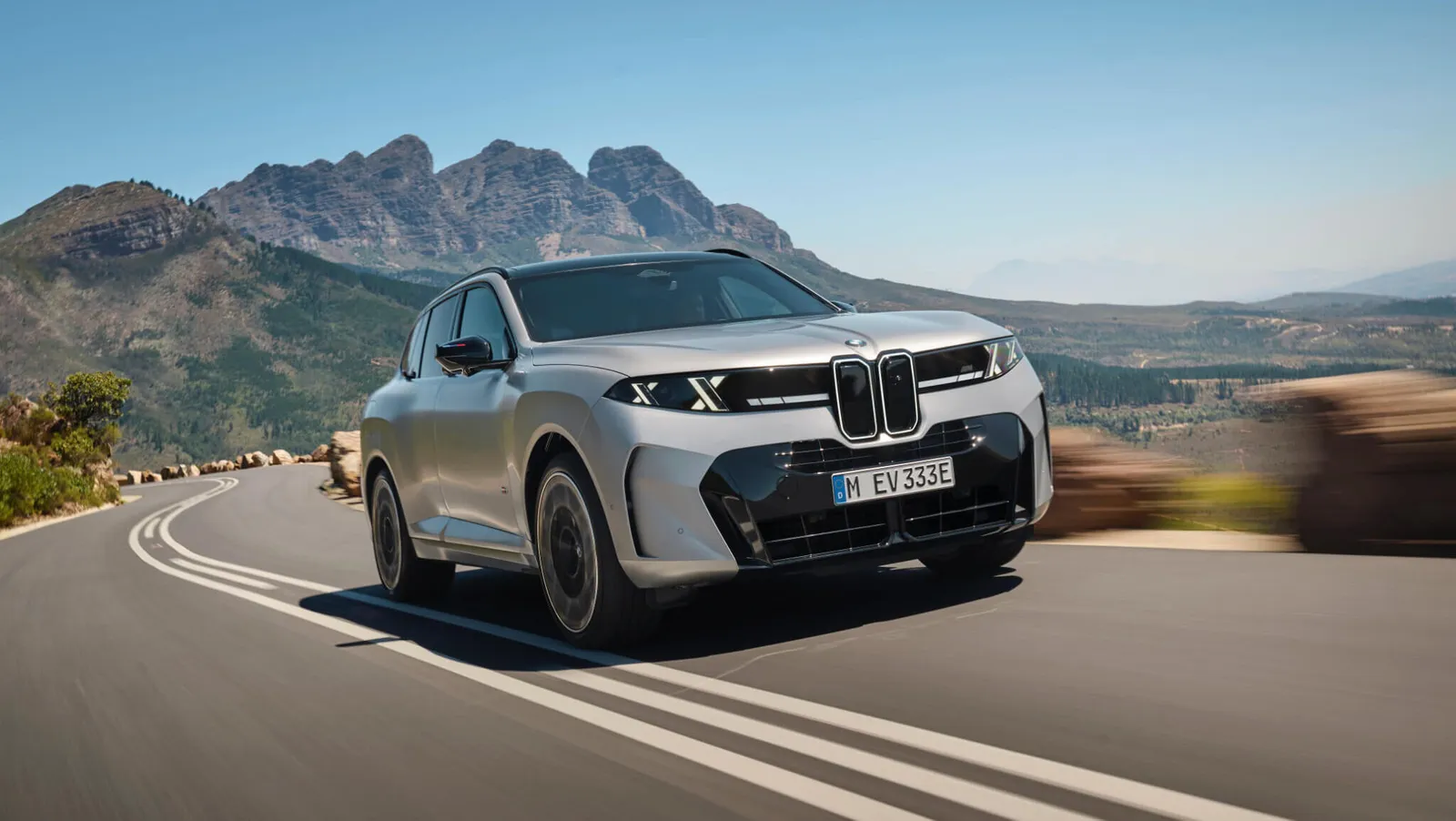
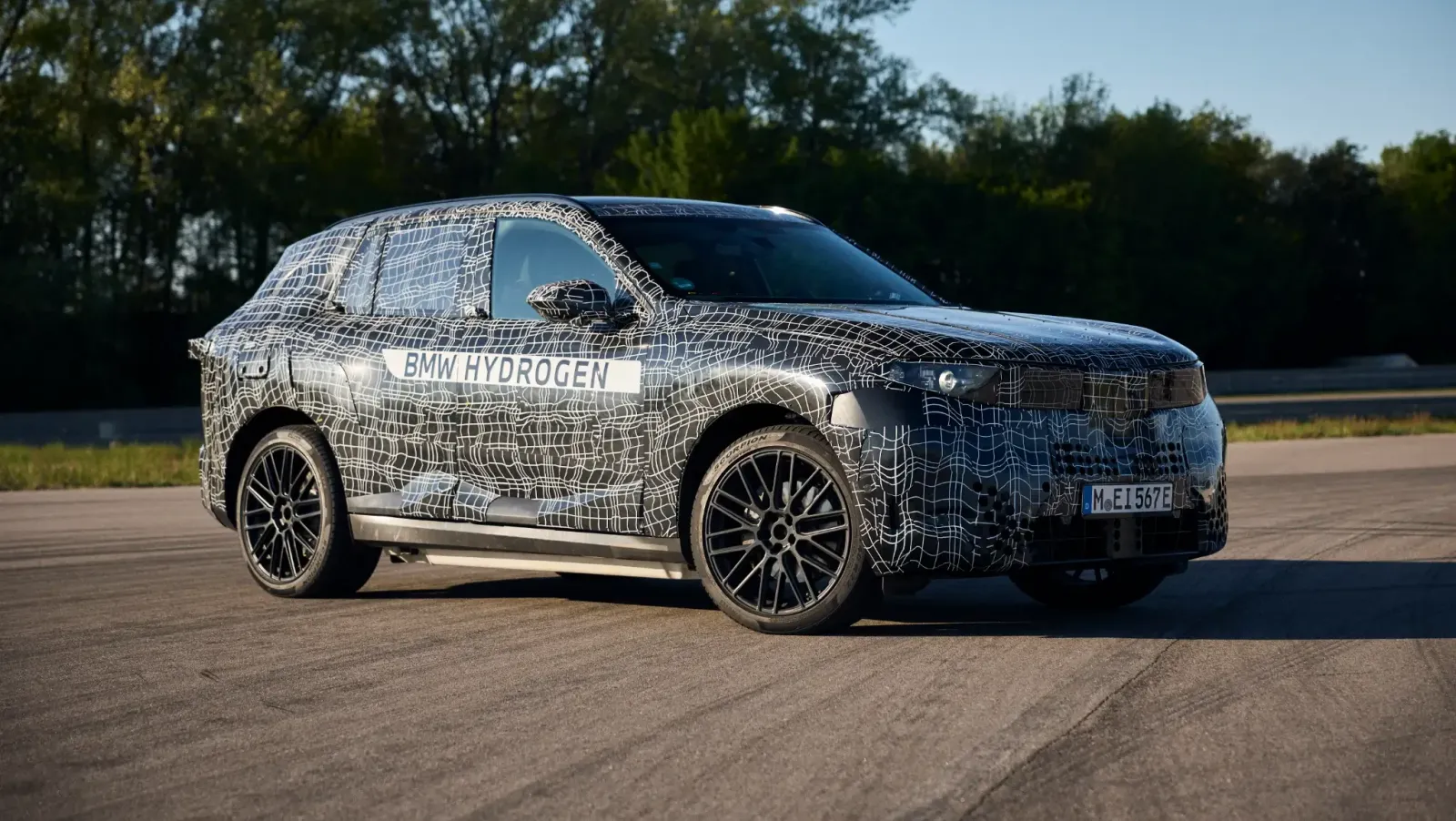
With this new technology, BMW may have solved two problems at once: the packaging of hydrogen tanks and the integration of this technology into production lines. The first result will be the new BMW iX5 Hydrogen, with mass production scheduled for 2028. BMW’s goal is to give hydrogen a place in the X5 lineup alongside other powertrains.
Seven storage units in the space of a battery
The large hydrogen tanks we’ve known until now have been replaced by a system that combines seven storage units made of carbon fiber-reinforced composite material, connected in parallel and integrated into a metal frame. A main valve controls the entire system, which can store at least 7 kg of hydrogen at 700 bar pressure.
This represents a significant change for both those who develop cars and those who use them. Engineers now have the freedom to integrate storage systems, as the cabin no longer has to give space to storage compartments. As mentioned, the first vehicle to adopt this technology will be the BMW iX5.
High-pressure storage containers still exist, but the innovation lies in their size and layout: they form a single flat unit designed to fit within the space reserved for BMW’s Gen6 high-voltage battery. According to the brand, this integration helps preserve cabin space.
BMW claims that with this setup, the vehicle can achieve up to 750 km of range and be refueled in less than five minutes. These figures are still for a vehicle under development, without final WLTP certification data.
Discover your next car:
The factory also benefits
With the packaging issue for hydrogen tanks resolved, the second problem addressed by this solution lies in production lines. Standardizing the space occupied by energy storage systems reduces the differences the factory must accommodate between 100% electric battery-powered and hydrogen-powered versions. BMW cites reduced technical complexity and lower production costs as benefits.
This integration will have another consequence: bringing the costs of electric vehicles with batteries (EVs) even closer to those of electric vehicles with hydrogen fuel cells (FCEVs). From this perspective, there isn’t much work left to be done. For example, in Portugal, a Toyota Mirai costs around 65,000 euros—a price very close to that of an equivalent electric sedan.
The more development and production capacity that can be shared with other types of engines, the less effort will be required to bring new hydrogen-powered models to market. In addition to Toyota and BMW, Hyundai and Renault are also developing technologies based on this energy source.
