
Nio replaced 1.19 million batteries in one week. 4,100 stations underwent holiday testing
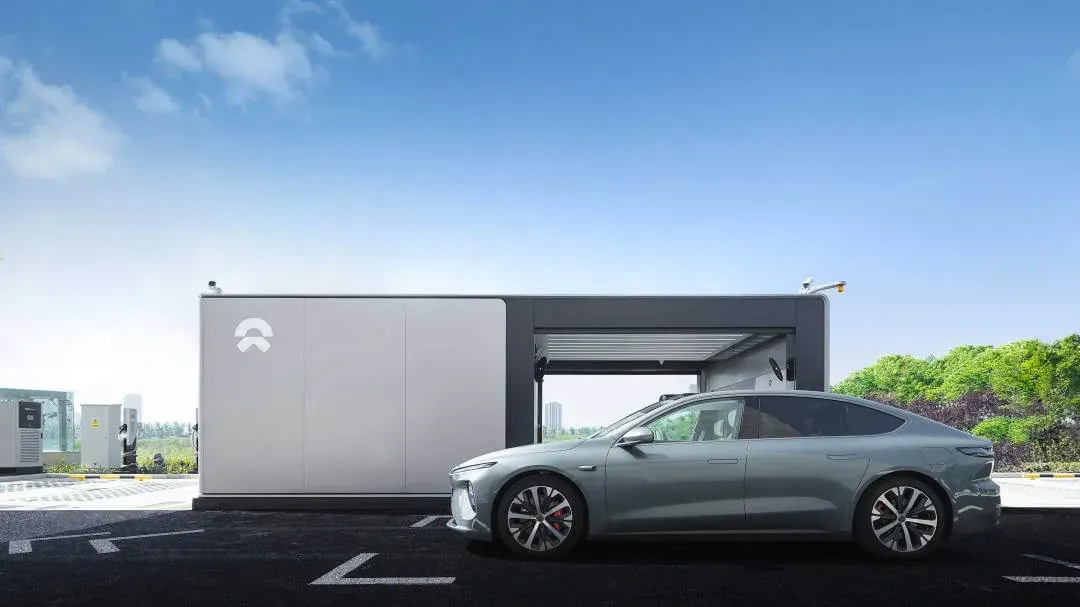
Nio announced on October 10, 2026, that during the week celebrating China’s National Day, its stations carried out 1,192,221 battery swaps. The operations took place from October 1 to 7, with the daily average being nearly 22% higher than the previous year.
Approximately 4,100 battery swap stations handled this volume of traffic. This translates to over 170,000 operations per day and around 42 swaps per station daily. However, this second figure is greatly simplified, as the traffic is not evenly distributed, with locations near highways being particularly busy.
The heaviest demand came during holiday trips
The week off due to the National Day is a period of increased travel in China. According to Nio’s report, drivers using highways accounted for a large portion of the demand, with the number of charge transactions reaching nearly 175,000 on the busiest day.
The company also stated that drivers consumed over 24.83 million kWh of energy during this period. However, this is not an independent network audit but a figure prepared by Nio itself. The data provided do not show the costs of maintaining charging stations, their average usage, or the number of transactions per location.
Record daily numbers were already seen during Chinese New Year celebrations at the beginning of 2026. However, the figures from the first week of October demonstrate the scale of the entire system over a longer, exceptionally intense period. Over a million transactions in seven days is hard to attribute solely to impressive marketing material.
Swapping Instead of More Powerful Chargers
The driver drives the car into the station, and the devices automatically disconnect the depleted battery and install a charged one. Nio states that the entire process usually takes 3-5 minutes, though videos showing just the operation also show times under two minutes. The difference likely depends on whether we are counting only the mechanical swap or the entire time the car stays at the station.
This system eliminates the issues of cables, weather, and waiting at chargers, but it requires expensive stations as well as a supply of compatible batteries. Nio shows that technically it’s possible to serve hundreds of thousands of drivers per day. However, we still don’t know what the economics of this network look like or whether a similar scale can be achieved outside China.
LovEV Newsletter
Want more content like this?
Sign up — we’ll send you a weekly summary once the newsletter starts.