
It's not just range. Battery health is becoming increasingly important when evaluating electric vehicles and assessing damage.
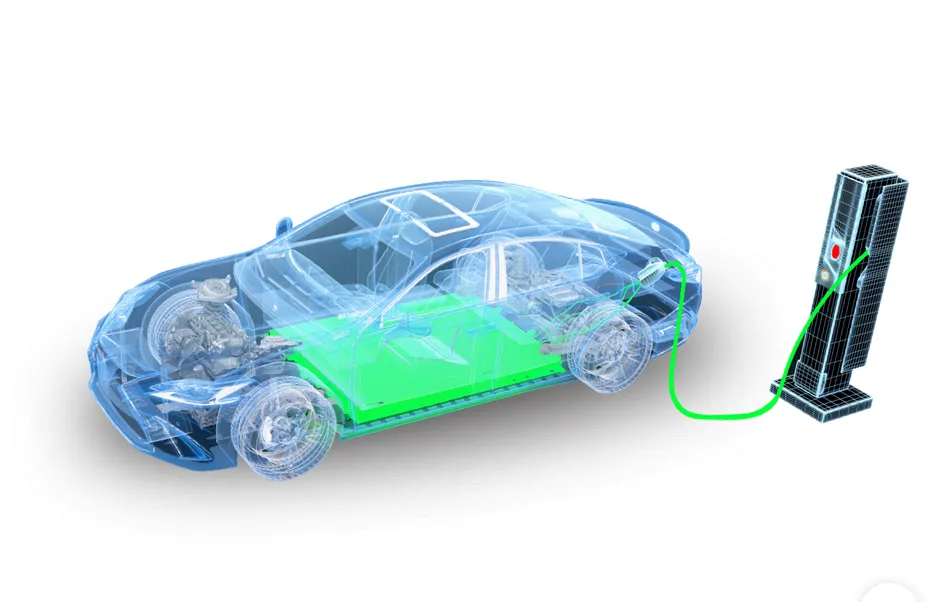
When evaluating used cars with conventional engines, the model year, mileage, and service history are the most important factors. The situation is quite different for electric vehicles, as the value of an e-vehicle is largely determined by the traction battery, which is the most expensive component in the entire drivetrain.
A study conducted by Voltified Energy shows that the secondary market still faces serious issues with transparency regarding battery data. The company’s team analyzed 100 listings of used electric cars from 15 model groups. Only 19 sellers provided the SOH (State of Health) indicator, and none offered a report to verify the stated value. For insurers, appraisers, or potential buyers, this creates real difficulties in assessing the vehicle’s value and poses risks related to its continued use.
As “Gazeta Ubezpieczeniowa” notes, the SOH value alone does not always reveal much. The median reported battery health level was 93 percent, but this applied only to 19 offers. Without documentation, it is unclear when the measurement was taken, what method was used, and exactly what it covered.
Battery Health – SOH Does Not Indicate the Same Condition
Experts emphasize that SOH is just one of the parameters describing battery condition. Two cars may show the same level, such as 90 percent, yet still differ significantly in the actual condition of their battery packs, according to the experts.
As Voltified Energy notes, in one case the voltages of individual cell groups may remain balanced, while in another case significant deviations may occur, indicating uneven wear. Thus, the result alone does not answer whether the capacity drop is a natural effect of use, caused by improper charging, a failure, or a previous collision. Therefore, just as important as the result itself are the date of testing, the methodology used, and the report assigned to the specific vehicle and battery.
The importance of this information increases after an accident. A good SOH reading does not guarantee that the battery’s condition after a collision is safe. Experts point out that damage to the casing, mounts, or protective elements requires an independent technical assessment.
Battery condition – a car’s value is not the same as its insurance risk
A well-maintained battery can increase the value of an electric vehicle, but it does not necessarily mean a lower auto insurance premium. These are two separate issues. For example, according to an analysis by Germany’s insurance association GDV, which covered 53 pairs of comparable models, auto insurance claims for electric vehicles were on average 15-20 percent higher than those for gasoline cars, but they occurred 10-15 percent less frequently. However, these figures did not take battery condition into account, so it is impossible to assess the impact of SOH on premium levels based on them.
As experts emphasize, three factors need to be separated: the value of the vehicle itself, the level of risk assumed by insurers, and the potential cost of repairs. Information about battery condition may indeed streamline the damage assessment process, reduce the number of additional inspections, and speed up compensation decisions, but it does not necessarily mean lower insurance costs.
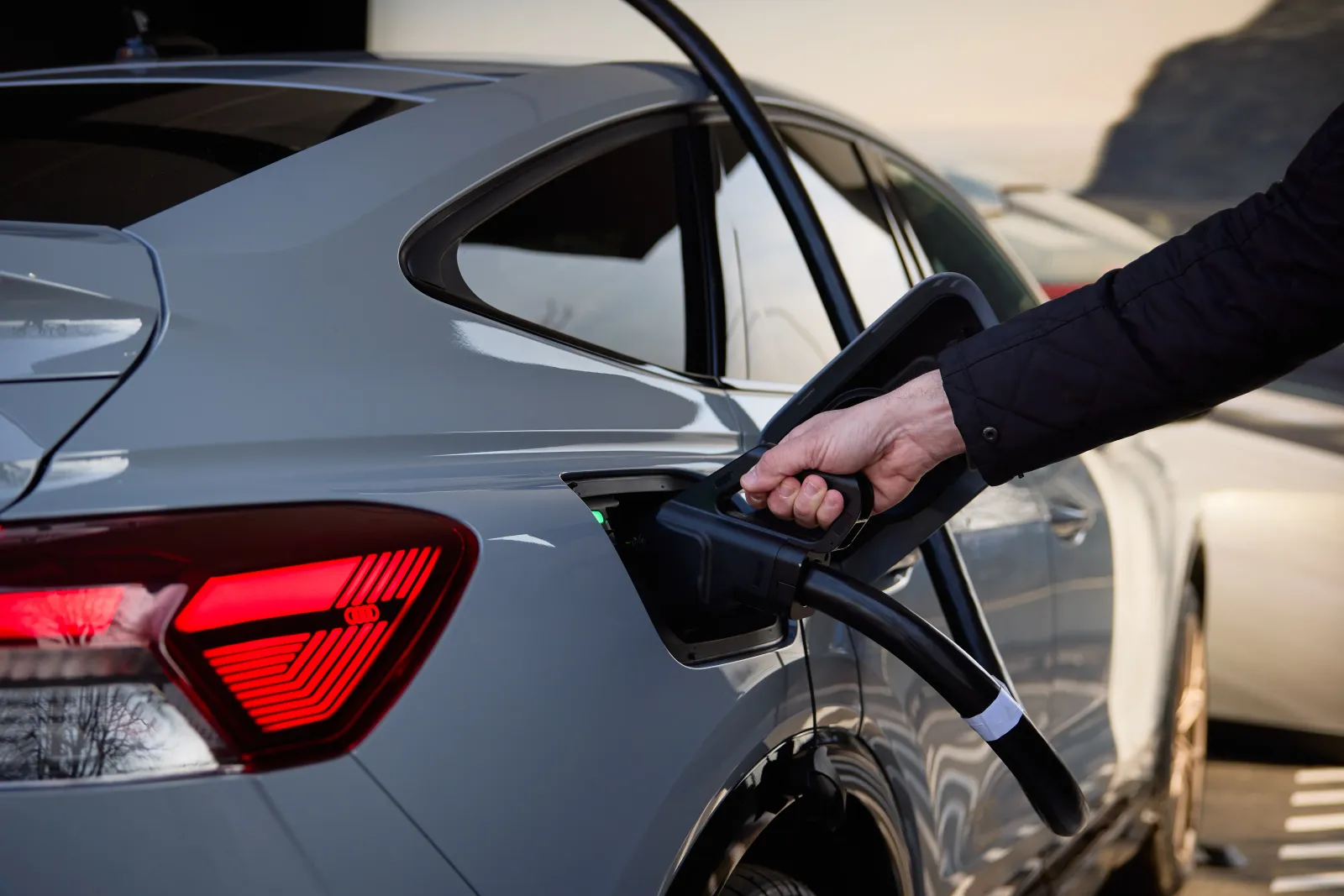
Battery Condition – Concerns Remain Greater Than Actual Problems
The paradox is that discussions about battery health often take place amid concerns that are increasingly failing to find confirmation in actual data. The website WysokieNapiecie.pl, citing years of research by a team from the Technical University of Munich (TUM), describes the test results of cells used in the Volkswagen ID.3. Scientists analyzed their performance under conditions similar to everyday use for three years. The findings turned out to be surprisingly optimistic.
As editor Bartłomiej Derski wrote: “The battery in the VW ID.3 produced in Poland, used in urban areas, will last 1.5 million km, outlive the car, and fail due to age.” According to the research, degradation amounted to only 0.019 percent of capacity per 1,000 km driven.
The author notes that real-world use proves to be gentler on batteries than traditional laboratory tests. The car remains parked for about 96 percent of the time, allowing the cells to stabilize the chemical processes occurring within the battery. As a result, degradation occurs more slowly than previously assumed.
Battery condition – AAA Auto data confirms durability
Similar conclusions can be drawn from observations of the used car market. Data provided by AAA Auto for over 200 used Volkswagen ID.3 and ID.4 vehicles show that cars with mileage of around 70,000–80,000 km retain an average of 92–93 percent of their original battery capacity.
Rafał Olejnik, an EV technology expert at AAA Auto cited by our portal, estimates that after several years of use, the loss in usable capacity is on average around 7 percent. He believes this represents “minimal battery degradation, indicating an effective charging cycle management strategy, which translates into high stability in the vehicle’s residual value on the secondary market.”
This is precisely why there is growing talk about the need to standardize reports on battery condition. For buyers, it would serve as a decision-making factor; for appraisers, it would be the basis for valuation; and for insurers, it would provide an additional source of information when assessing damages.
Oskar Włostowski