
Net metering or net billing? New subsidy for energy storage changes the calculations
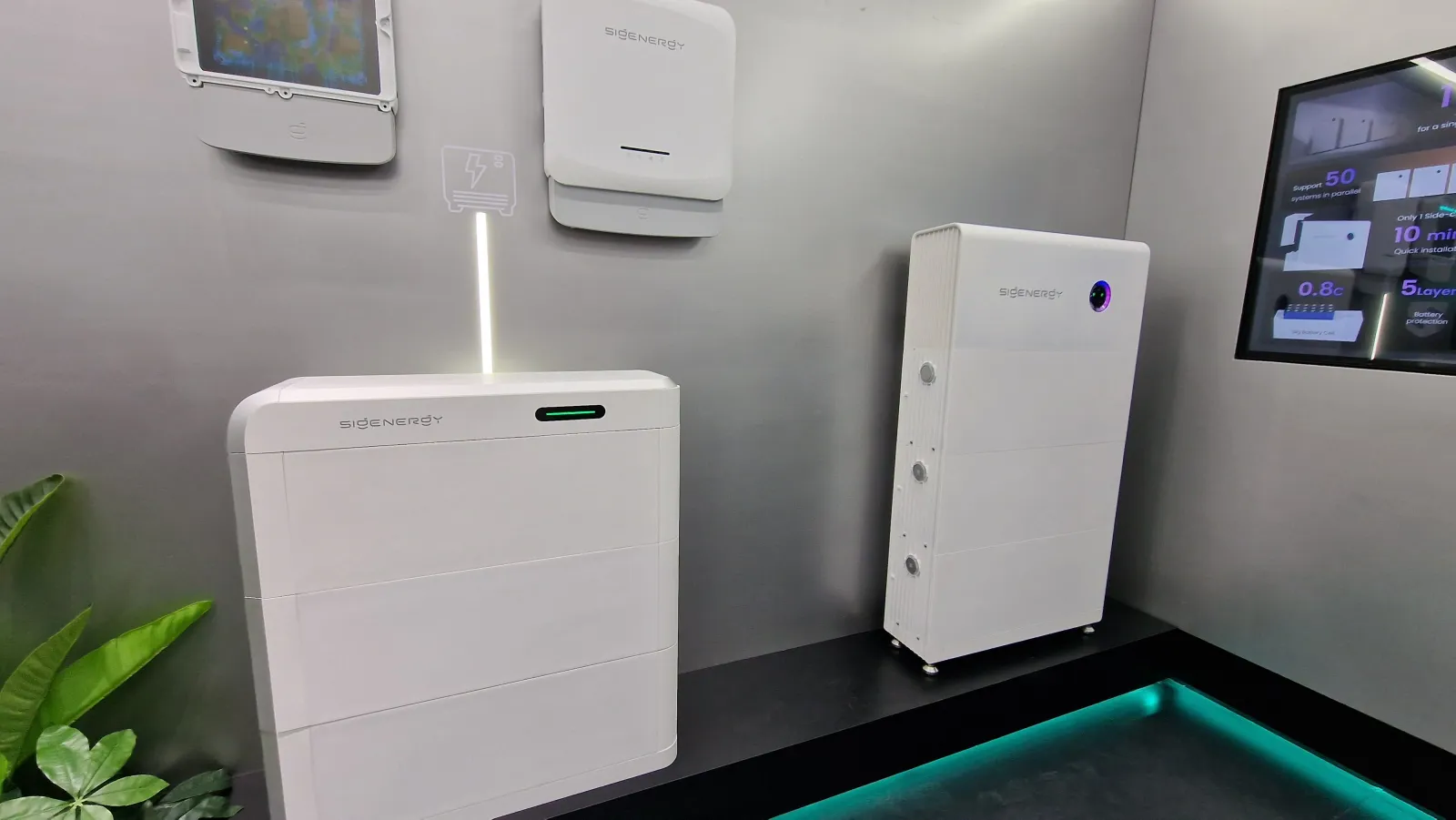
For many owners of older solar installations, the most important question this fall is: should they stay with net-metering or switch to net-billing to take advantage of a higher subsidy for energy storage?
The new Home Energy Storage 2 program, for the first time, does not close doors to producers using the old billing system. This represents a significant change from previous programs, where support for storage was tied to net-billing.
Energy storage – Net-metering and net-billing. What is the difference?
Net metering, or the credit system, applies primarily to installations that applied for connection by the end of March 2022. This still amounts to over a million prosumers. Under this system, we do not calculate energy based on its price but rather on the quantity. For every 1 kWh fed back into the grid, one can later receive 0.8 kWh for installations up to 10 kW, or 0.7 kWh for installations between 10 and 50 kW.
The grid thus serves as a large, seasonal energy storage facility in a sense. During summer, we send excess energy, and part of it can be recovered in autumn or winter. Net-billing works entirely differently. Energy fed back into the grid is sold at market prices, and its value goes into the prosumer deposit. The funds accumulated are then used to cover the cost of the energy drawn, but not all distribution-related fees. The problem is that photovoltaics produce the most energy when there is also a high amount of energy in the system. As a result, sale prices can be low during these hours.
Energy storage – 8,000 zł or a subsidy of 16,000 zł
In the Home Energy Storage 2 program, the difference in subsidies is significant. A prosumer using net-metering can receive up to 8,000 zł for an energy storage system. Those using net-billing can receive up to 16,000 zł.
At first glance, it might seem tempting to switch to a new system just to get an additional 8,000 zł. However, this is where the most important catch lies: it will no longer be possible to return to net metering later on.
Energy Magazine – is it worth changing the system for 8,000 zł?
In most cases, simply comparing the amount of subsidies is an over simplification. Net metering still has a very real value. It allows excess energy produced in the summer to be used during a completely different time of year. A home energy storage system cannot replace this, as it usually stores energy for a few hours, at most a day or two, rather than several months. Therefore, a homeowner with a well-designed system that takes advantage of tax credits and has large excess energy production in the summer might lose more by switching systems than they gain from an additional 8,000 zł in subsidies.
The situation at home with high and increasing energy consumption may look different, especially if there is a heat pump in use, an electric car being charged, or if the system is set to be connected to smart energy management. In such cases, it matters not only how energy is billed from the grid but also the ability to charge the storage during off-peak hours and use one’s own energy when electricity prices are higher.
Energy storage – most cost-effective for high self-consumption
Regardless of the billing method, it is most advantageous to use one’s own energy directly at home. Every kilowatt-hour that doesn’t need to go through the grid avoids some of the losses associated with billing rules. Thus, storage allows you to retain energy produced during the day and use it in the evening or at night.
In net billing, this is particularly important because instead of selling energy during off-peak hours, it can be used a few hours later. With net metering, the financial benefit of an energy storage system may be smaller, as the feed-in tariff system already partially serves as a “virtual storage” solution. However, batteries can still reduce energy consumption from the grid and increase a household’s independence.
Energy storage – it’s not always for emergency power
You need to be cautious about a common misconception here. Simply purchasing batteries does not automatically mean there will still be power in the home during a grid outage. For this to work, you need a properly configured system with island mode or backup functionality, an appropriate inverter, separate circuits, or a solution that allows powering a larger portion of the building. If someone really wants to protect their home from power outages, they must check this functionality before choosing a device.
Energy storage – who might benefit from switching to net-billing?
The change is particularly worthwhile when a household uses more and more energy, has a heat pump or electric car, plans to build a larger storage system, and can control energy consumption flexibly. The tariff structure and the option to buy electricity during cheaper hours can also be important factors.
This does not mean, however, that net billing will automatically become better. Two similar homes with PV systems of the same capacity can achieve completely different results simply because the residents use energy at different times. It is safest to compare bills and production from at least the past 12 months, check the amount of energy sent back to the grid, and calculate how much of it could be absorbed by a battery storage system.
Battery Storage – Even Old Systems Will Eventually Run Out
Net metering is not a permanent solution. The right to participate in the credit system lasts for 15 years. The first prosumers joined this system in 2016, so for the oldest installations, this period will begin to expire at the start of the next decade. This is another factor to consider when purchasing an energy storage system. The owner of a multi-year-old installation may view the investment differently from someone who still has several years left to benefit from credits.
Energy Storage – It’s Not Worth Changing the System Just for Subsidies
The simplest answer is therefore: an additional 8,000 zł should not alone determine the decision to abandon net metering. For some prosumers, net billing combined with a large battery, heat pump, electric car, and smart control systems can be a reasonable solution. For others, the old feed-in tariff system will remain more financially advantageous.
The biggest mistake would be to treat the higher subsidy as free 8,000 zł. It is a one-time benefit in exchange for a permanent change in the way energy is billed. Before making a decision, it’s wise to calculate not only the cost of the battery after the subsidy but especially the operating costs for several more years of using the entire system.
Piotr Sobczyk