
No tariffs, but there will be a sales cap: Europe reaches an agreement with China to curb its hybrid cars.
13/10/2026 12:30
Updated to
13/10/2026 12:30
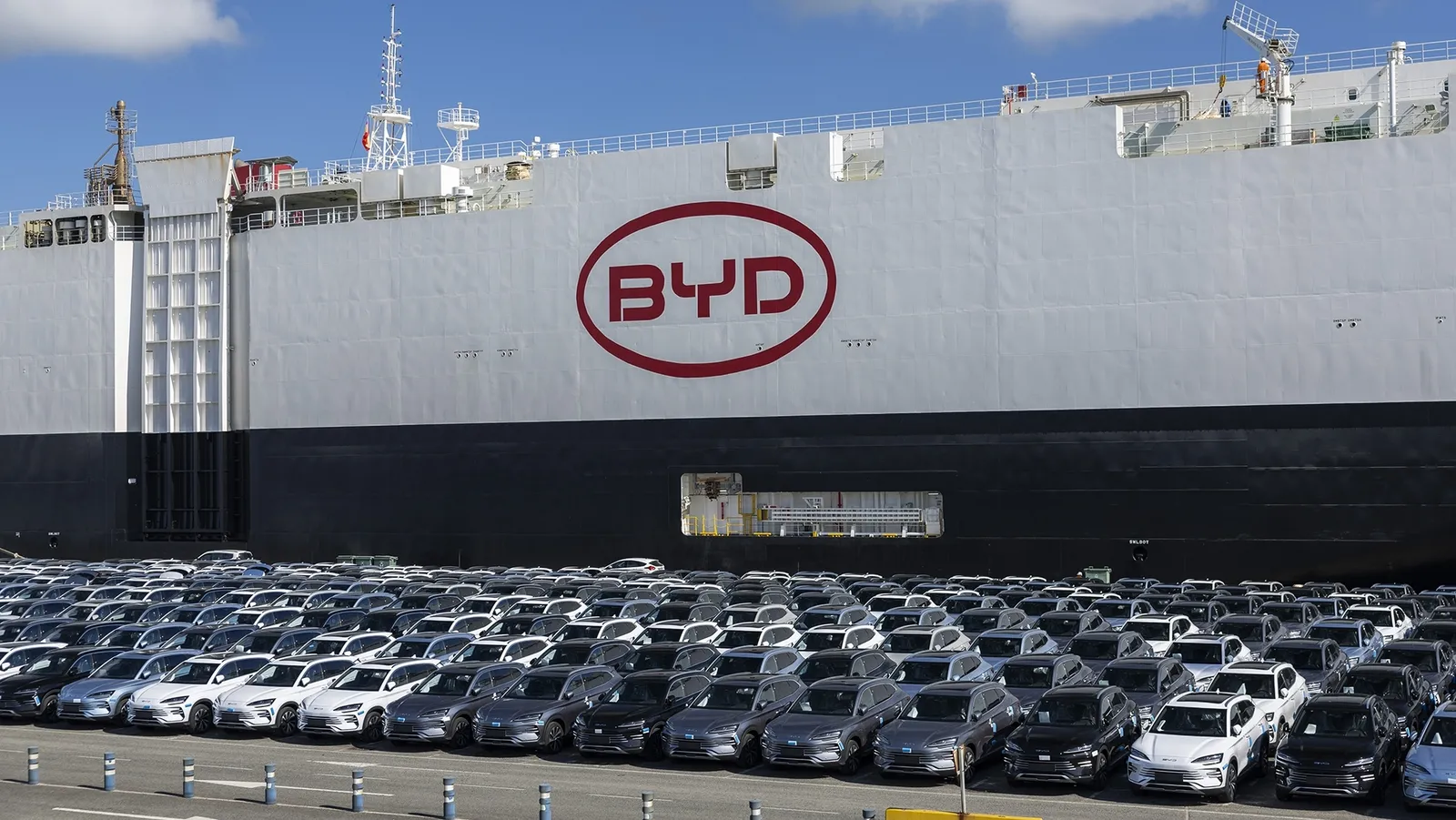
The European Union and China have reached a preliminary trade agreement that could significantly change the automotive landscape in Europe. After several months of negotiations and rumors on social media and various media outlets, both sides have agreed to limit exports of hybrid and plug-in hybrid vehicles manufactured in China. This measure aims to curb the rapid growth of such vehicles in the European market and reduce trade tensions between the two powers.
The understanding was reached following talks in Beijing between the European Commissioner for Trade, Maroš Šefčovič, and China’s Minister of Commerce, Wang Wentao. According to the European representative, the agreement could reduce Chinese hybrid car exports by more than 50% over the next 4 years compared to what would have been expected without these restrictions. The European Automobile Manufacturers Association (ACEA) has already expressed satisfaction, though it warns that important issues remain to be resolved.
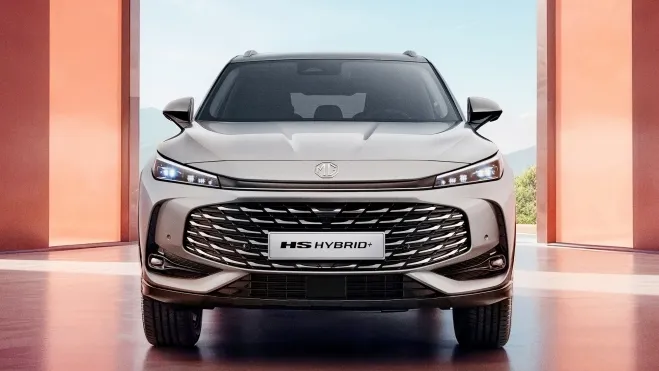
Europe wants to cut Chinese hybrid car imports in half
The growth of Chinese brands in the European market has been particularly notable over the past 2 years. Although electric cars from China are already subject to tariffs, hybrids (in general) had been exempt from such measures. This situation has allowed many Chinese manufacturers to expand their offerings of vehicles with internal combustion engines and electrification systems.
The figures published by ACEA help illustrate the scale of this phenomenon. In the first half of 2026, Chinese brands accounted for 14% of the market share in conventional hybrids sold in Europe, up from 2% in 2024. For plug-in hybrids, their share increased even further, rising from 2% in 2024 to 25% during the first six months of this year. This growth has raised alarms among European manufacturers.
With this new understanding, Brussels aims to moderate this expansion. Šefčovič explained that the restrictions could prevent several million Chinese cars from entering over the next four years, although all details regarding their implementation have not yet been made public. Additionally, the agreement needs political approval from European institutions, so it cannot yet be considered a final measure. It is also unclear how the limitations will be distributed among the various affected manufacturers.
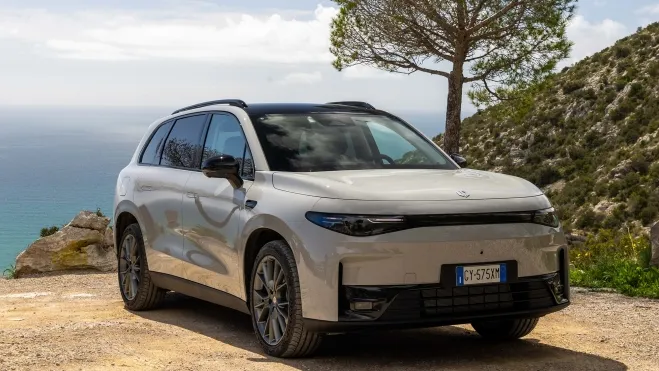
European brands welcome the agreement but warn of new risks
The reaction from the European industry was immediate. ACEA, the association representing the continent’s major automobile manufacturers, viewed the understanding between Brussels and Beijing positively, believing it could help stabilize the market. However, the organization also acknowledges that it still needs to know all the details of the agreement before assessing its consequences.
Sigrid de Vries, CEO of ACEA, has warned that a rapid destabilization of the European market, coupled with price wars similar to those occurring in China, could have serious consequences for the continent’s economy. In this regard, she believes the agreement could facilitate a orderly transition toward greater Chinese manufacturer presence in Europe, something that, according to her, would benefit all parties in the long term.
The agreement also affects electric cars and raw materials
The negotiations between the European Union and China extend beyond hybrid cars. Both sides have agreed to continue talks on minimum import prices and review procedures for fully electric vehicles. These latter vehicles have been subject to additional compensatory tariffs since October 2024, imposed following European investigations into subsidies given to Chinese manufacturers.
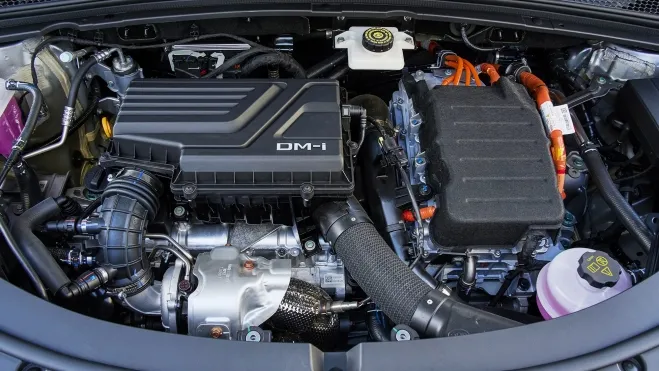
Another topic discussed is improving access for European products to the Chinese market, as well as simplifying the approval processes for exporting rare earths and permanent magnets. These materials are particularly important for various industrial sectors, including electric vehicle manufacturing. For now, the agreement on hybrids is only a first step, and its implementation still needs to be finalized. Its ultimate scope will depend on the decisions made by European institutions and on how the commitments reached with China are translated into concrete trade measures.