
Mondial de l’Auto 2026 – Renault E-Space Concept: the anti-SUV lifestyle car!
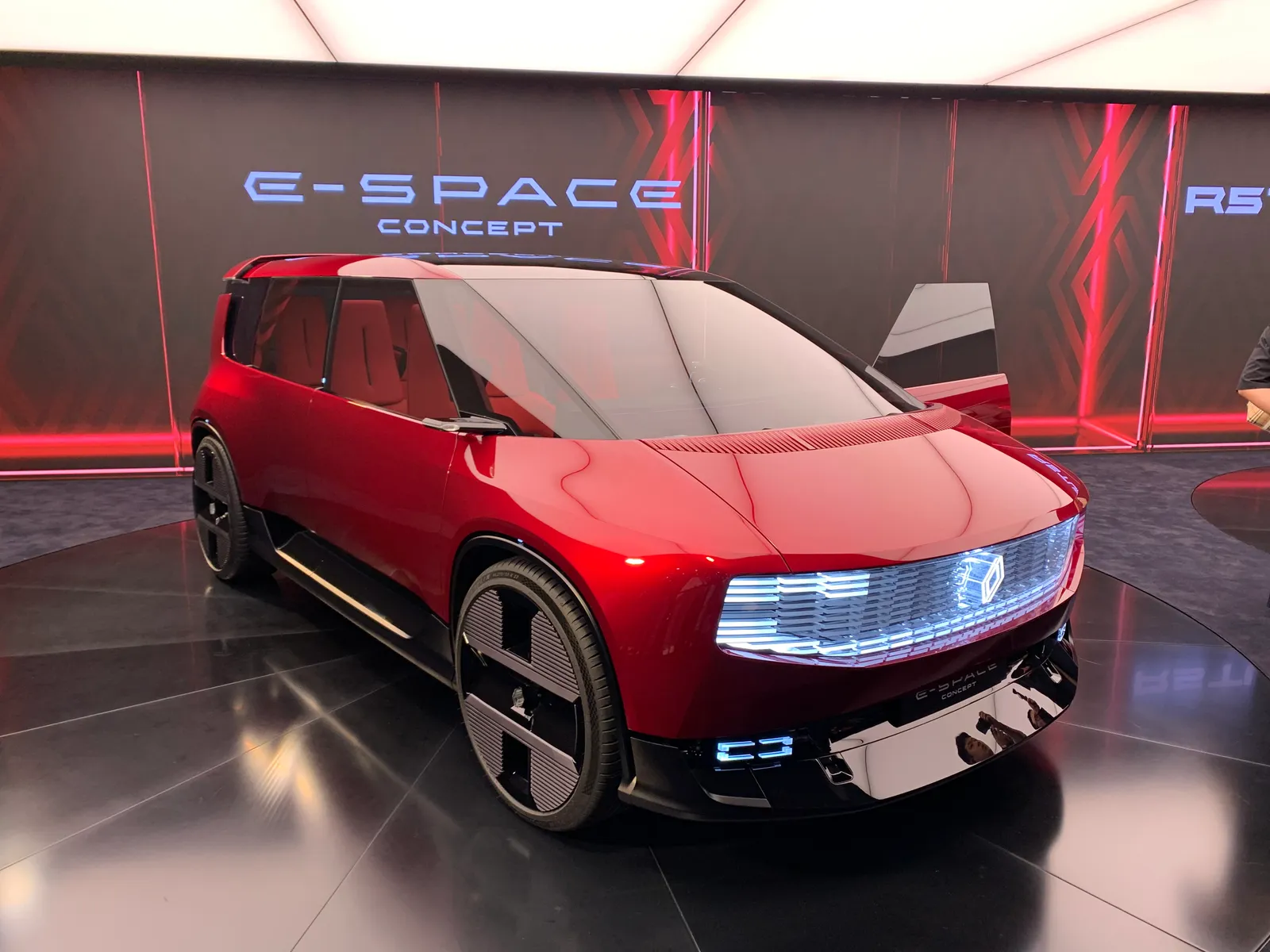
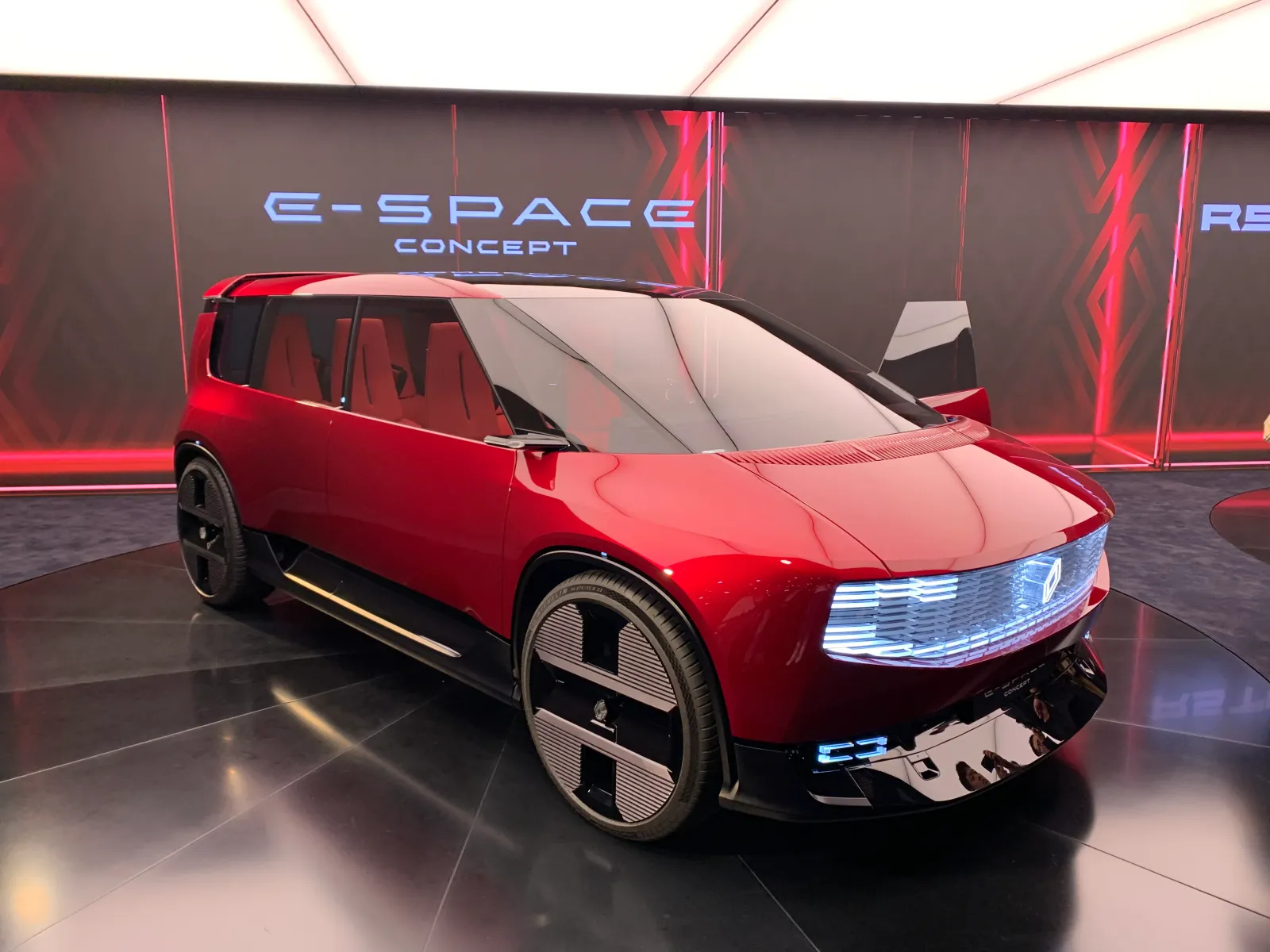
With the E-Space concept, Renault brings back the large monospace and its features that were lost as SUVs became popular: generous glass coverage, high level of modularity... However, a return of a “real” Espace to the lineup has not been confirmed.
After updating its entry-level models with the new Twingo and Clio, as well as the R5 and R4, Renault is now turning its attention to the other end of its product range. The next major project is developing replacements for the Scénic and Rafale, two SUVs. It was thought that we might get a glimpse of these at the Automobile World Expo.
But Renault surprised everyone by bringing a true monospace to the Paris Motor Show, a successor to the Espace series that began in 1984. The Losange brand thus marks a strong comeback of lifestyle vehicles, with a car designed as a mobile living space. The company first envisioned the interior before focusing on the exterior.
Retro Design
The exterior still captures our attention as the Losange continues to embrace retro trends. The E-Space concept makes numerous references to previous generations, starting with the very first one. Features from that model include the short hood extending from the windshield and the grille tilted toward the road. There’s also a window that connects the windshield to the doors (which echoes the fourth Espace as well). This truly reflects the TGV spirit!
The dark treatment on the lower part echoes the large gray protections on the front. In this concept, this area functions as a technical zone that houses the battery or a forward blade that unfolds to optimize aerodynamics. At the rear, the detached spoiler may remind one of the Espace 2. This concept features a new U-shaped lighting signature running across the width of the vehicle, both at the front and rear. This E-Space measures 4.70 meters, a reasonable length.
Let there be light
An aspect that is less common these days is the emphasis placed on glass. The designers wanted a fully glazed cabin, with a glass roof and side windows that extend low, below the body beltline. The idea was to attach body elements to this glass cabin without creating a clear visual boundary between the glass and the “metal panels.”
The cabin, accessible through enormous opposing doors without a center console—a typical feature of concept cars—can seat six people. The seats deviate from traditional automotive designs, drawing inspiration from interior furniture, appearing to float above a flat floor.
As a true minivan, this vehicle emphasizes modularity (something the current Scénic and Espace models no longer offer significantly). The seats in the second row can rotate 180° to face those in the third row. They can also be folded down to form a table for the passengers in the back row. 12.3-inch screens are mounted on the backs of the front seats. Video game controllers are hidden in a sliding console that also includes a refrigerator.
A panoramic screen coming to series production soon
On the driver’s side, the standout feature is the screen located at the bottom of the windshield, spanning the entire width of the vehicle. It’s called Open R Panorama, and Renault claims a similar screen will appear in the next Scénic, expected in 2028. With the traditional dashboard omitted, this screen appears to float.
In place of a dashboard, there is a tubular base with two flexible screens that can rotate, along with a steering wheel featuring mechanical-free technology. At the bottom is a storage compartment that houses the pedals along with its hidden mechanism.
With this concept, Renault also believes in the return of colored interiors. The E-Space uses a range of red tones. There is also a thick carpet.
Technical specifications unknown
Techinally speaking, Renault remains silent and provides no information. It should be noted, however, that for its future electric family vehicles, the brand is developing a new RGEV Médium platform with an 800V architecture. Electric models will take priority, but a version with extended range is also in the works.
While Renault does mention future Scénic and Rafale models, it’s unclear whether a “true” new Espace is on the way. The current model is merely an extended Austral with seven seats. Can we really expect a return of a large monospace at the top of Renault’s lineup? We remain skeptical, as there isn’t yet a clear demand from customers...