
Model 3 and Y power homes during blackouts (but with Powerwall 3)
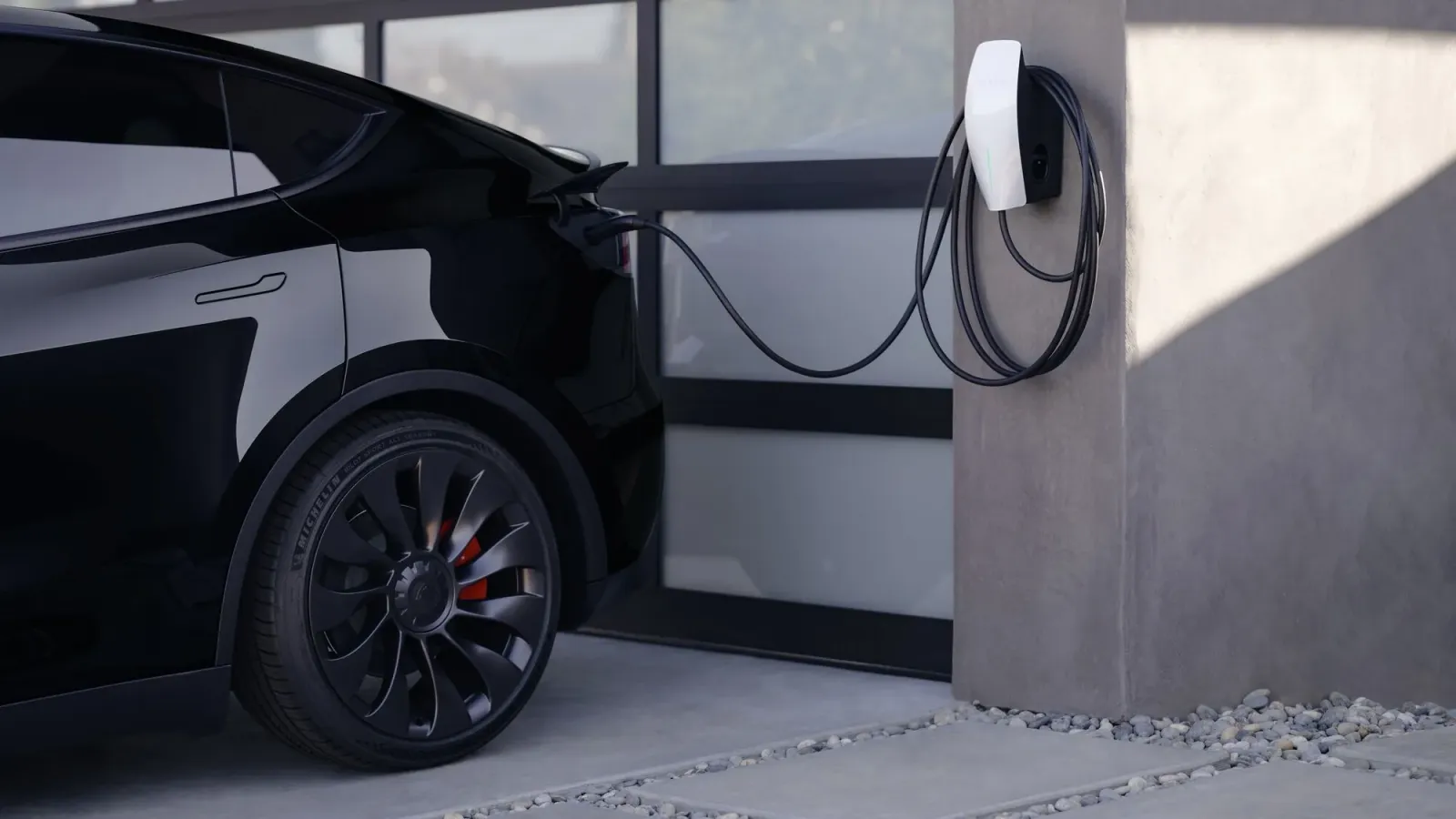
Model 3 and Y: Tesla expands the “Powershare Home Backup” feature. This allows electricity to be supplied to a home during power outages. For now, this is available only for vehicles ordered in the United States starting October 1st and requires a Powerwall 3 with a compatible system. Updates for Europe are expected.
Extending this feature to Tesla’s two most popular models represents progress in integrating electric mobility with home energy management. The Powershare Home Backup function was previously available only on the Cybertruck.
In essence, the system enables use of some of the energy stored in the car’s traction battery to power a home when grid supply fails, turning the Tesla into a kind of additional energy reserve.
Model 3 and Y: 2 Days of Power from the Car’s Battery
According to data published by Tesla, a compatible Model 3 or Model Y can provide over two days of emergency power to a home with a daily energy consumption of 30 kWh, assuming the battery is 90% charged. The Cybertruck, thanks to its larger battery, can offer more than three days of power.
These are approximate estimates that depend on the actual energy consumption of the home, the energy available in the vehicle, and usage conditions. The maximum continuous power output claimed for the system is 11.52 kW.
Its operation is based on two-way energy transfer. Instead of simply charging the vehicle, the system can use the car’s battery to power household appliances during a blackout. This is an application of vehicle-to-home (V2H) technology, which allows electric vehicle batteries to be utilized beyond transportation purposes.
Cybertruck + Powerwall 3: Tesla safeguards home energy systems
Powerwall 3 is essential, at least for now.
To activate Powershare Home Backup, however, one needs the Tesla Powerwall 3, the company’s home energy storage system, along with a compatible Wall Connector. Tesla states that those who already own these components do not need to purchase additional specialized hardware to enable the feature, but they must contact support for setup.
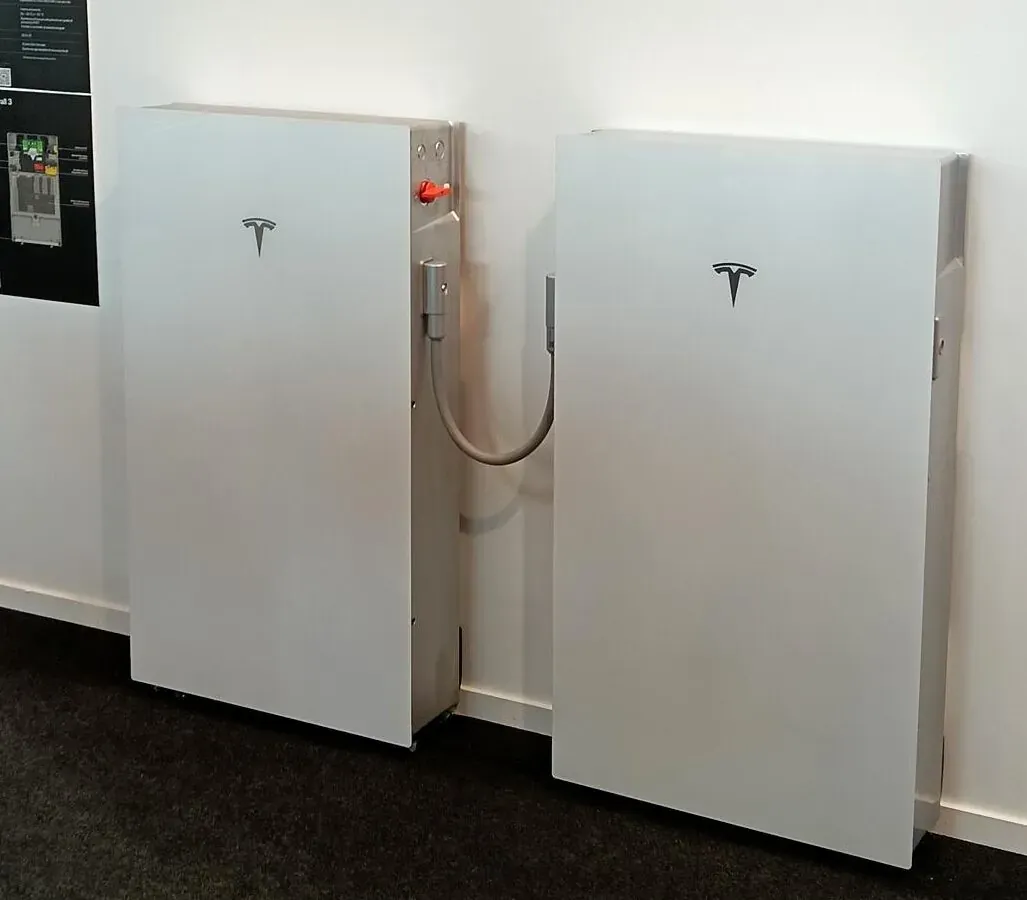
The limitation is still significant: without Powerwall 3, Model 3 and Model Y cannot currently provide home backup through Tesla’s official system.
The vehicle’s production year alone is not enough to determine compatibility. The warranty for this feature applies to vehicles ordered in the United States (and Puerto Rico) starting from October 1, 2026. For earlier models, Tesla states that only some have the necessary hardware. Compatibility depends on the electronics installed in the vehicle, identified by the company as PCS2 Lite.
There is also a difference from other energy applications: it is not possible to resell the electricity stored in the car back to the grid. The Grid Support feature, which would allow using the battery to provide services to the grid, is not available on the Model 3 and Model Y.
Model 3 and Y /Two-way charging, developments
This announcement addresses a delay compared to competitors who have already introduced this capability. Ford presented a home power system for its electric pickup F-150 Lightning in 2022, with a claimed power output of up to 9.6 kW.
In 2023, General Motors also announced the expansion of vehicle-to-home technology to electric models based on the Ultium platform. This compatibility now covers various electric cars and SUVs, as well as pickup trucks in the lineup, through GM Energy’s energy solutions.
Tesla, on its part, had projected the arrival of two-way charging as early as 2023, setting a timeline of about two years. The feature was released later under strict conditions: the presence of a Tesla home energy storage system. This approach aligns with integrating cars and residential batteries but limits flexibility for those who want to use the vehicle without purchasing a Powerwall as well.
In the meantime, external companies have also developed solutions to integrate Tesla vehicles with home energy storage systems, indicating that interest in V2H extends beyond the automaker’s own ecosystem.
As mentioned, this new feature is currently limited to the United States. No availability for Model 3 and Model Y in Europe has been announced, despite these models historically being among the most popular electric vehicles on the market. Further updates are expected.
READ ALSO: Cybertruck+Powerwall 3: Tesla secures home energy systems. And watch the VIDEO
Previous Article
Inadequate charging in A1? Some people faced risks...
