
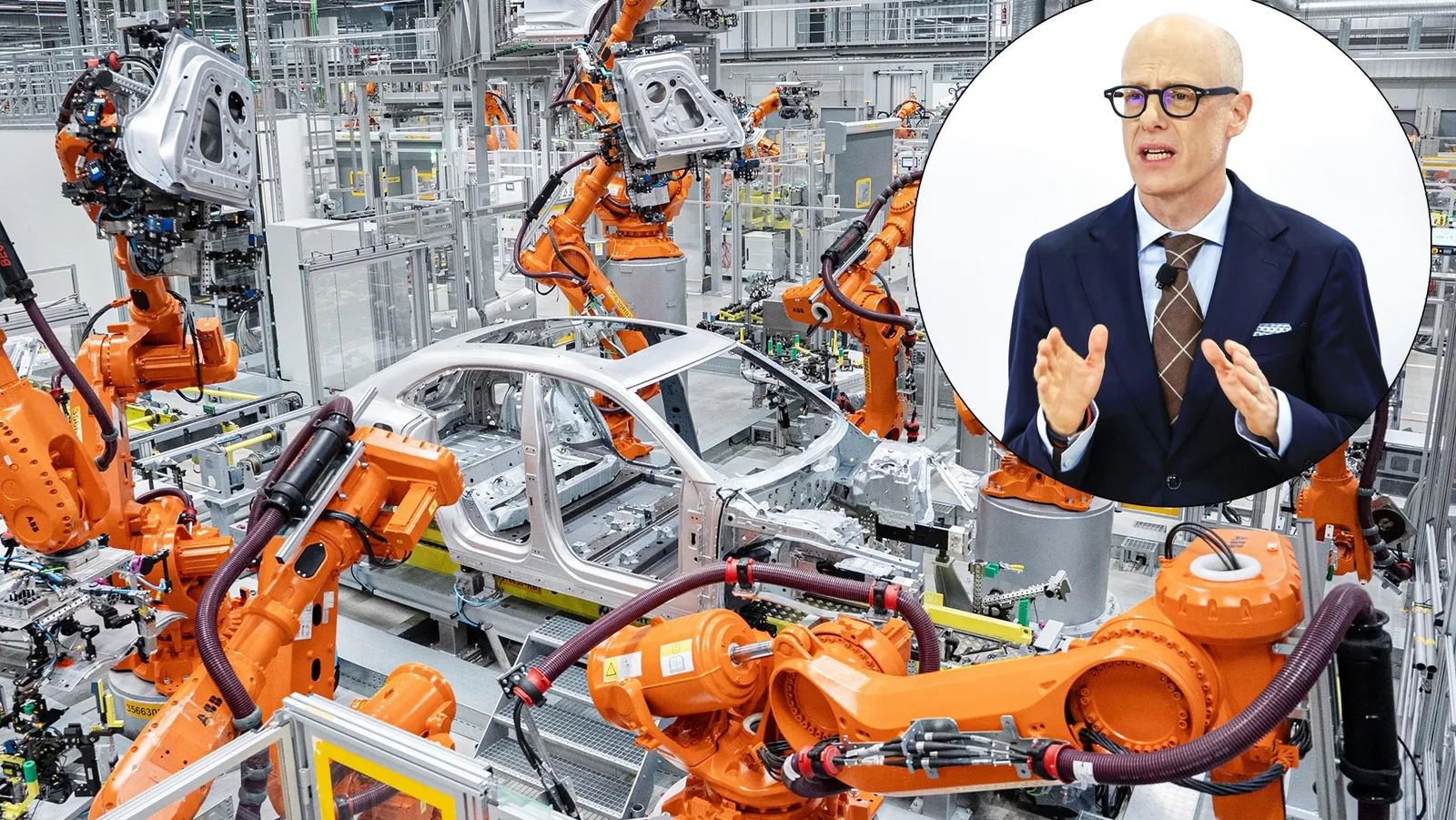
Porsche CEO Michael Leiters outlines the future strategy: increasing sales “value per volume”
10/10/2026 17:30
Updated to
10/10/2026 17:30
Porsche has already explained how it plans to transform itself in the coming years. Its new Sportwagenschmiede '35 strategy will involve cutting costs, simplifying the product range, and accepting lower sales volumes compared to previous years. However, behind all these measures lies a much simpler idea that Porsche CEO Michael Leiters summarizes in three words: "Value over Volume," meaning "value over quantity."
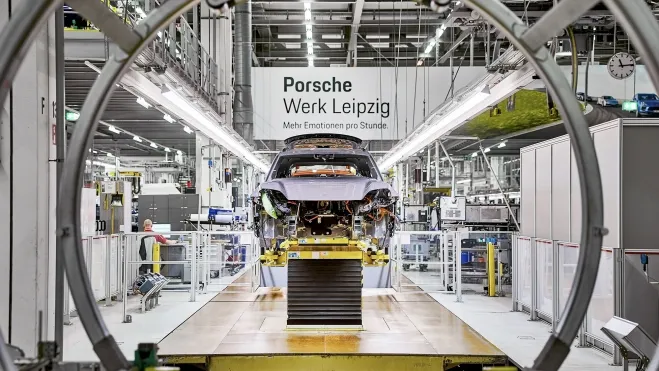
The company aims to rely less on selling ever larger numbers of cars and ensure that each Porsche sold generates more revenue and profitability. This will require developing more exclusive products, increasing the proportion of high-performance versions, and significantly expanding customization options. For certain top-tier models, Porsche plans to raise their average price by about 20%.
Porsche wants to make more money from each car it sells
"The ultimate goal is to further strengthen our exclusive sports car brand across all model lines, with new highly desirable vehicles in particularly profitable segments," explains Leiters. This statement helps explain why Porsche is willing to accept a smaller scale in the coming years.
The company’s strategy involves finding a balance point below 200,000 cars per year, as we’ve already explained. But reducing production volume will only be sustainable if Porsche can simultaneously increase the value generated per unit. That’s why a key part of the plan is to raise average prices and direct a larger share of sales toward products with higher profit margins.
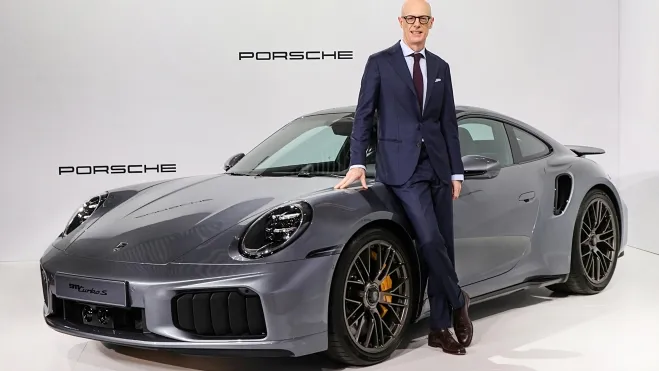
It’s not just about charging more for the same cars. Porsche wants its most expensive models to be more special as well, with a greater distinction from conventional configurations. It is precisely here that exclusivity and personalization play a much more important role in their business model.
"The sportiest car in each segment"
Leiters also wants to emphasize what he considers Porsche’s main advantage over other premium manufacturers. The goal is to offer "the sportiest car in each segment" in which the company is involved, and to extend the 911 philosophy even further to the rest of their catalog.
The name 'Sportwagenschmiede' chosen for the strategy is intended to reflect that idea. "The term was selected deliberately because it captures everything Porsche wants to represent in the future," says the CEO. The German concept can be understood as a kind of workshop or forge for sports cars, aiming to combine performance, craftsmanship, and a more pragmatic approach to running the business.
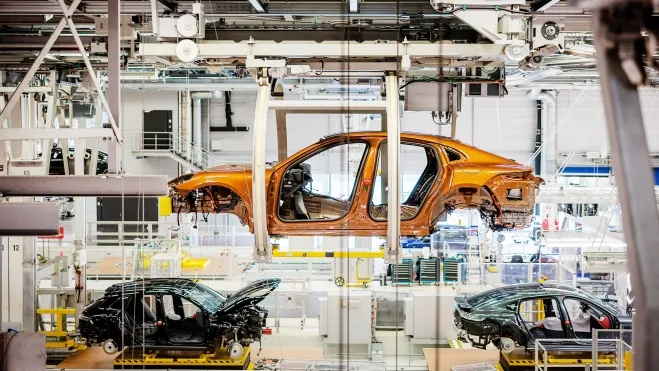
The strategy also includes entirely new models in particularly profitable segments, though Porsche will need to balance this expansion with a significant simplification of its product lineup. The company aims to reduce the number of available variants by about 20% and focus resources on those configurations that truly generate volume or profitability. All of this is part of a shift that goes far beyond simply deciding how many electric, plug-in hybrid, or internal combustion engines Porsche will have by 2035. After years during which Porsche produced well over 300,000 units annually, the priority is no longer to set new sales records.