
Over 1300 kilometers on a single charge: this electric car shows that Europe is winning the battle for range

10/10/2026 08:00
Updated to
10/10/2026 08:00
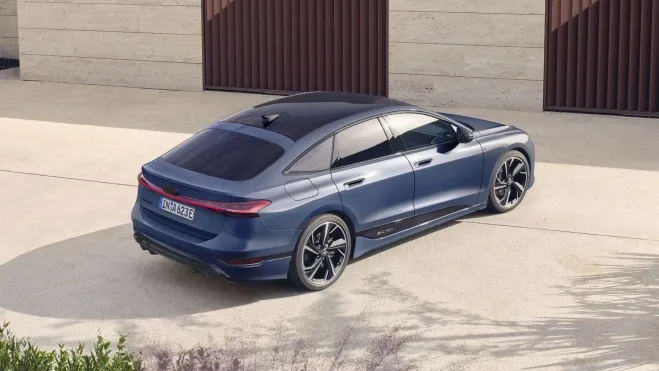
The electric vehicle industry has reached a new historical milestone. While until recently the psychological barrier of 500 kilometers of range seemed like the goal manufacturers should aim for, a European production model has just shown that battery technology and aerodynamic efficiency are ready to go much further. A standard Audi A6 e-tron managed to travel 1,338 kilometers on a single full charge, setting a new Guinness World Record for the longest distance traveled by an electric vehicle without stopping to recharge.
The achievement takes on special significance as it involves a production model with no modifications to any of its components. At the wheel of this efficiency challenge was Polish rally driver Miko Marczyk, who completed a 45-hour journey under open traffic conditions between Hel Peninsula and the Vistula River. This route demonstrates how platforms developed in Europe are beginning to yield returns from years of research focused on energy efficiency.
The importance of energy efficiency on the road
This milestone has been achieved thanks to a combination of several key factors. The Audi A6 Sportback e-tron features an aerodynamic coefficient of Cx 0.21, one of the lowest in its class, which significantly reduces drag as the vehicle moves forward. This is complemented by a rear-wheel drive powertrain with 362 horsepower and a lithium-ion battery with a capacity of 94.9 kWh. The thermal management of the battery pack and the consistent torque delivery from the electric motor allow every watt stored in the cells to be utilized effectively.
A driving experience focused on retention and smoothness
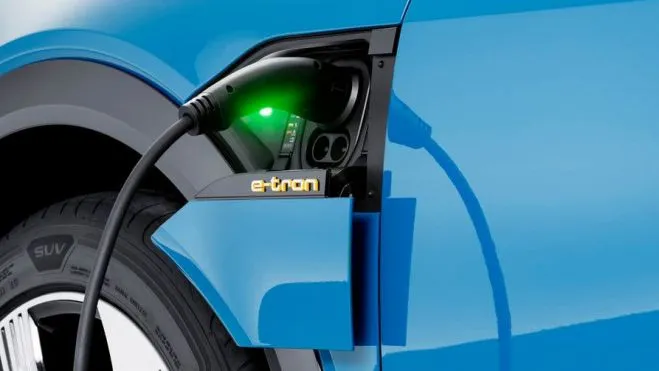
But achieving over 1,300 kilometers depends not only on the engineers’ road design but also on the driving techniques employed. During the 45-hour journey, the vehicle traveled at a moderate average speed of around 30 km/h, aiming for the optimal performance point of the electric motor while minimizing speed changes that would cause peak energy consumption.
The test was conducted on public roads with traffic, facing temperature fluctuations between day and night with average temperatures of 15 °C. Intensive use of regenerative braking to recover energy during decelerations, along with standard low-rolling-resistance tires from Michelin, were also crucial in keeping energy consumption at minimum levels.

The impact on perceptions of electric technology
These types of tests are not intended to simulate highway driving at constant speeds, but they do serve to demonstrate the capabilities of current propulsion systems. The concern over range, which has deterred many drivers from switching to electric mobility, finds clear evidence of progress in these demonstrations.
Through the development of dedicated platforms like PPE, which underpins this model, it demonstrates that the key lies not only in installing larger and heavier batteries but also in optimizing the interaction between total mass, aerodynamic flow, and power management software. As these highly efficient solutions become more widely used, the range between charges will cease to be a critical issue in the automotive industry.