
Over 1.22 million top-ups and thousands of battery replacements: how China handles road trips in electric cars
Large-scale travel during holidays often puts transportation infrastructure to the test, especially in a country like China, where electric vehicles have become increasingly prominent in recent years. However, data from the recent National Day and Mid-Autumn Festival celebrations offer an interesting insight for the rest of the world: the problem is not necessarily the number of electric vehicles on the road, but rather the infrastructure’s capacity to handle them when they are most needed.
Two of China’s leading automakers have released their results during this holiday period, showing exceptional activity at fast-charging stations and battery swap networks. This demonstrates that when investment in infrastructure is made with peak demand in mind, large-scale travel need not become a headache for drivers.
BYD and NIO test their networks during the holidays
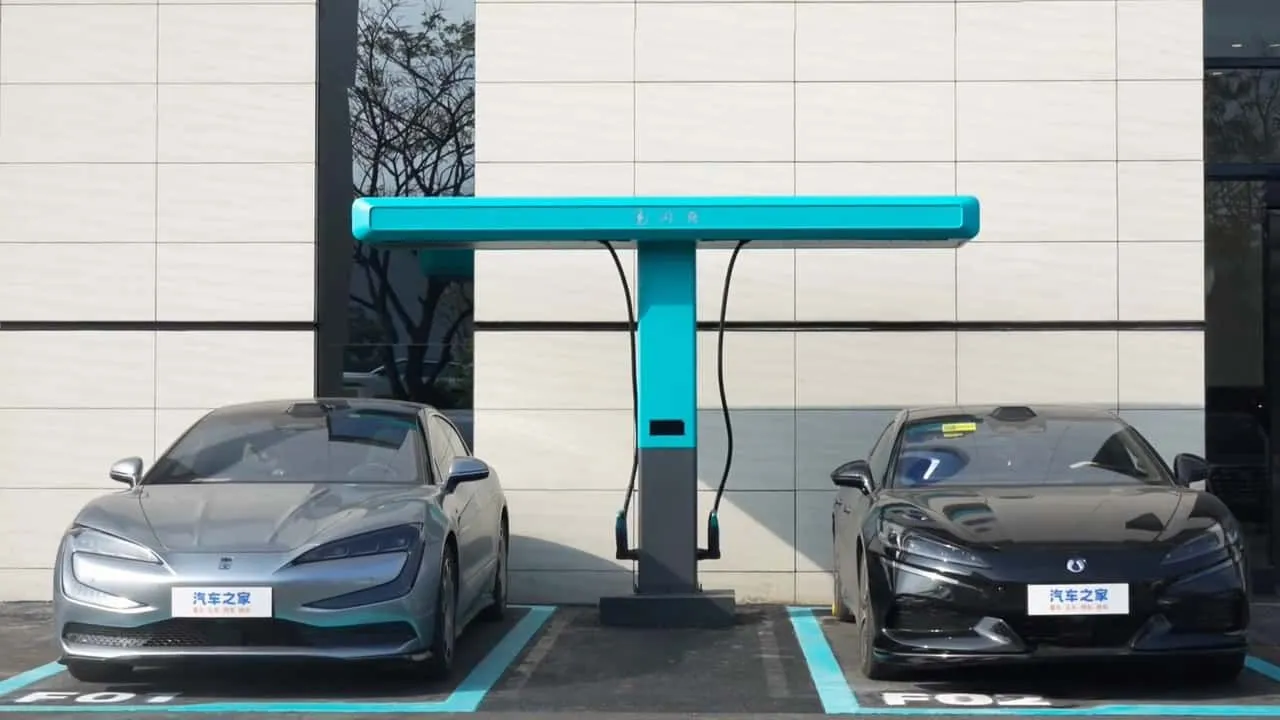
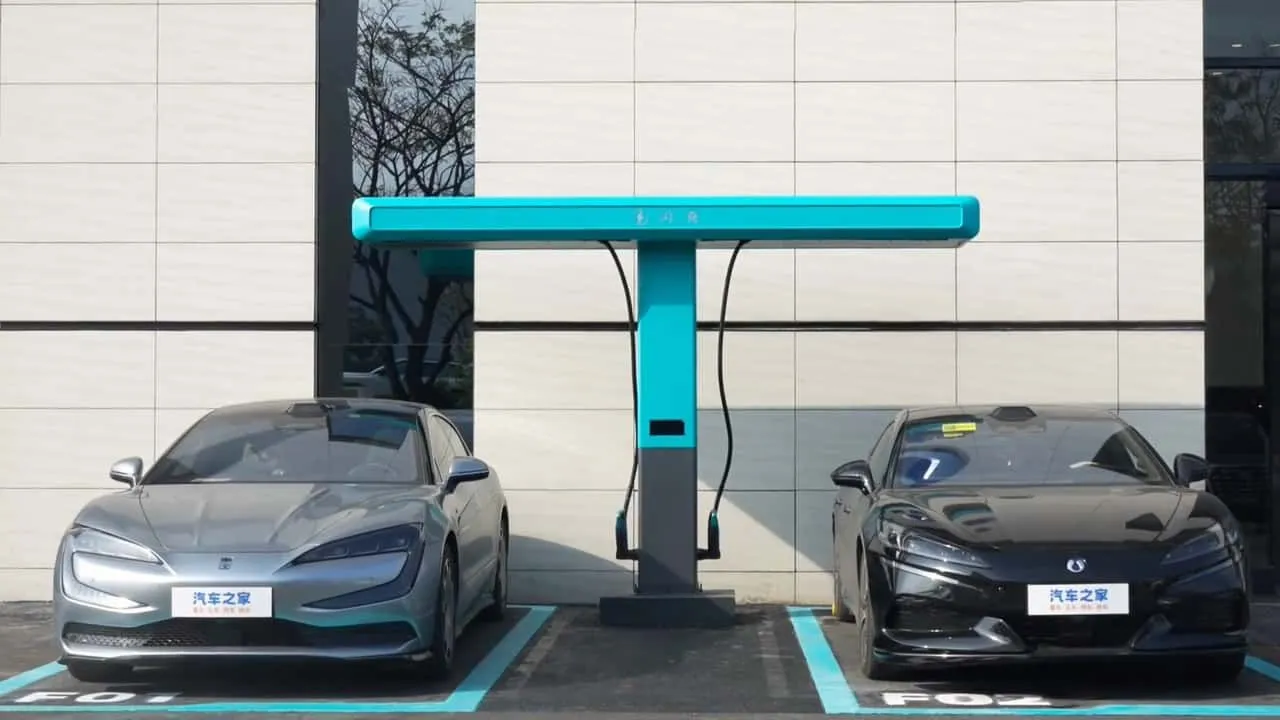
According to a report released on October 9, BYD provided over 1.22 million charging services during the holiday period. The company served more than 540,000 users, with a daily peak of 188,344 vehicles using its fast charging network. These figures illustrate the level of activity that can occur during periods of heavy travel.
As of October 7, BYD had built 12,165 stations in its Flash Charging network, of which 2,111 were located on highways. This infrastructure covers 341 cities in China, enabling seamless integration of daily commutes and long-distance trips. The company also aims to reach 20,000 stations by the end of 2026, virtually doubling its current network in just a few months.
The activity was also high in the busiest locations. A station located at the Baoying service area on the Beijing-Shanghai highway topped BYD’s list of roadside stations, with 144 transactions in a single day. It was followed by two other facilities on the Ningluo and Lianhuo highways, with 143 and 130 daily services respectively.
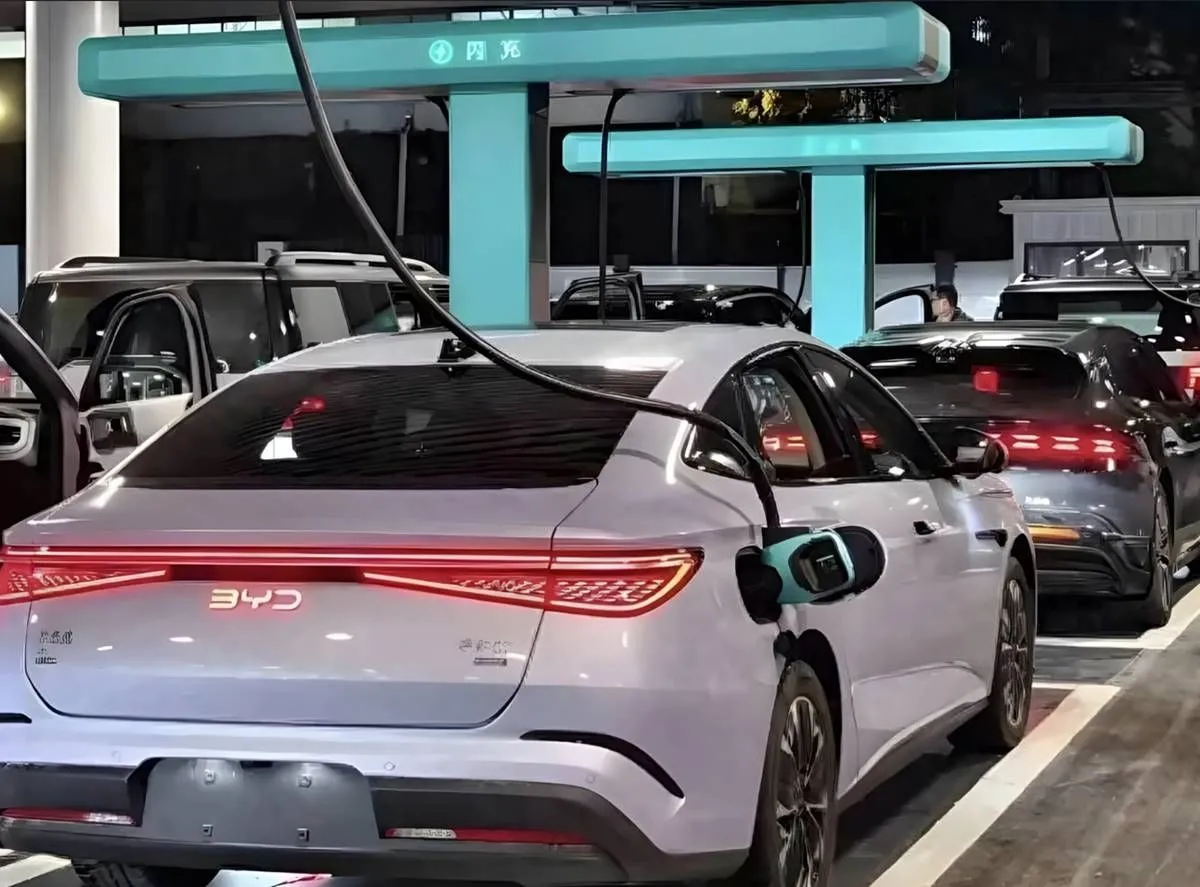
In stations located in parking lots and other urban areas, the numbers were even higher. The busiest station, situated in the parking lot of the Jindu automobile complex in Beijing, recorded 160 transactions in a single day. These figures illustrate the strain a network can endure during peak demand periods, as well as its ability to handle a large number of vehicles when there is sufficiently extensive infrastructure.
BYD claims its system enables the recovery of a significant amount of energy in just a few minutes, with the slogan of charging in five minutes to achieve nearly full charge in nine. However, these times need to be viewed in context, as they depend on the vehicle, battery condition, available power, and charging conditions. These are not figures that can be automatically applied to any electric car or charging station.
The company opened its 10,000th charging station on August 28 in Shenzhen, and has set the goal of reaching 20,000 stations by the end of the year. This rapid expansion pace reflects how heavily Chinese manufacturers are investing in building their own networks rather than relying solely on external operators.
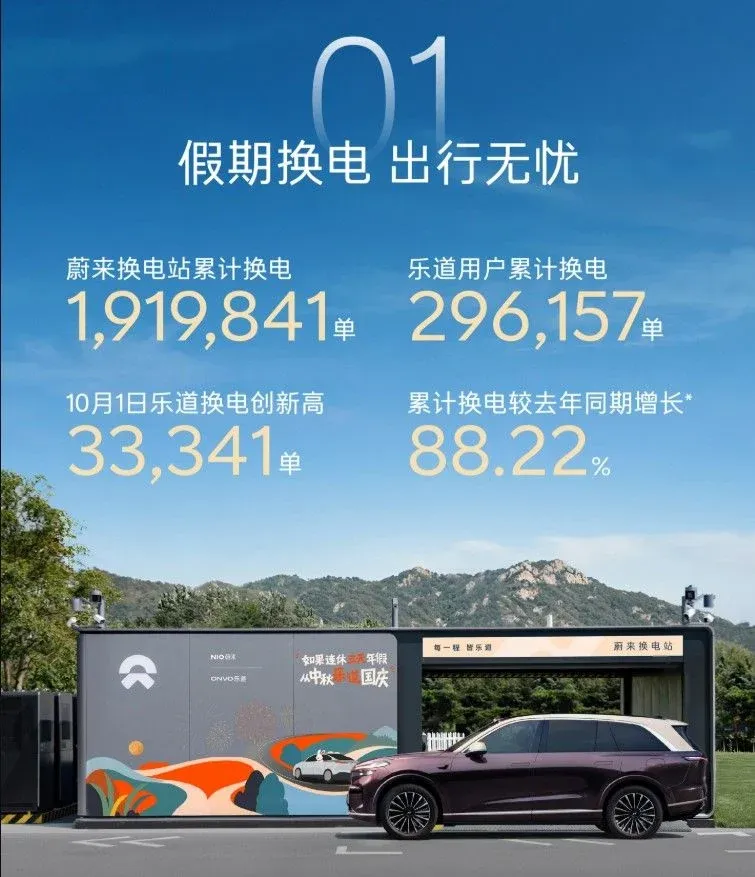
NIO, on the other hand, has shown that there is another way to handle long-distance travel. Its most affordable brand, Onvo (known in China as Ledao), shared with users NIO’s charging and battery swapping infrastructure, which exceeded 9,500 stations across both services during the analyzed period.
Between September 25 and October 7, Onvo users completed 296,157 battery swaps, which is an 88.22% increase compared to the same period last year. October 1 was the busiest day, with 33,341 swap transactions taking place in a single day. The network allows drivers to replace a depleted battery with a charged one instead of waiting for a conventional charge to finish.
This system is particularly useful for those who travel long distances during holidays. According to the published data, Onvo users covered over 255 million kilometers during this period, with 86,179 drivers making trips between different provinces. Some went even further: 3,229 users traveled more than 5,000 kilometers during these dates.
As of October 9, NIO’s network in China included 9,567 charging and battery swapping stations, of which 4,168 were swapping stations. The company claimed to have provided over 127 million battery replacement services since launching its infrastructure. Additionally, on October 1, the combined brands NIO, Onvo, and Firefly recorded 183,469 swaps, setting a new record for the group.
The lesson for Europe: infrastructure matters more than the number of cars
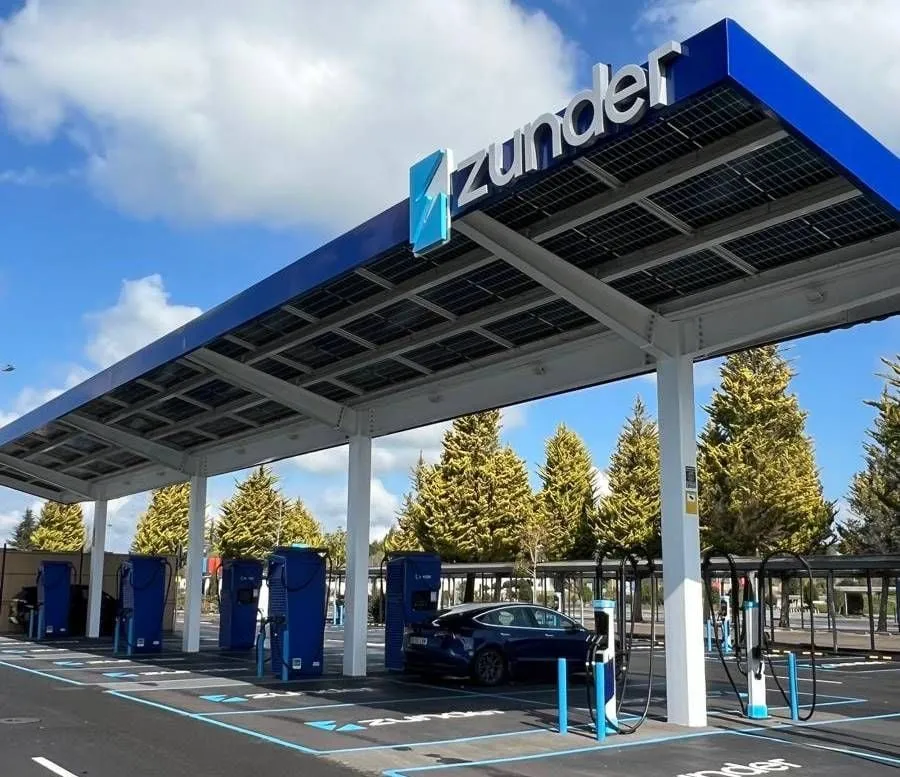
The performance of BYD and NIO highlights an important issue for markets like Spain’s. An increase in the number of electric cars does not mean that traveling during holidays has to become a problem, as long as infrastructure grows at the same pace and is prepared to handle peak demand. China’s scale is difficult to compare with Europe’s, but its data allow us to observe how different solutions function when hundreds of thousands of drivers are on the roads at once.
Rapid charging and battery swapping are two different strategies that aim at the same goal: reducing the time needed to continue a journey. BYD focuses on high-power charging stations that allow drivers to regain range during short stops, while NIO provides the option to replace the entire battery at specialized facilities. Each system has its advantages, costs, and limitations, but both show that the user experience depends as much on the car’s technology as on the services available on the road.
In Spain, the challenge lies in installing enough fast charging stations along major highways, ensuring they function properly, and preventing insufficient power when multiple vehicles use them simultaneously. It is also important to distribute the stations logically, as having many chargers in large cities does not necessarily meet the needs of those traveling between autonomous communities during peak traffic days.
The Chinese data do not show that queues never form or that all stations can handle any demand without waiting. In fact, record usage figures indicate that some locations are under considerable pressure. But they do provide a useful reference: a wide, well-distributed network with sufficient capacity can handle high volumes of electricity demand even during the busiest periods of the year.
The conclusion is simple. Electric cars are not incompatible with long-distance trips for vacations. To make travel comfortable, it’s necessary to anticipate peak demand, strengthen the most heavily used routes, and provide alternatives when a station is saturated. China is investing heavily in this area, and its results help explain why infrastructure must advance at the same pace as vehicle registrations.