
Lucid built 38% fewer cars in the quarter. It is now selling its inventory.
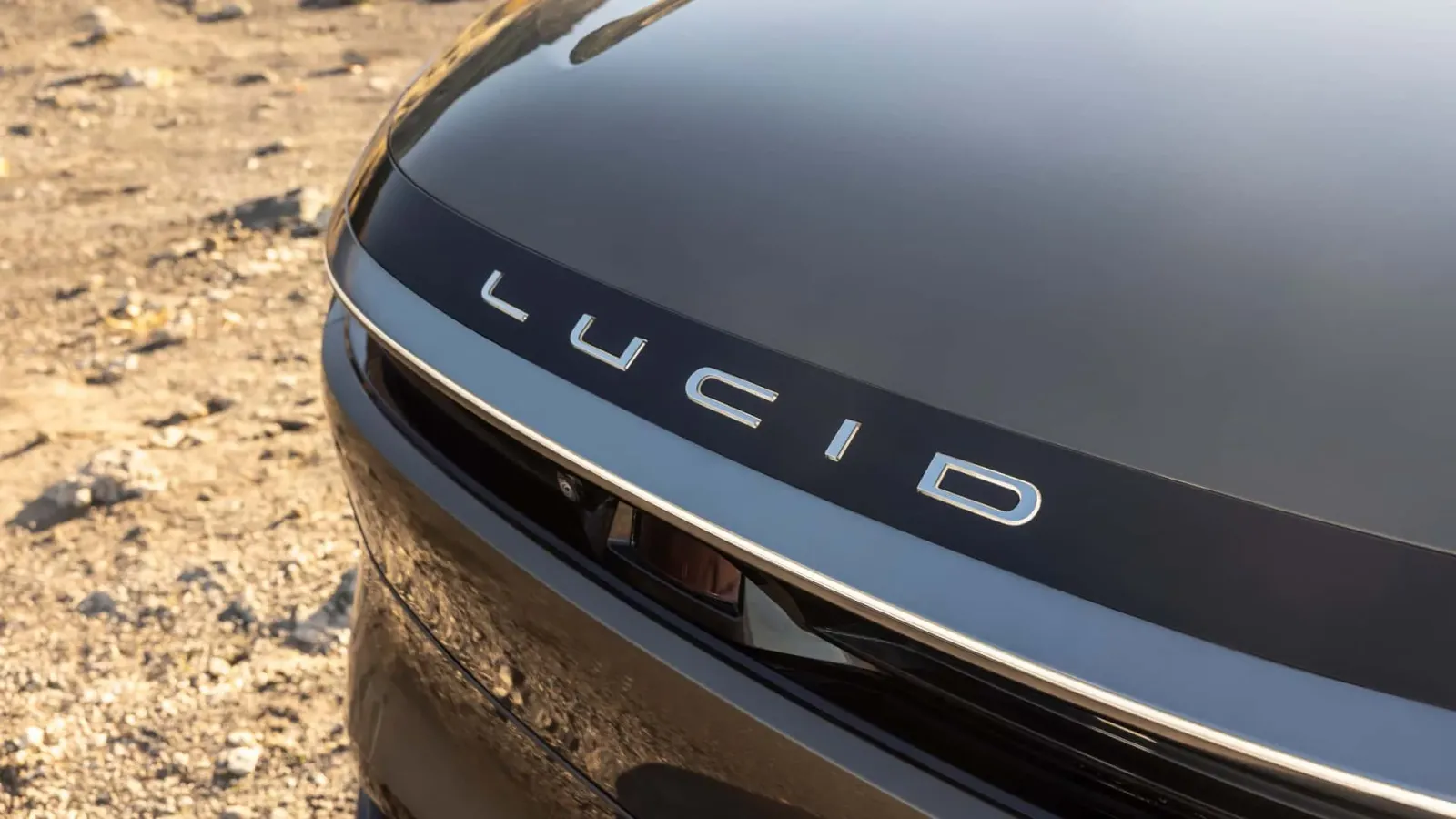
Lucid reported on October 5, 2026, that it delivered 3,806 vehicles in the third quarter and produced 2,954 units. Production dropped by 38% compared to the previous quarter, but this is not solely due to weaker demand. The company has reduced factory operations and is trying to clear the inventory accumulated in the first half of the year.
Lucid’s factory is now operating on one shift
Deliveries fell by 4% compared to the second quarter, when 3,953 vehicles were sent to customers. This is 6.7% lower than the third quarter of 2025, when Lucid delivered 4,078 cars.
The AMP-1 factory in Casa Grande, Arizona, saw a much sharper decline. Production dropped from 4,774 vehicles in the second quarter to 2,954 units in the third. This is the lowest result since the beginning of 2025.
A year-over-year comparison requires a caveat. Lucid reported 3,891 vehicles produced for the third quarter of 2025, but this figure does not include over 1,000 vehicles sent for final assembly in Saudi Arabia. Starting in 2026, the company counts all cars leaving its facility in Arizona. Under the current methodology, the decline is 24%, but after standardizing the calculation method, it approaches 40%.
The slowdown was planned. In June, Lucid shut down its second shift at Casa Grande and laid off 18% of its workforce. It also withdrew its earlier production target of 25,000–27,000 vehicles for the entire year of 2026. After nine months, it has produced 13,228 vehicles and delivered 10,852 of them.
Lucid spent too much money on cars in warehouses
In the first half of 2026, the manufacturer built 3,228 more cars than it delivered. A large portion of this gap occurred in the first quarter, when an issue with second-row seat components halted Gravity deliveries for 29 days, even though the factory continued to operate.
In the third quarter, the situation reversed. Lucid delivered 852 more cars than it produced. This allowed it to sell about one quarter of the surplus accumulated in the first half of the year.
As of the end of June, Lucid’s inventory was valued at $1.38 billion, up from $1.11 billion six months earlier. New CEO Silvio Napoli aims for inventory reductions to improve cash flow by $600 million to $800 million. The overall cost-saving plan for 2026 totals $1.4 billion. Approximately $500 million is expected to come from reduced investment spending, while around $200 million will come from cutting operational costs.
The manufacturer claims demand for the seven-seater Gravity is rising again, but it does not provide sales figures for individual models. As a result, it is impossible to determine how many of the 3,806 deliveries were SUVs and how many were Air sedans.
The scale of operations remains small. Rivian delivered 19,248 vehicles in the same quarter, which is more than five times that amount. Lucid also won’t see quick support from a cheaper model. The Cosmos crossover, expected to cost around $50,000 and compete with models like the Tesla Model Y, has been pushed to the second half of 2027.
Until then, the company must rely on sales of the Air and Gravity models while cutting expenses. Financial results scheduled for November 9 will show whether selling inventory has improved cash flow or merely reduced the number of vehicles sitting at the factory.
LovEV Newsletter
Want more content like this?
Sign up — we’ll send you a weekly roundup once the newsletter launches.
