
Europe’s major auto shows have lost local brands, and China is filling that gap.
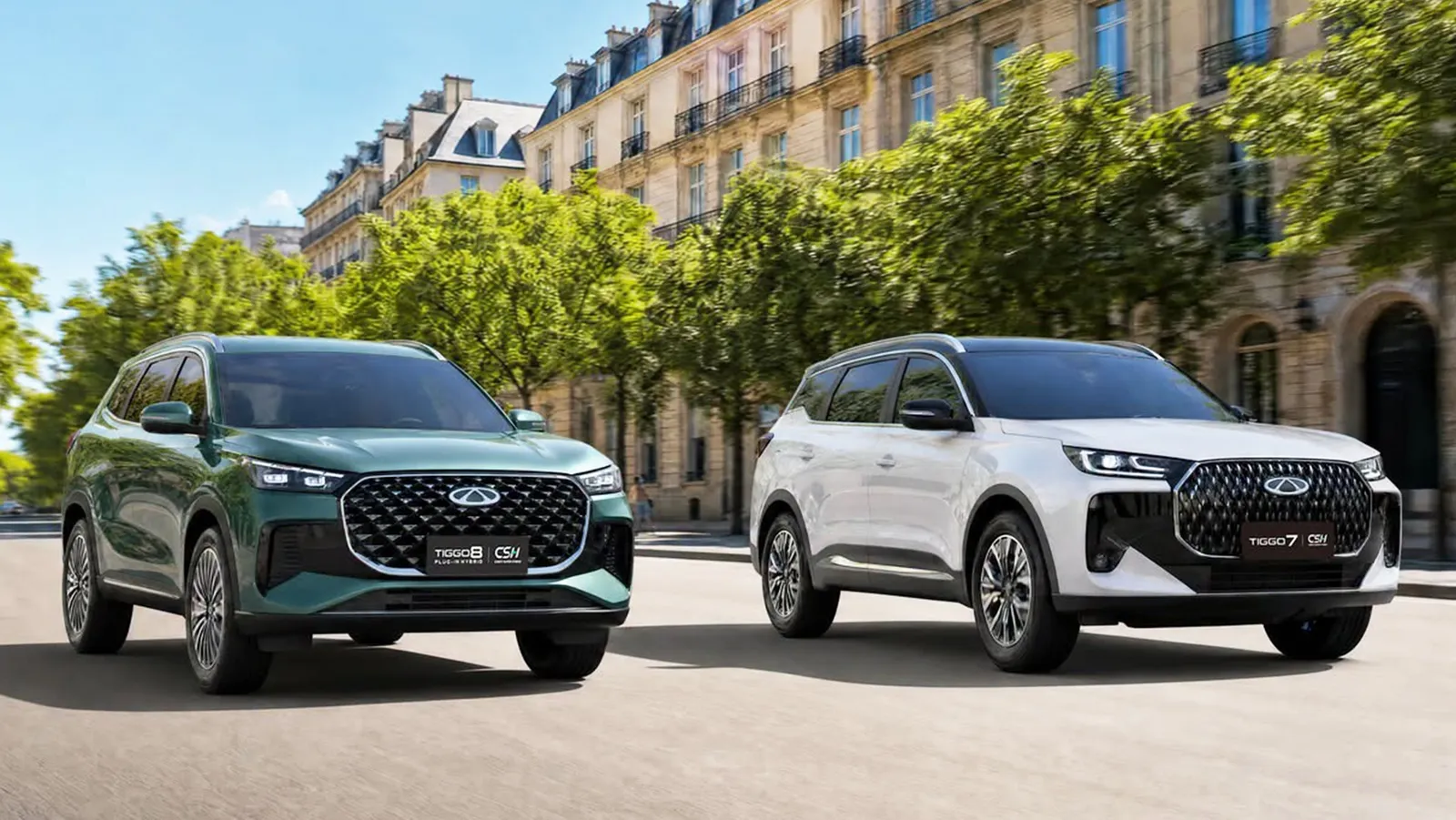
The major international auto shows had been losing momentum for years, but Chinese manufacturers are finding them to be a very useful tool for accelerating their global expansion. Around 20 Chinese brands will be present at the 2026 Paris Auto Show, held from October 12 to 18. While traditional manufacturers reduced their presence at such events over the years, companies like BYD, Changan, Chery, GAC, and Geely now use them to showcase products, gain visibility, and enter markets where they are still relatively unknown.
The paradox is particularly striking. For years, much of the Western industry questioned the sense of investing large sums of money in huge booths, presentations, and prototypes when the Internet allowed for organizing own launches and communicating directly with customers.
China is now viewing those same trade shows from a completely different perspective.
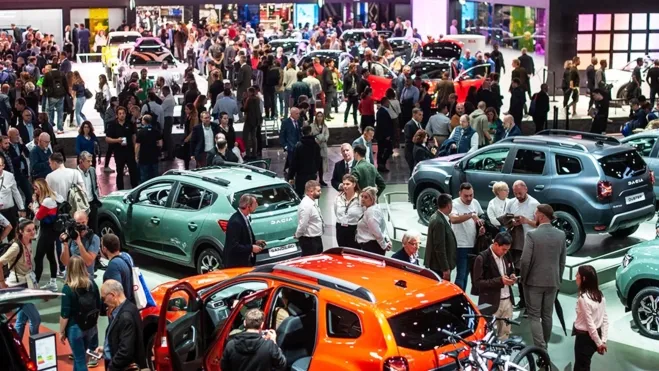
Paris fills up with new Chinese brands
The upcoming Mondial de l'Auto will provide an excellent opportunity to see this in action. Among the participants are manufacturers and brands such as BYD, Changan, Chery, Geely, AITO, GAC, Leapmotor, and Xpeng, along with various sub-brands of some major Chinese conglomerates. Around 20 Chinese brands are set to take part in Paris.
For some of them, it’s not just about displaying cars. It’s a chance to make their debut before thousands of European buyers, introduce lesser-known technologies, and build confidence around brands that just a few years ago had little presence outside China. The exhibition thus serves as a commercial tool.
What Europe stopped valuing may now be useful for China
This situation contrasts with the development of some major historical events. The Geneva Motor Show eventually disappeared after successive problems and a loss of support from manufacturers, while Detroit radically changed its format after years of declining participation.
The main reason was economic. A large international presence could cost millions of euros, so brands began to prefer independent shows, digital events, or more controlled initiatives.
But there is a significant difference: Volkswagen, Ford, or Renault do not need to explain who they are to a European buyer. Many Chinese brands still do.
For them, sharing space with established manufacturers can provide exactly the visibility they need to accelerate their entry into new markets.
Argentina shows how far this strategy can go
The trend doesn’t stop in Europe either. Argentina recently held its first major event specifically dedicated to Chinese manufacturers, featuring brands such as BYD, Geely, Chery, GWM, and Dongfeng.
Growth there has been particularly rapid: Chinese brands reportedly rose from around 2% of the market to nearly 10% in less than a year.
The Argentine government has also facilitated the entry of electric vehicles by allowing up to 50,000 electric and hybrid cars per year to enter duty-free, providing another entry point for Asian manufacturers.
Auto shows regain their purpose: conquering markets
This does not necessarily mean the golden age of major auto shows is returning, nor that all Western manufacturers will once again rely on them.
What is changing is their function. For established brands, they may become less essential. But for a manufacturer trying to enter France, Spain, Germany, or Latin America, bringing together journalists, distributors, buyers, and competitors in just a few days still holds immense value.
China seems to have understood this. And as its manufacturers accelerate their international expansion, the same showrooms that Europe began to consider part of the past could become one of the showcase venues for the new automotive industry.