
Electric cars are lasting longer than many expected and outperforming diesel and gasoline vehicles in terms of reliability.
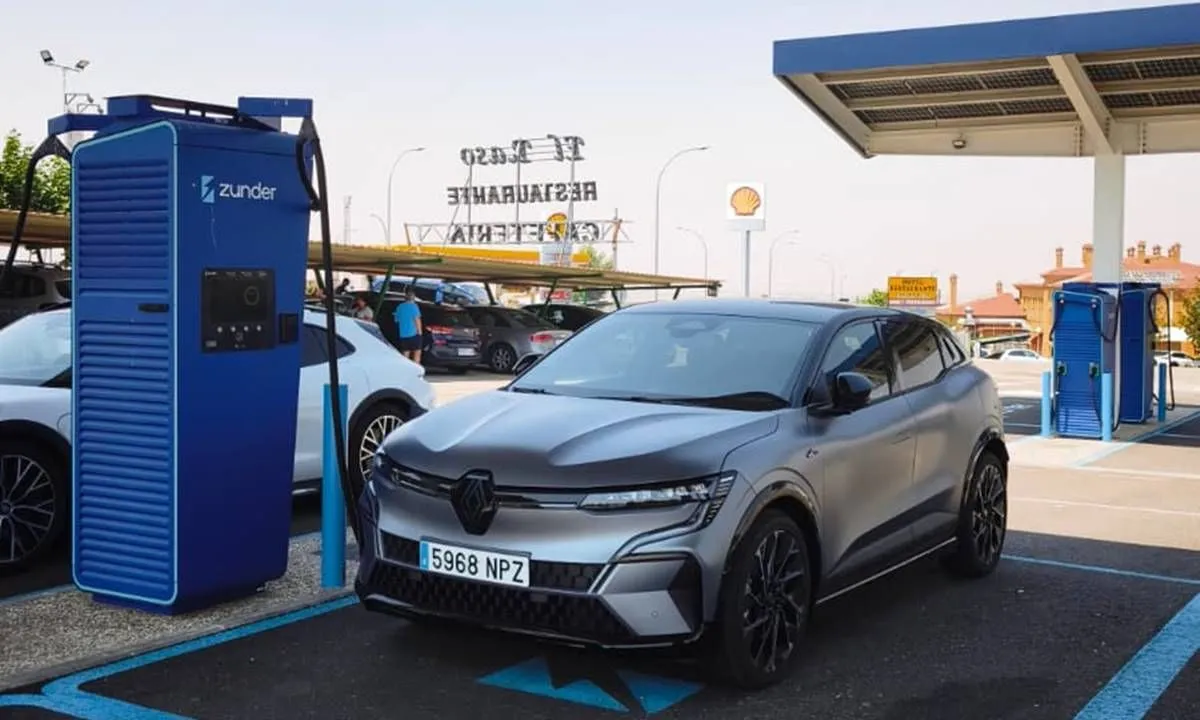
Reliability is one of the main concerns for those who are unfamiliar with the technology behind electric cars and are considering making the switch, especially in the used car market. Battery longevity, repair costs, and the aging of the propulsion system remain sources of worry for many drivers, but data collected from technical inspections show a reality that often differs from this perception.
A comprehensive analysis conducted in the UK, based on millions of technical inspections, has examined how cars age depending on their propulsion system. The results challenge the notion that electric vehicles lose reliability as they accumulate mileage, suggesting that over time they can perform better than gasoline or diesel models.
The turning point comes around 100,000 kilometers
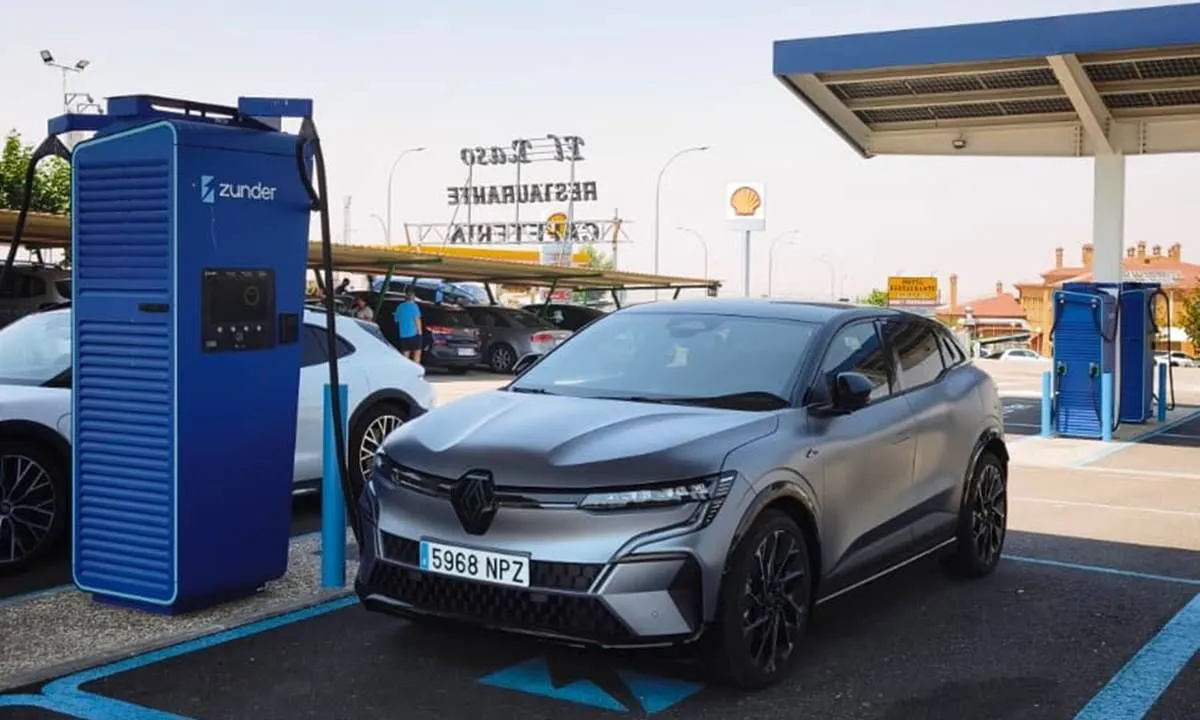
The study, conducted by the British Association of Rental and Leasing Car Companies (BVRLA), analyzes 47.4 million vehicle inspections carried out between 2024 and 2026, along with another 863 million historical records. This large sample size allows for an observation of how inspection results evolve as cars accumulate more miles and years of use.
Over the first 30,000 to 60,000 kilometers, the differences between electric cars and gasoline/diesel models are minimal. However, this situation changes as mileage increases. Around 100,000 kilometers, the failure rate for electric cars stabilizes at around 16%, whereas it reaches 22.1% in vehicles with internal combustion engines.
The gap widens even further in vehicles that have exceeded 190,000 kilometers. In this range, electric cars maintain a failure rate of around 16%, compared to 23.5% for models with internal combustion engines. These figures suggest that aging affects the two technologies differently, and the mechanical simplicity of electric propulsion could turn into an advantage in the long term.
The results are also striking when examining the age of vehicles. According to the study, 94.6% of electric cars that are at least 15 years old pass the technical inspection, compared to 88.1% of internal combustion engine models. This difference reinforces the idea that an electric car doesn’t necessarily become a less reliable option just because of its age.
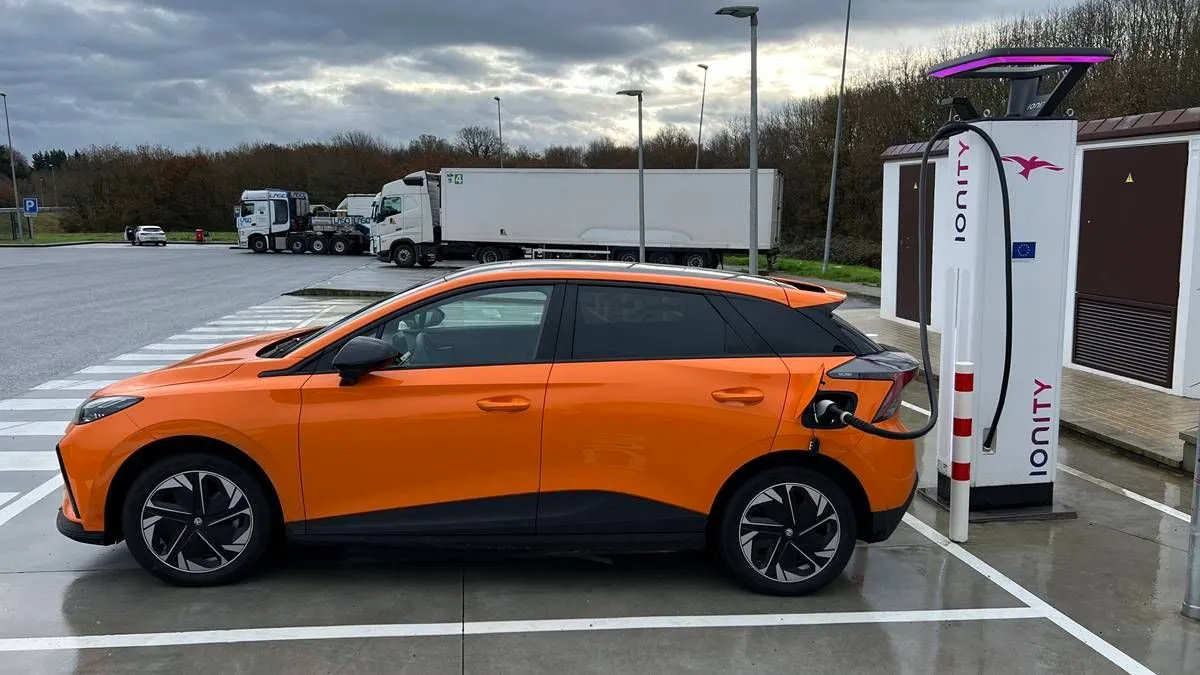
That doesn’t mean electric cars are free from problems. Tires are one of the main weaknesses identified by researchers: their average wear is estimated to be 1.8 times higher than that of vehicles with internal combustion engines. The greater weight of some electric models and the immediate delivery of torque can affect their durability, so it’s important to consider this cost factor when calculating operating expenses.
In the case of brakes, the performance depends on mileage. Electric cars show worse performance over shorter distances, while their performance improves compared to combustion engine models as they accumulate more miles. Regenerative braking, which allows energy recovery during deceleration, reduces the use of conventional brakes and can help limit their wear. However, driving style and maintenance still play an important role.
Researchers also note that electric cars can average more kilometers per charge in the UK, partly because they are frequently used in corporate fleets and rental companies. This factor must be taken into account when interpreting the results, as professional use can affect both mileage and vehicle maintenance conditions.
The battery remains important when buying a used electric car
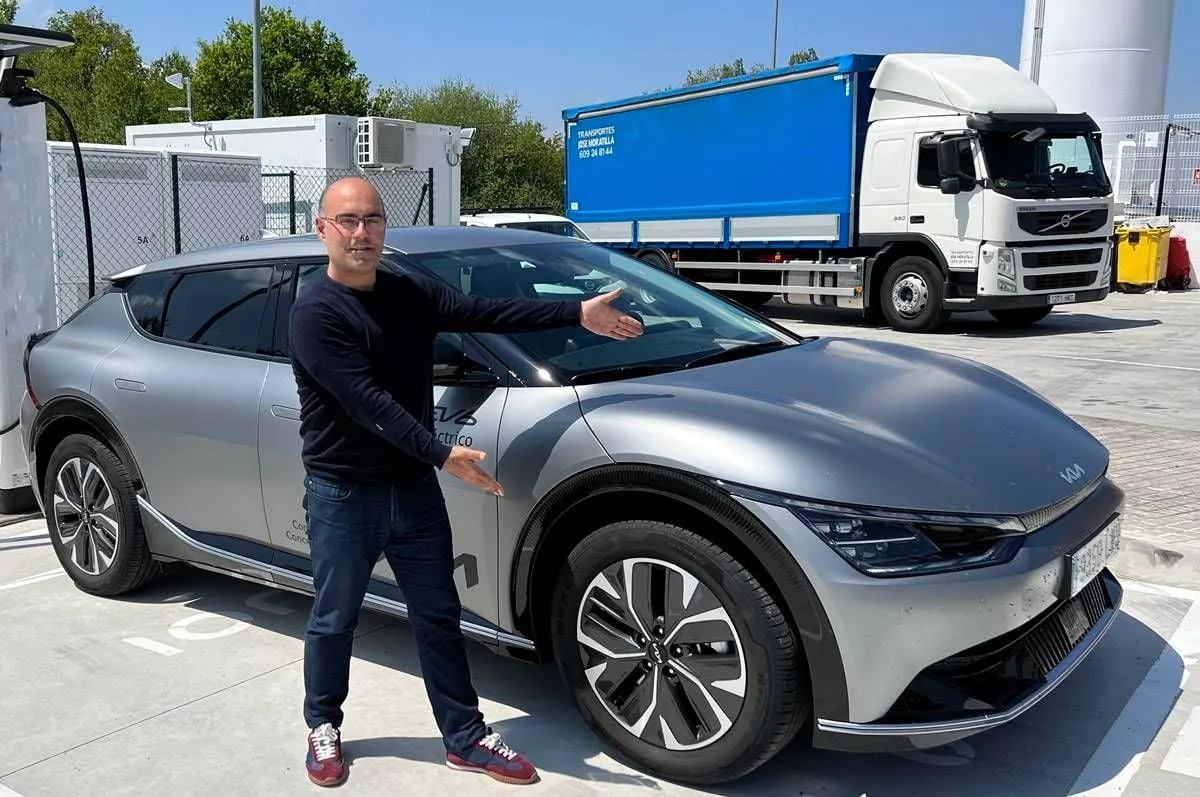
Toby Poston, a representative of BVRLA, warns that these data should not be interpreted as a guarantee that any used electric car will be in good condition. Maintenance history, battery status, tire wear, and the overall condition of the vehicle remain crucial factors before making a purchase.
In particular, it is advisable to check the battery’s usable capacity and its performance over time in a used electric car. It is also worth examining the charging system, the operation of the climate control, any potential damage to the undercarriage, and the condition of the suspension components. A model with high mileage but well-maintained can be a more attractive purchase than one with lower mileage and an unclear maintenance history.
What is clear is that the battery in an electric car won’t fail after five years, nor will it need to be replaced or thrown away. On the contrary, they are much more resilient due to basic reasons such as having far simpler mechanics that are less prone to breakdowns. And their key component, the battery, can always be repaired or replaced in the distant future.