
Chinese electric cars cost 10,000 euros less to manufacture than European ones: tariffs are not enough
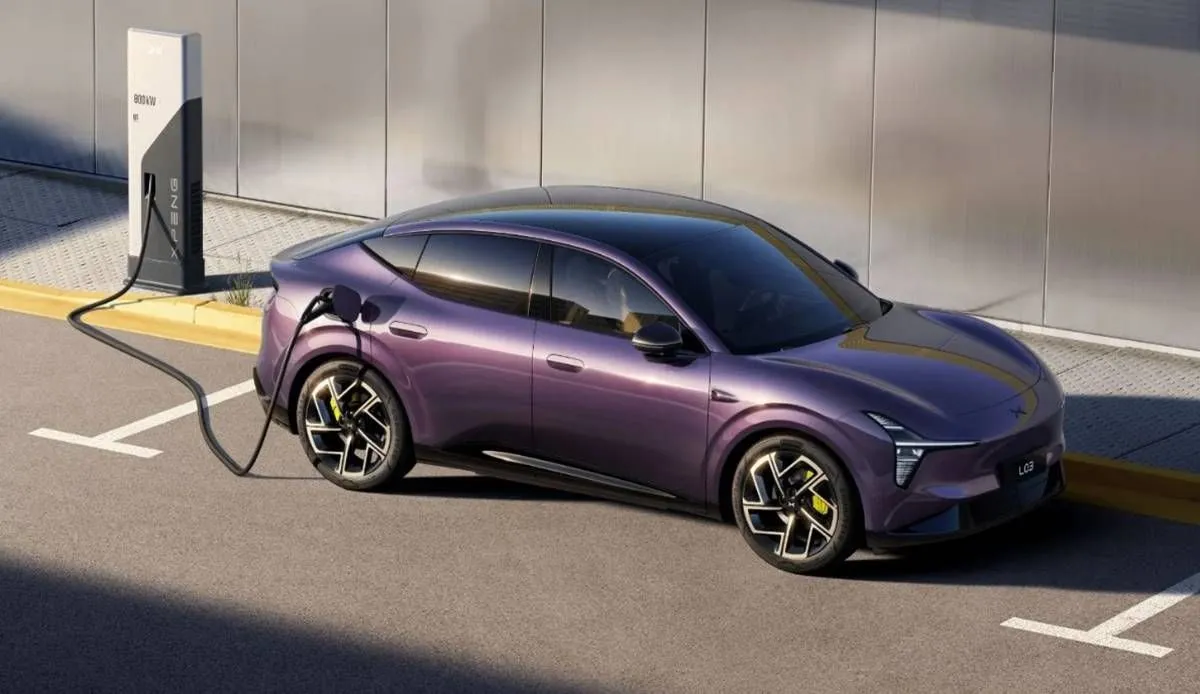
European manufacturers have been hesitating for years in their attempt to make the shift to electric cars, trying to stretch out internal combustion engines as long as possible, but Chinese competition is changing the rules of the game at a much faster pace than they expected. The differences now extend beyond selling prices or the technology offered by newer models, affecting production costs and brands’ ability to update their product lines directly.
The situation is particularly concerning for an industry that needs to invest billions of euros in new platforms, batteries, and electronic systems, while also facing increasing pressure on its profit margins. The problem is that Chinese manufacturers have an industrial advantage that is difficult to overcome, even if Europe maintains tariffs on electric cars imported from China.
According to an analysis by consulting firm AlixPartners, Chinese manufacturers can produce an electric car for about $11,000 (9,800 euros) less than their European rivals. The report also warns that Western brands have lost ground in the European market in very little time, while Chinese manufacturers continue to expand their presence with more advanced models and much more competitive prices.
The pressure is evident in the profitability of European companies. Their earnings before interest, taxes, depreciation, and amortization (EBITDA) margins dropped from 13.2% in 2021 to 6.9% in 2025, according to AlixPartners data. With less margin available to fund new investments, companies face a difficult situation: they need to spend more to compete but have fewer resources to do so.
The report indicates that Chinese brands have captured 10% of European sales volume that was previously held by Western manufacturers. This progress has also changed buyers’ expectations, as they now find cars with more technology at more competitive prices, putting additional pressure on traditional brands.
Chinese manufacturers develop cars in half the time
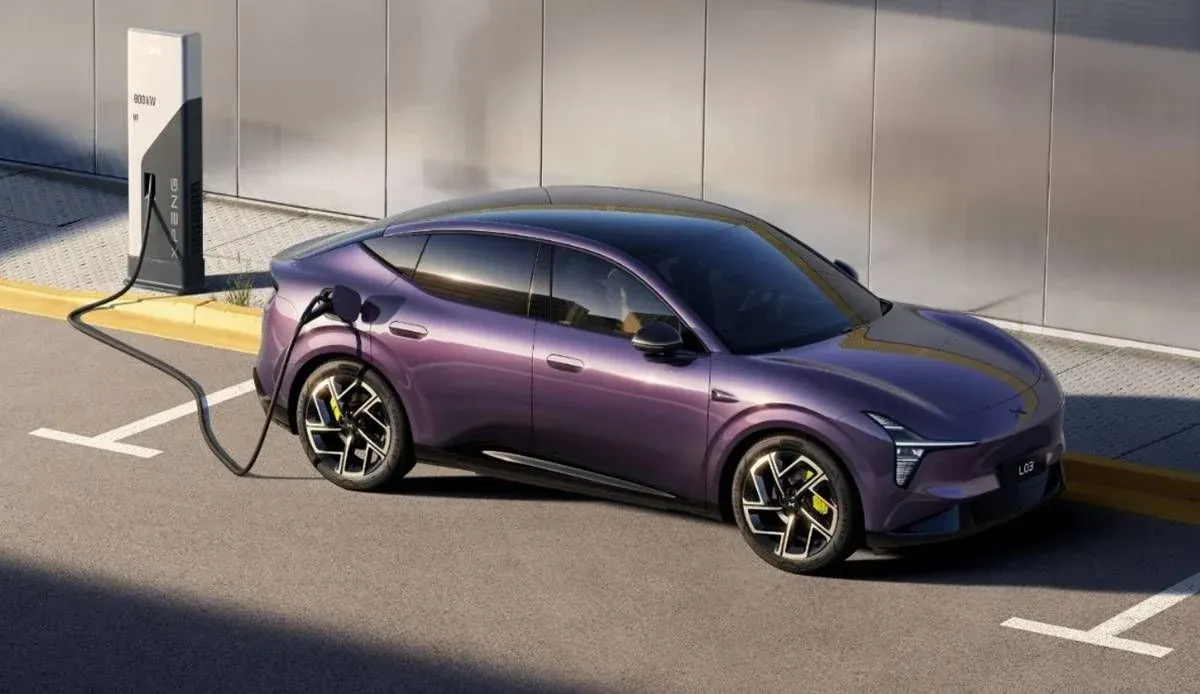
The effect is also evident in the sales composition. According to AlixPartners’ analysis, models launched over the previous three years account for less than a third of European manufacturers’ sales. In contrast, for Chinese groups, vehicles introduced during the same period make up between 76% and 100% of deliveries. This means Asian brands compete with a much newer range, while their European rivals still rely more heavily on models that have been on the market for longer.
To reduce this gap, the consultancy believes European manufacturers should adopt two-year development cycles, leveraging artificial intelligence to cut costs and speed up the launch of new products. It also calls for more technological agreements and industrial transformation to enable them to compete without relying solely on tariffs.
Another option is to utilize the existing industrial capacity in Europe. AlixPartners estimates that 15 automobile assembly plants are operating at less than 60% of their capacity, leaving room to produce around 2.5 million additional vehicles per year. These facilities could present an opportunity for Chinese manufacturers interested in manufacturing locally and gaining a foothold in the European market.
The consultancy also points out the need to consolidate facilities, close some factories, or adapt others for new uses. This is coupled with reducing industrial energy costs and greater regulatory stability regarding electric vehicles. For Alexandre Marian, head of AlixPartners’ automotive and industrial practice in France, Europe still possesses outstanding engineering capabilities, but it must adapt to a competitively dynamic landscape that has changed significantly.
Andrew Bergbaum, the firm’s global head of automotive and industrial services, warns that European brands do not have much time to act while still in a strong financial position. The consultancy argues that a gradual response will no longer be sufficient, and manufacturers must accelerate restructuring, strengthen their suppliers, and move forward with technological partnerships.
Asian dependence also affects batteries
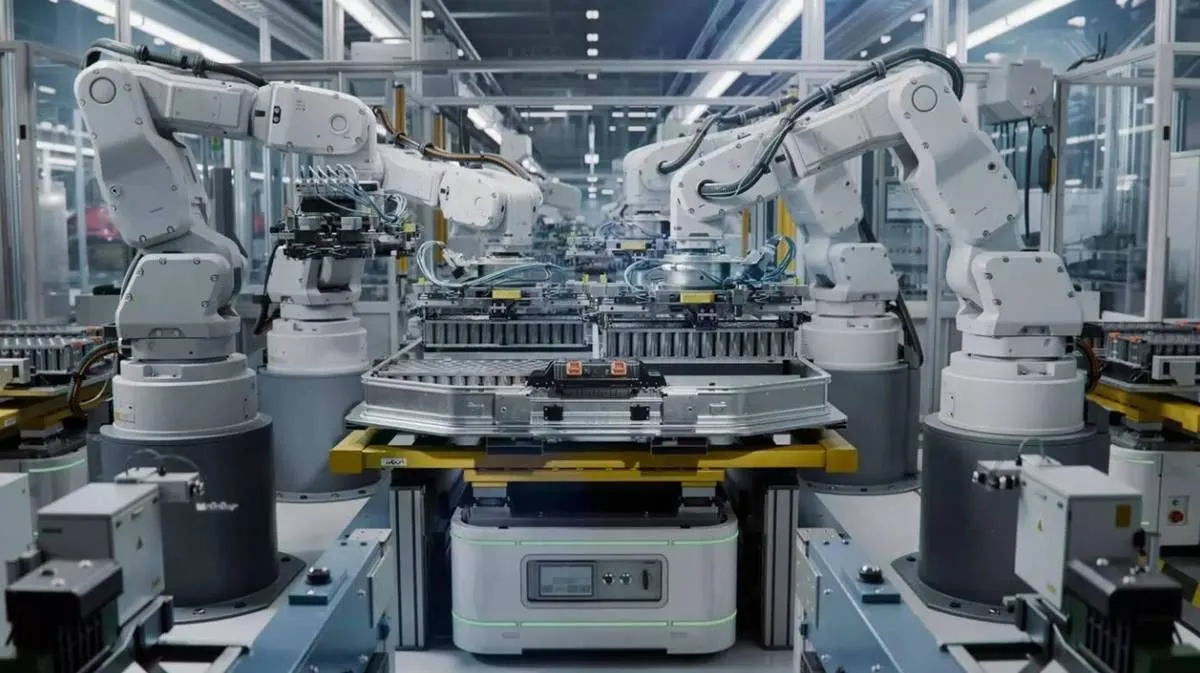
The problem doesn’t end with car assembly. Europe also needs to reduce its reliance on Asia for battery supply chains, a crucial factor for competing on price with Chinese manufacturers. Building new battery factories in European territory alone doesn’t guarantee a competitive industry if the processed raw materials and necessary components still mainly come from other markets.
AlixPartners estimates that around 80% of the capacity for refining cathode materials and producing batteries with adequate quality is located outside Europe. This dependence limits European manufacturers’ ability to control costs and ensure a supply of essential components for their electric vehicles.
The consultancy believes that European industrial incentives are not addressing the problem fast enough or at the necessary scale. Therefore, the challenge lies not only in manufacturing more batteries within European borders but also in developing a supply chain that can compete on costs and reduce reliance on external suppliers.
In this scenario, tariffs may increase the cost of cars imported from China, but they do not eliminate differences in productivity, development speed, and industrial costs. Brands like Leapmotor, which sells models such as the T03 in Europe at a starting price of less than 20,000 euros, illustrate the pressure this new generation of manufacturers is exerting on more affordable segments.
Europe therefore faces an industrial challenge that goes far beyond trade barriers. To regain competitiveness, its manufacturers will need to reduce development times, improve plant efficiency, and strengthen the battery supply chain. Without such changes, tariffs alone will hardly be able to offset the cost advantages that its Chinese rivals have built up.