
Tesla’s autonomous cars (robotaxis) do not work at night, and Elon Musk himself is to blame for this.
07/10/2026 14:30
Updated to
07/10/2026 14:30
Tesla is changing its business model. The world’s leading electric car manufacturer has been aiming to transform into a technology company with autonomous vehicles as its core product over the past 15 years. Tesla has been working toward this goal for years, but problems have plagued the company. Safety issues and risky decisions may have put the company’s present and future at risk.
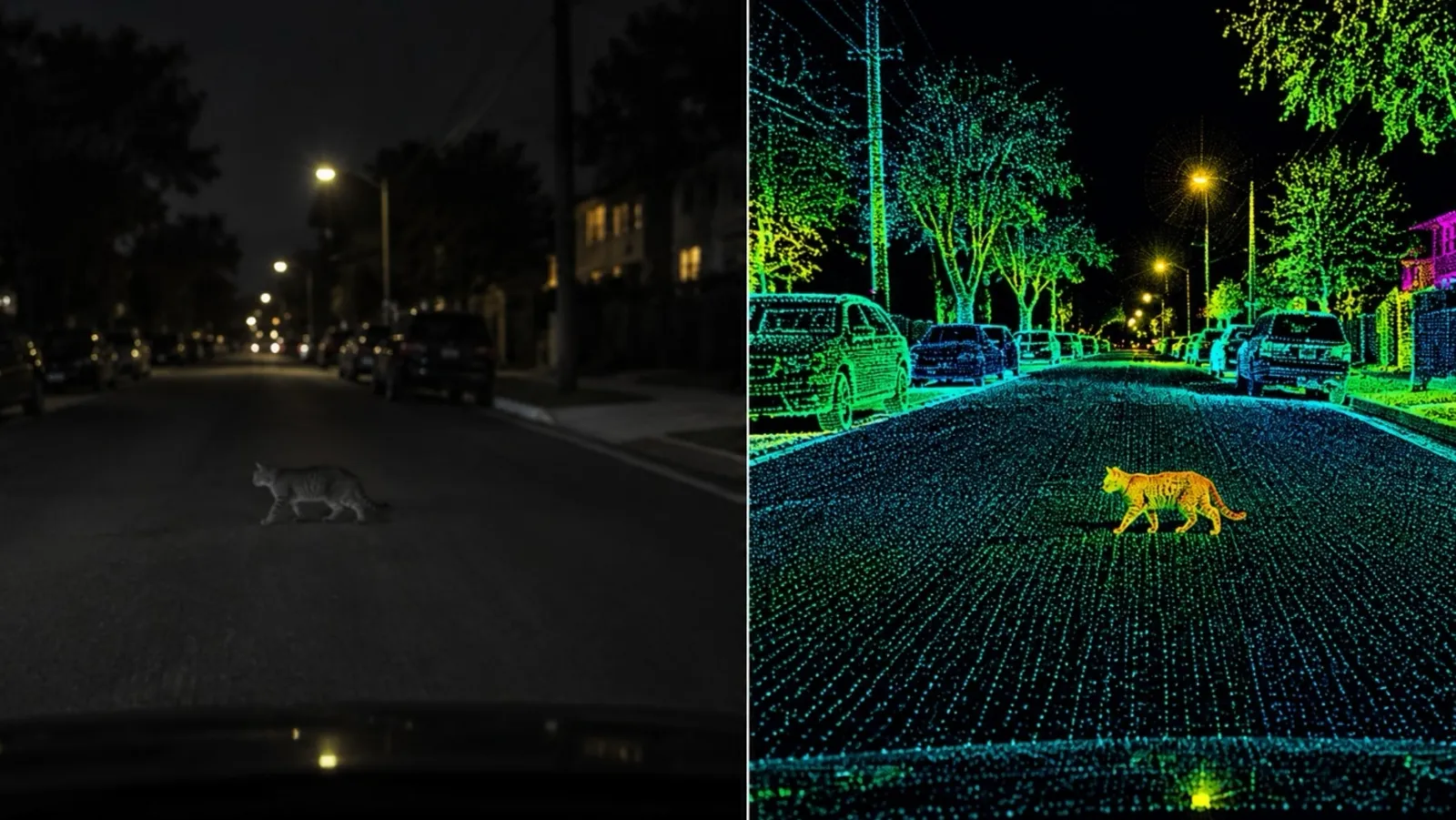
As more autonomous Teslas circulate on the streets of the United States, numerous problems and incidents have been recorded. Elon Musk himself has acknowledged that the main issue hindering night-time robotaxi services is that the cars struggle to see pets in darkness. He used the example of “gray kittens on gray asphalt.” It’s a problem of detection in low light with little contrast, a classic weakness of cameras — exactly what the technologies that Musk has been calling “crutches” and “a fool’s task” are designed to solve.
An hour longer, but less than on the first day
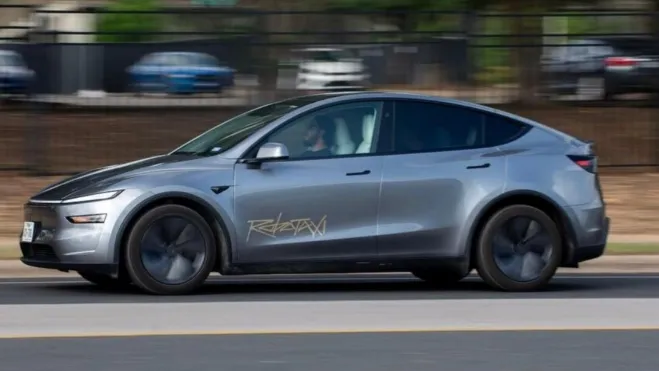
On Friday night, the robotaxi account announced that the service in Austin is available until 11:00 PM, rather than 10:00 PM as before. Musk shared the announcement and added, "The main thing we’re trying to solve is avoiding hitting pets when they’re hard to see at night."
When Tesla launched the robotaxi in Austin in June 2025, the app accepted trips from 6 AM to midnight. Fifteen months later, the service ends an hour earlier than on its first day. Additionally, it remains small: it has barely grown since launch, even with the arrival of the Cybercab last month.
Why a camera falls short at night
A camera is a passive sensor: it operates using light reflected off an object and distinguishes it based on how much it stands out against the background. A gray animal on gray asphalt at night provides very little of either. In addition to animals, Tesla’s robotaxis might struggle to recognize other small, dark objects in poorly lit environments.
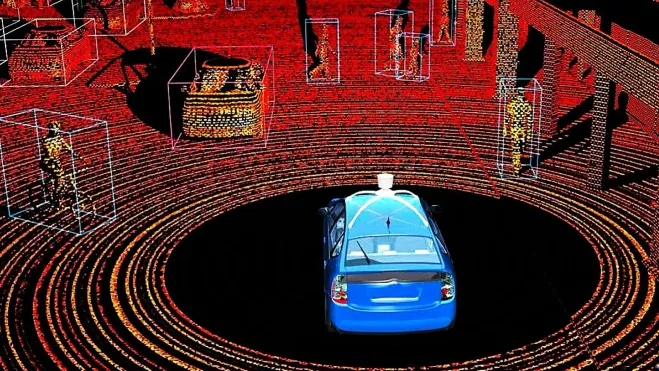
LiDAR is an active sensor: it emits its own laser pulses and measures how long it takes for them to return, thereby determining the distance and three-dimensional shape of what’s on the road. It works just as well at midnight as at noon and doesn’t require the object to be a different color from the asphalt, only that it stands out from the road surface. Radar does something similar using radio waves and also provides speed information. It is less effective with very small objects but still functions in fog, dust, and glare that blinds cameras.
Waymo uses all three sensors; Tesla, only cameras
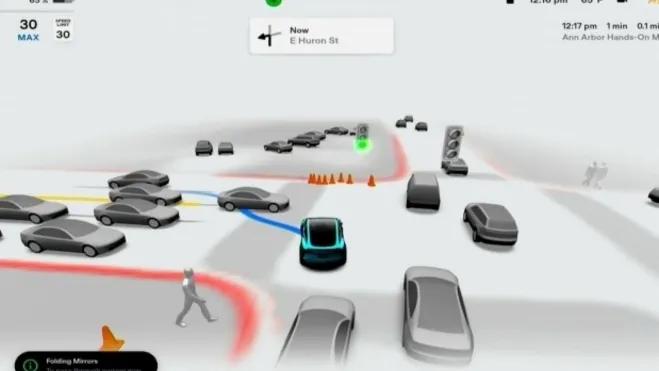
All companies operating driverless vehicles at scale use all three types of sensors. Waymo’s sixth-generation system features 13 cameras, 4 LiDAR units, and 6 radars, with its approximately 4,000 driverless vehicles operating around the clock. Tesla took a different approach: it removed radars from its cars in May 2021, abandoned ultrasonic sensors in 2022, and has never sold a car equipped with LiDAR.
Musk’s history with LiDAR and night vision
In April 2019, Musk said LiDAR was a “fool’s task” and that those who relied on it were “doomed.” In February 2022, he called it a “seductive local maximum.” By August 2025, he even claimed that LiDAR and radar reduced safety due to “sensor redundancy.” This year in May, he posted a photon-counting reconstruction image and wrote that this is why Tesla’s FSD performs so well at night.
Musk was already aware of the challenges: when Tesla removed radar in 2021, he told people in direct messages that high-resolution radar vision would be better than pure vision. Additionally, the NHTSA is investigating 3.2 million Teslas for FSD-related accidents in low-visibility conditions and has requested an internal document titled “Radar Saves Us.”
